
Watering
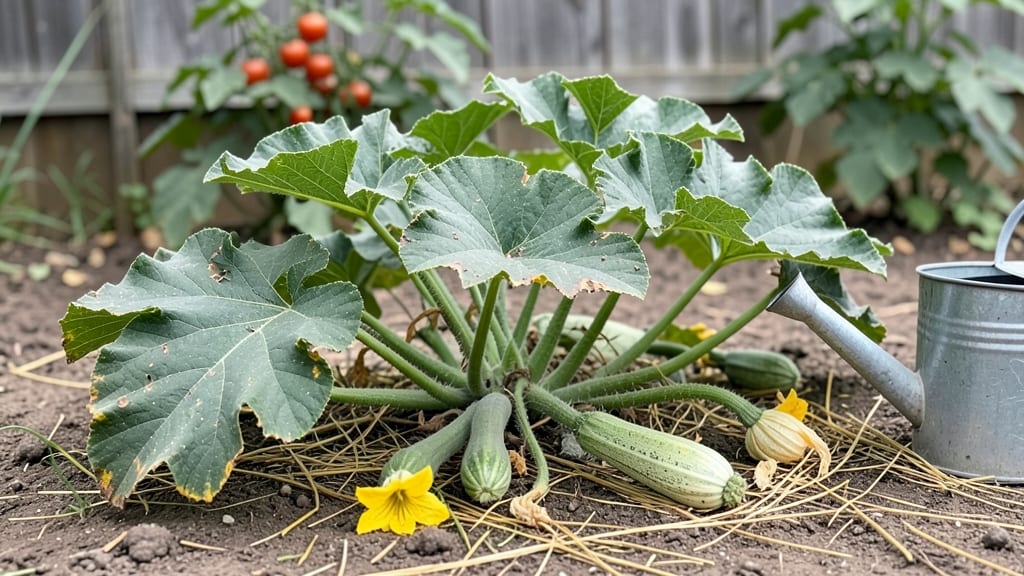
My squash plants wilted within hours of planting—until I learned the exact watering schedule that keeps vines bushy and fruit heavy. 🌱 The key isn't just how much you water, but when, how deep, and how consistent you stay.
Summer squash and winter varieties have different needs, and getting this wrong means bitter fruit or cracked rinds.
Start with 1-1.5 inches of water per week, delivered directly to the soil at the base of plants—not overhead. Drip irrigation or soaker hoses work best, keeping leaves dry to prevent mildew.
Mulch with straw or shredded leaves to lock in moisture and keep roots cool. Hand-watering? Do it early in the morning so foliage dries by afternoon.
You'll know you're doing it right when vines spread aggressively and flowers stay bright yellow. Too little water? Flowers drop off. Too much? Roots rot and fruit splits. Adjust based on your climate—hot, dry summers need daily checks, while cooler zones can stretch to every other day once established.
This schedule works for zucchini, butternut, and pumpkins alike, whether you're growing in raised beds or straight in the ground. Master this, and you'll harvest more fruit with fewer struggles—no more sad, wilted plants at the end of summer.
📚 In This Guide
- What you need
- Instructions
- Tips and common mistakes
- Wrapping up and next steps
What you need
- ● Water source: Hose with adjustable nozzle (or watering can for precision) – recommended: ½-inch or larger diameter for efficient flow
- ● Watering schedule tracker: Notebook, calendar app, or stakes with a whiteboard to log watering dates/times
- ● Mulch: Organic mulch (straw, grass clippings, or shredded leaves) – 2-3 inches thick to retain moisture
- ○ Soaker hose or drip irrigation (optional but ideal): ¼-inch tubing or pre-made kits for slow, deep watering
- ● Garden gloves: Durable pair to protect hands while working with soil and plants
- ○ pH testing kit (optional but helpful): To check soil pH (ideal range: 6.0–6.8 for squash)
- ● Well-draining soil (amend with compost if needed)
- ● Full sun exposure (6–8 hours daily)
- ● Healthy, established squash plants (transplanted or direct-sown seedlings)
- ● Access to clean, chlorine-free water (let tap water sit for 24 hours if chlorinated)
Instructions for watering squash plants like a pro
Here's the foolproof method I use to keep squash vines thriving and producing heavy fruit all season.
💧 Step 1: Water Deeply at Planting Time
When you first plant your squash, give it a thorough soaking—about 1 gallon of water per plant—to settle the soil and encourage root growth. This initial drink helps the roots spread out quickly, which is crucial since squash plants develop deep root systems. Water slowly at the base so it soaks into the soil rather than running off the surface.
After watering, let the top inch of soil dry out slightly before watering again. This prevents waterlogged soil, which can lead to rot. You'll know you've done it right when the soil feels damp but not soggy when you check with your finger.
💧 Step 2: Establish a Consistent Watering Routine
Once your squash plants start growing, aim to water them 1-2 inches per week, depending on your climate. In hot, dry weather, you may need to water every 2-3 days, while cooler or rainy conditions might only require watering every 5-7 days. The key is to keep the soil consistently moist but not waterlogged.
Water in the morning whenever possible. This gives the plants time to absorb moisture before the heat of the day, reducing the risk of fungal diseases. You'll see healthy, bushy vines when the plants have enough water—leaves will stay firm and green, not wilted or yellowing.
💧 Step 3: Focus on Deep, Infrequent Watering
Squash plants thrive with deep watering rather than frequent shallow waterings. Aim to water until the soil is moist 6-8 inches deep. This encourages roots to grow deeper, making the plants more resilient and better able to handle dry spells. Use a long-handled watering wand or soaker hose to reach the roots without disturbing the soil.
Watch for signs of underwatering, like wilting leaves or blossom-end rot on the fruit. If you see these, it's a sign to increase your watering frequency slightly. Overwatering, on the other hand, can cause the leaves to yellow or the soil to smell sour—both signs you need to cut back.
✂️ Step 4: Adjust for Fruit Development
As your squash plants start producing fruit, they'll need even more water to support their heavy loads. Increase watering to 1.5-2 inches per week during peak fruiting season. This helps prevent the fruit from becoming tough or developing cracks. Water at the base of the plant, avoiding the leaves to reduce the risk of mildew.
You'll know your watering is on point when the vines are strong and the fruit grows steadily. If the fruit starts to shrivel or the vines wilt, it's time to give them a good drink. Keep an eye on the soil moisture—it should feel like a damp sponge, not a soggy mess.
🌿 Step 5: Mulch to Retain Moisture
Apply a 2-3 inch layer of organic mulch around your squash plants to help retain moisture and keep the soil cool. This reduces the frequency of watering needed and protects the soil from drying out too quickly. Use straw or shredded leaves, keeping the mulch a few inches away from the plant stems to prevent rot.
Check the mulch regularly to ensure it hasn’t compacted or become waterlogged. If it does, fluff it up to maintain its effectiveness. With mulch in place, your squash plants will stay hydrated longer, and you’ll spend less time watering—just keep an eye on the soil moisture to make sure it’s just right.
Tips & tricks for perfect squash plant watering
A few simple adjustments can transform your squash game from struggling vines to a prolific harvest. Here's what I've learned after years of trial and error in my own garden.
Soil Test is Key: Before you even plant, test your soil moisture by sticking your finger about 2 inches down. If it feels dry, that's your baseline for how often you'll need to water. In Step 1, when you give that initial 1 gallon soaking, dig down to 6 inches afterward—you should feel dampness all the way down. This tells you if your soil drains properly or if you're risking rot from poor drainage.
Morning Watering Secret: I've found that watering at dawn (between 6-8 AM) gives the plants their best chance to absorb moisture before the heat of the day. In Step 2, when you're aiming for that 1-2 inches per week, split the watering into two morning sessions rather than one big watering. This mimics natural rainfall patterns and prevents fungal growth that comes from wet leaves all day.
Visual Cues Over Guesswork: Pay attention to the plant's natural signals rather than just following the schedule. In Step 3, when you're checking for wilting leaves or blossom-end rot, also look at the first few true leaves (not the seed leaves). If they start curling slightly at the edges by mid-afternoon, that's your cue to water that evening rather than waiting for the next morning. It's your plant's way of telling you it's thirsty!
Mulch Maintenance: That 2-3 inch layer of mulch in Step 5 isn't a set-it-and-forget-it solution. After about 3 weeks, check your mulch—it should still look fluffy and allow water to penetrate. If it's compacted or forms a crust, fluff it up with a rake or your hands. I've seen gardens where mulch actually blocked water from reaching the roots because it was too thick or packed down. Think of it like a sponge that needs occasional squeezing to work properly.
Pro Tips for Watering Squash Plants
- A few simple adjustments can transform your squash game from struggling vines to a prolific harvest.
- Soil Test is Key: Before you even plant, test your soil moisture by sticking your finger about 2 inches down.
- Morning Watering Secret: I've found that watering at dawn (between 6-8 AM) gives the plants their best chance to absorb moisture before the heat of the day.
Frequently asked questions
Got questions about keeping your squash plants thriving with the perfect watering routine?
You’re not alone! Here are answers to the most common concerns—plus a few pro tips to avoid soggy leaves or cracked fruit.
How often should I water squash plants?
Water squash plants deeply 1–2 times per week, ensuring the soil stays moist (but not waterlogged) about 2–3 inches down. Adjust based on heat—during summer, they may need daily watering, especially in containers or sandy soil. Morning watering is ideal to prevent fungal diseases.
What’s the best time of day to water squash?
Water in the early morning (6–9 AM) to let excess moisture evaporate before evening. Avoid late-day watering, as wet foliage can attract pests like squash vine borers or promote mildew. If you must water in the evening, use a soaker hose to target roots directly.
Why do my squash leaves look wilted even when I water them?
Wilted leaves often signal overwatering or root stress. Check for:
- Yellowing leaves = too much water or poor drainage.
- Crispy edges = underwatering or heat stress.
- Mushy stems = fungal rot (reduce watering and improve airflow).
Can I use rainwater or tap water for squash plants?
Both work, but rainwater is ideal—it’s naturally soft and free of chlorine/fluoride. If using tap water, let it sit out for 24 hours to dissipate chemicals. Hard water (high in minerals) can cause leaf tip burn over time. For containers, use filtered or distilled water if your tap water is heavily treated.
How do I fix blossom-end rot on my squash?
Blossom-end rot (black, sunken spots on fruit) usually means calcium deficiency or inconsistent watering. Fix it by:
- Watering consistently (never letting soil dry out completely).
- Adding crushed eggshells or calcium-rich fertilizer (like gypsum).
- Avoiding heavy feeding with high-nitrogen fertilizers (focus on potassium/phosphorus).
What’s the difference between watering bush and vining squash?
Both need deep watering, but vining varieties (like zucchini or pumpkins) require more frequent checks—up to 3 times per week in heatwaves—since their sprawling vines can’t access moisture efficiently. Bush types (e.g., pattypan) have shallower roots and tolerate slight drying between waterings better.
Wrapping up and next steps
Mastering the art of watering squash plants is your ticket to a thriving garden filled with juicy, bountiful fruit!
By following a consistent schedule—deep watering 1-2 inches per week, adjusting for heat and soil type, and avoiding wetting the leaves—you’ll set your vines up for success. Don’t let perfect conditions intimidate you; even small adjustments make a big difference.
Now that you’re armed with the know-how, grab your watering can and give those squash plants the love they deserve! 🌱 Ready for the next step? Check out our guide on pruning squash vines to maximize your harvest even further.