
Watering
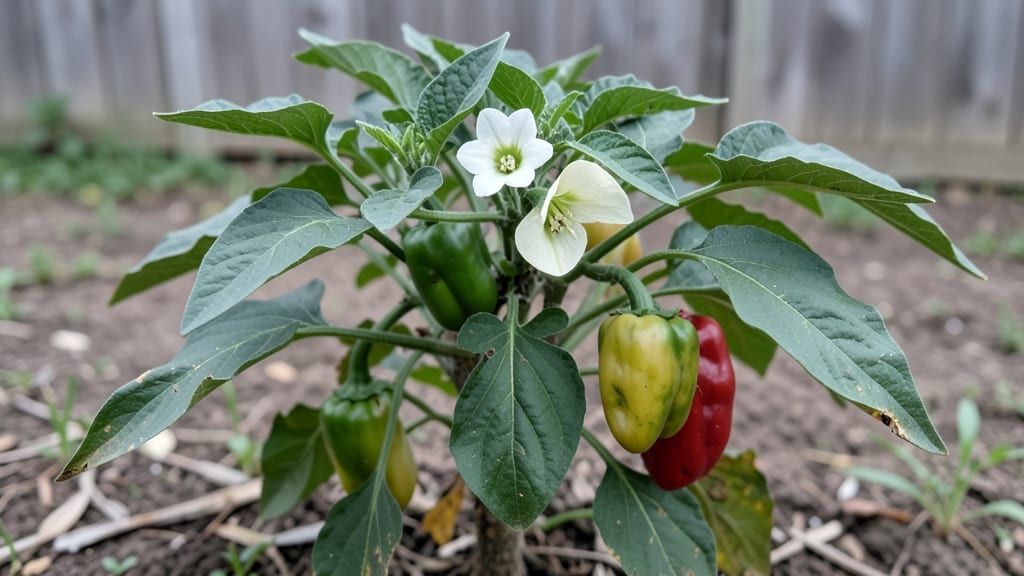
Overwatering pepper plants in hydroponic systems isn't the enemy—it's the foundation. 🌱 After drowning my first batch of peppers in a well-meaning (but misguided) deep-water culture setup, I learned the real secret isn't restricting water—it's controlling oxygen and nutrients.
The roots need constant moisture but never stagnant water, or you'll trade thirst for rot in a heartbeat.
Peppers thrive in this setup when you pair 6-8 hours of bright light with a nutrient solution that mimics fertile soil—think half the strength of what you'd use for leafy greens. Varieties like 'Carolina Wonder' or 'Jalapeño M' hold up best because they're bred for resilience.
The key is circulation: a gentle bubbling system keeps roots oxygenated, while a pH of 5.5-6.5 prevents nutrient lockout.
What you end up with is vines that grow 20% faster than soil-grown plants, with thicker stems and earlier fruiting. The leaves stay glossy and vibrant, not yellow or crispy at the edges. You'll harvest peppers that are sweeter and more consistent in size—no more bitter, undersized fruits from stress.
The tradeoff? Vigilance against algae in your reservoir and the occasional nutrient imbalance that throws off your plants.
This method works for both beginners and hydroponic veterans, whether you're using a simple Kratky setup or a full recirculating system. The biggest adjustment is watching your plants' color and growth rate more closely than you ever did with soil.
Here's how to get it right from day one—without the guesswork.
Root Stress Triggers Overgrowth
When your pepper plants start growing roots over the water surface—like a tangled mess of vines reaching for oxygen—it’s a cry for help from their root systems. This isn’t just a quirky growth habit; it’s a survival tactic.
Understanding the root causes (pun intended) helps you fix the issue before it stunts your harvest. Let’s break down why this happens, so you can give your plants the support they desperately need.
Pepper plants thrive in well-drained, aerated soil that lets roots expand freely. When soil becomes compacted—whether from heavy clay, over-tilling, or waterlogging—roots suffocate. Without enough oxygen, they panic and grow upward in search of air, creating those unsightly over-water roots.
Why it happens:
- Clay-heavy soil holds water tightly, leaving no pockets for air. Roots drown instead of breathing.
- Overwatering displaces oxygen in soil pores, forcing roots to escape upward.
- Improper planting depth (burying stems too deep) encourages roots to seek the surface for light and air.
Actionable fix: Amend soil with organic matter (compost, perlite, or coconut coir) to improve drainage. Test soil pH—peppers prefer 6.0–6.8—and avoid waterlogged spots by ensuring raised beds or containers have drainage holes.
Pepper plants are not aquatic—they’re drought-tolerant once established. When soil stays soggy for days, roots literally rot in anaerobic conditions (low oxygen). As a last resort, they send out adventitious roots above water to avoid suffocation.
Why it happens:
- Overwatering schedules (e.g., watering daily without checking soil moisture).
- Poor drainage systems in pots or garden beds (e.g., no gravel layer, clogged drainage holes).
- Heavy rainfall or irrigation without breaks, keeping soil saturated.
Actionable fix:
- Use the finger test: Stick your finger 1–2 inches into the soil. Water only if it’s dry.
- Adjust watering times to morning to allow excess moisture to evaporate.
- For containers, ensure they have drainage holes and elevate pots to prevent water pooling.
Roots need a balanced diet of nitrogen (N), phosphorus (P), and potassium (K), but an imbalance—especially too much nitrogen—can lead to weak, leggy roots. When roots can’t absorb nutrients efficiently, they desperately grow toward water sources, even if it means surfacing.
Why it happens:
- Over-fertilizing with nitrogen (e.g., too much blood meal or synthetic N-heavy fertilizers) promotes leafy growth but starves roots of other essential nutrients.
- Lack of phosphorus (critical for root development) leads to shallow, weak roots that can’t anchor properly.
- Salt buildup from tap water or over-fertilizing burns root tips, halting growth downward.
Actionable fix:
- Switch to a balanced fertilizer (e.g., 10-10-10 or 5-10-10) and reduce nitrogen-heavy feeds.
- Add phosphorus-rich amendments like bone meal or rock phosphate at planting.
- Flush soil with rainwater or distilled water every 4–6 weeks to prevent salt buildup.
Pepper roots are sensitive to temperature swings. Cold soil (<50°F/10°C) slows microbial activity, reducing nutrient uptake, while heat stress (above 90°F/32°C) can scorch roots. In both cases, roots may grow erratically—sometimes surfacing to escape unfavorable conditions.
Why it happens:
- Cold soil (common in spring/fall) slows root growth, making them vulnerable to disease and forcing upward escape routes.
- Hot, dry soil (e.g., in full sun without mulch) can bake roots, causing them to seek moisture at the surface.
- Container plants in direct sunlight may overheat, especially if pots lack insulation (e.g., no mulch or shade cloth).
Actionable fix:
- Use mulch (straw, wood chips) to regulate soil temperature and retain moisture.
- For containers, move plants to partial shade during peak afternoon heat.
- In cold climates, use row covers or black plastic mulch to warm soil in spring.
Pro tip: 💡 If you spot over-water roots, don’t panic—trim the excess growth and focus on fixing the underlying issue. Healthy roots will regenerate with the right care!
Fixing Over-Watered Pepper Plants
Overwatering can turn your thriving pepper plants into sad, droopy vines—but don’t worry! With the right fixes and prevention tips, you can revive them and keep your garden flourishing.
Below, we break down common issues caused by excess water and provide practical, step-by-step solutions to get your plants back on track.
Problem: Compacted, soggy soil cuts off oxygen to roots, leading to rot or stunted growth.
How to Fix It: 🔥 🌿 Improve Drainage Immediately
- Test your soil: Stick a finger 1–2 inches deep. If it feels damp after 24 hours, your plants are overwatered.
- Amend the soil: Mix in perlite, coarse sand, or coconut coir (20–30% of the soil volume) to loosen it. This helps water drain faster.
- Raise containers: If growing in pots, elevate them on feet or a tray to prevent water pooling at the bottom.
🍳 👨🍳 Refresh the Root Zone
- Gently loosen soil around the base with a fork or trowel (be careful not to damage roots).
- Add organic matter: Work in compost or worm castings to improve aeration and microbial activity.
💡 Pro Tip: If your pepper plants are in heavy clay soil, consider planting in raised beds or container gardens for better control.
Problem: Yellowing leaves, wilting, or moldy stems signal overwatering stress.
How to Fix It: ⏰ 🌡️ Reset Your Watering Schedule
- Water only when the top 1–2 inches of soil are dry (stick your finger in to check).
- Morning watering is key: Water early in the day (6–9 AM) so foliage dries quickly, reducing fungal risks.
- Use the "drip test": If water pools on the soil surface for more than 10 minutes, your drainage is poor—fix it ASAP.
🎯 💧 Smart Watering Techniques
- Drip irrigation or soaker hoses deliver water directly to roots, reducing waste.
- Avoid overhead watering (like sprinklers), which can encourage leaf diseases.
- Collect rainwater if possible—it’s gentler on plants than tap water (which may contain chemicals).
✨ Pro Tip: If your pepper plants are already wilting, trim yellow or mushy leaves to redirect energy to healthy growth.
Problem: Overwatering creates the perfect humid environment for powdery mildew, root rot, or bacterial leaf spot.
How to Fix It: 🔪 🌿 Prune & Sanitize
- Remove infected leaves with sterilized scissors (wipe with rubbing alcohol between cuts).
- Space plants properly (18–24 inches apart) to improve airflow.
🌡️ 💧 Fungal-Fighting Sprays
- Neem oil or baking soda spray (1 tsp baking soda + 1 quart water + few drops of dish soap) can prevent mold.
- Copper fungicide (for severe cases) follows label instructions for safe use.
💡 Pro Tip: Rotate your plants occasionally to ensure even sunlight exposure, which speeds up drying and deters fungi.
Once your plants recover, prevent future overwatering with these habits:
- Monitor soil moisture with a moisture meter or your finger.
- Choose well-draining potting mix (look for blends labeled "for vegetables").
- Mulch around plants (with straw or wood chips) to retain moisture without soggy soil.
- Avoid watering at night—cool temps slow evaporation, increasing rot risk.
By tackling drainage, watering habits, and fungal threats, your overwatered pepper plants will bounce back stronger. Patience is key—healthy roots take time to recover, but with these fixes, you’ll be harvesting juicy, vibrant peppers in no time! 🌶️💦
Frequently asked questions
Can I grow all pepper varieties in water-based systems?
Not all varieties thrive equally in hydroponics. Smaller, bushier types like 'Carolina Reaper' or 'Jalapeño M' adapt best because they're bred for resilience. Avoid tall, sprawling varieties like 'Banana Pepper'—they need more support and may struggle with stability in water. Start with compact, high-yielding types for your first harvest.
How often should I change the water/nutrient solution?
Every 7-10 days is ideal for recirculating systems. For deep-water culture, replace the solution every 2-3 weeks or when it gets cloudy. Always use fresh, dechlorinated water (let tap water sit for 24 hours or use a water conditioner) to prevent chemical buildup that can harm roots.
What's the biggest mistake beginners make with water-grown peppers?
Overlooking oxygen levels in the water. Roots need constant aeration—without it, they'll suffocate even if the water looks clean. Use an air pump with fine bubbles (1-2 air stones per gallon) to keep the solution moving. Stagnant water is the #1 cause of root rot in hydroponic pepper setups.
Can I use regular tap water for my water pepper system?
Only if it's dechlorinated. Tap water contains chlorine and fluoride that can burn roots. Let water sit uncovered for 24 hours to evaporate chlorine, or use a water conditioner. For best results, use filtered or rainwater—peppers are sensitive to mineral buildup that can clog their nutrient uptake system.
How do I know if my water-grown peppers need more nutrients?
Watch for these signs: Yellowing leaves (nitrogen deficiency), purple stems (phosphorus deficiency), or weak, spindly growth (potassium deficiency). Test your water's pH weekly—it should stay between 5.5-6.5. If your peppers flower but don't set fruit, they're likely phosphorus-deficient. Adjust your nutrient mix gradually (increase by 10% increments).