
Pruning
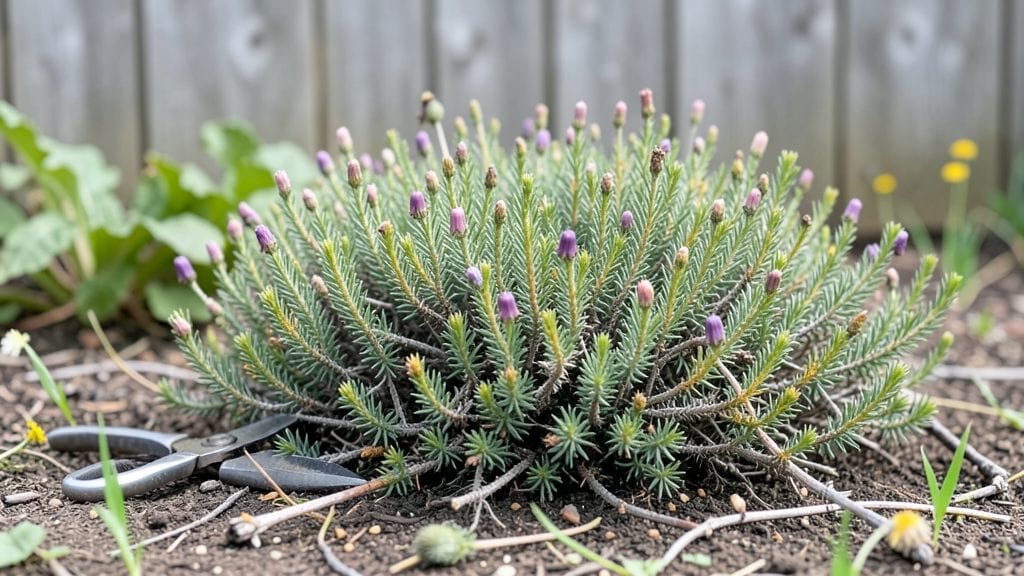
Pruning heather plants keeps them looking neat and productive—but timing matters more than you’d think. ✨ I’ve learned the hard way that cutting at the wrong season can strip away next year’s blooms or leave your plant looking ragged.
The secret lies in three strategic trims: one after flowering, one in late winter, and a light tidy-up in summer.
You’ll need sharp bypass pruners and a clear plan for your heather type—spring-flowering varieties need different care than autumn bloomers. Most people overlook the late-winter trim, which is actually the most important for shaping and encouraging fresh growth.
This is where I see gardeners make their biggest mistakes, often leaving plants with uneven tops or dead wood.
After pruning, your heather should look fuller and more compact, with new shoots emerging within weeks. The key is never cutting into old wood—always leave at least a quarter-inch of green growth.
For spring-flowering types, wait until right after the blooms fade, while autumn varieties get their trim in early spring before new buds form.
Works for both evergreen and deciduous heathers, and the same principles apply whether you’ve got a small border plant or a sprawling hedge. Once you get the rhythm, it becomes second nature—and your heather will thank you with years of vibrant blooms.
📚 In This Guide
- What you need
- Instructions
- Tips and common mistakes
- Wrapping up and next steps
What you need
- ● Pruning shears: A sharp, bypass-style pair (avoid anvil shears—they crush stems). Choose 5-inch blades for precision.
- ● Hand pruners: For smaller branches or tight spaces (look for ergonomic grips to reduce hand fatigue).
- ● Gloves: Wear garden gloves (nitrile-coated for grip) to protect against thorns and sap.
- ○ Disinfectant (optional but recommended): 70% isopropyl alcohol or a gardening disinfectant spray to sterilize tools between cuts (prevents disease spread).
- ● Trimming tray or bucket: A 5-gallon bucket or tray to collect clippings and debris.
- ● Ladder or stool (if needed): For tall heather plants (ensure it’s stable and non-slip).
- ● Loppers: For thicker stems (if your heather has woody growth).
- ● Hedge shears: If shaping a formal hedge (choose aluminum or stainless steel for durability).
- ● Plant food: A balanced fertilizer (10-10-10) to nourish your heather post-prune.
- ● Mulch: Pine needles or bark to retain moisture and protect roots after trimming.
- ● Camera or sketchbook: To document your heather’s shape before/after for future reference!
How to prune heather plants for year-round health
Pruning heather isn’t just about shaping—it’s about reviving growth and preventing woody stems. Here’s my seasonal approach to keep your plants lush and blooming.
✂️ Step 1: Early Spring Pruning (March-April)
Start by removing any dead or damaged stems at the base with clean, sharp pruners. I always work on a dry, sunny morning when stems are easier to see. Cut just above a healthy leaf node—this ensures new growth emerges from the right spot.
Next, trim back any leggy growth by about one-third of its length. You’ll know you’ve done it right when the plant looks fuller and more compact. Avoid cutting into old wood, which won’t regrow. If your heather is spring-flowering, wait until after blooms fade before pruning.
✂️ Step 2: Post-Bloom Summer Pruning (June-July)
For summer-flowering varieties, prune right after blooms finish. Cut back the flowered stems by half their length to encourage a fresh flush of growth. I like to shape the plant lightly at this stage—just enough to maintain its natural form without over-pruning.
Watch for new shoots emerging from the base. These are your plant’s signal that it’s ready for another round of growth. If you see any stems turning woody or bare, trim them back completely. This keeps the plant vigorous and prevents it from becoming overgrown.
✂️ Step 3: Light Autumn Pruning (September-October)
In late summer or early autumn, give your heather a final trim to tidy up and prepare for winter. Remove any dead or crossing branches, then lightly shape the plant to maintain its form. I avoid heavy pruning now—just enough to keep it neat without stressing the plant before dormancy.
If your heather has developed a thick, woody base, this is the time to thin it out. Cut back the oldest stems at the base, but leave younger growth intact. This encourages fresh growth from the center and keeps the plant looking full. Avoid pruning too late in the season—stop by mid-October to allow time for new growth to harden off.
🌿 Step 4: Winter Maintenance (Occasional)
Winter is mostly about observation. If you notice any frost-damaged stems after a hard freeze, trim them back in early spring. I also check for any dead or broken branches that might have been missed earlier and remove them promptly.
Heather is naturally hardy, but a little TLC in winter ensures it’s ready to burst into growth in spring. Avoid pruning in winter unless absolutely necessary—your plant is resting, and heavy cuts can stress it unnecessarily.
Tips & tricks for perfect heather plant pruning
Here's what I learned after years of perfecting my heather care—these tricks keep your plants thriving season after season.
Tool Selection Matters: Never use dull pruners—they crush stems instead of making clean cuts. Invest in a good pair of bypass pruners for stems up to pencil thickness, and anvil pruners for thicker branches. I always clean my tools with rubbing alcohol between plants to prevent spreading disease. Sharp tools mean less damage to your heather's delicate stems and cleaner cuts that heal faster.
Seasonal Timing is Critical: The March-April window for early spring pruning is non-negotiable for spring-flowering varieties. If you prune too early, you risk damaging new growth that hasn't hardened off yet. For summer-flowering types, wait until you see the first signs of spent blooms—usually when about 70% of flowers have faded. This timing ensures you're cutting back at the perfect moment for new growth to emerge.
Visual Cues for Pruning Depth: When trimming leggy growth by one-third in spring, imagine dividing the stem into three equal sections. The top third is what you remove. For summer pruning, cutting back by half means removing everything above the middle point of the stem. These visual cues help maintain the plant's natural shape while encouraging bushier growth from the base.
Winter Observation Skills: Learn to distinguish between frost damage and natural winter dormancy. Frost-damaged stems will appear blackened or mushy, while dormant stems remain firm and brown. I always wait until early spring to trim frost damage—cutting too early can expose tender new growth to late frosts. This patience pays off with healthier plants come summer.
Pro Tips for Heather Plant Pruning
- Here's what I learned after years of perfecting my heather care—these tricks keep your plants thriving season after season.
- Tool Selection Matters: Never use dull pruners—they crush stems instead of making clean cuts.
- Seasonal Timing is Critical: The March-April window for early spring pruning is non-negotiable for spring-flowering varieties.
Frequently asked questions
Got questions about keeping your heather plants lush and thriving? Here are answers to the most common concerns—from timing to troubleshooting—so you can prune with confidence!
When is the best time to prune heather plants?
Prune heather plants in early spring (March–April) for flowering varieties, or late spring/early summer (May–June) for non-flowering types. Avoid pruning in fall or winter—this can damage tender new growth. Always prune after flowering if you want blooms the next year!
Do I need to prune heather plants every year?
Yes! Regular pruning (1–2 times yearly) keeps heathers compact, healthy, and bushy. Skipping pruning can lead to woody, leggy growth or reduced flowering. Even a light trim in late summer can encourage fresh foliage for winter color.
What if I accidentally prune too much?
Don’t panic! If you’ve over-pruned, your heather may look sparse or bare at first. It’ll bounce back with new growth in 4–6 weeks. For severe cuts, fertilize lightly with acidic plant food and keep soil moist until recovery. Avoid pruning more than 1/3 of the plant in one session.
Can I prune heather plants in winter?
Only in mild climates (USDA Zones 7+)—and only if necessary (e.g., removing dead wood). In colder zones, winter pruning stresses the plant. If you must, wait until after the last frost and avoid heavy cuts. Focus on shaping, not rejuvenation.
What’s the best way to prune heather for more flowers?
- Time it right: Prune right after flowering (late spring/early summer) to encourage next year’s blooms.
- Shape wisely: Trim just above a leaf node (not bare stems) to promote branching.
- Feed lightly: Use acidic fertilizer (like 10-10-10) after pruning to support growth.
Wrapping up and next steps
Pruning your heather plant isn’t just about keeping it tidy—it’s the secret to vibrant blooms, lush growth, and long-term health! 🌿 With just three seasonal trims—spring, summer, and late fall—you’ll encourage fuller foliage and stunning flowers year after year.
Remember, patience and precision are key, but the effort pays off in a thriving, picturesque shrub.
Ready to give your heather the TLC it deserves? Grab your pruners and schedule your next trim—your plant (and your garden!) will thank you. 🌸