
Watering
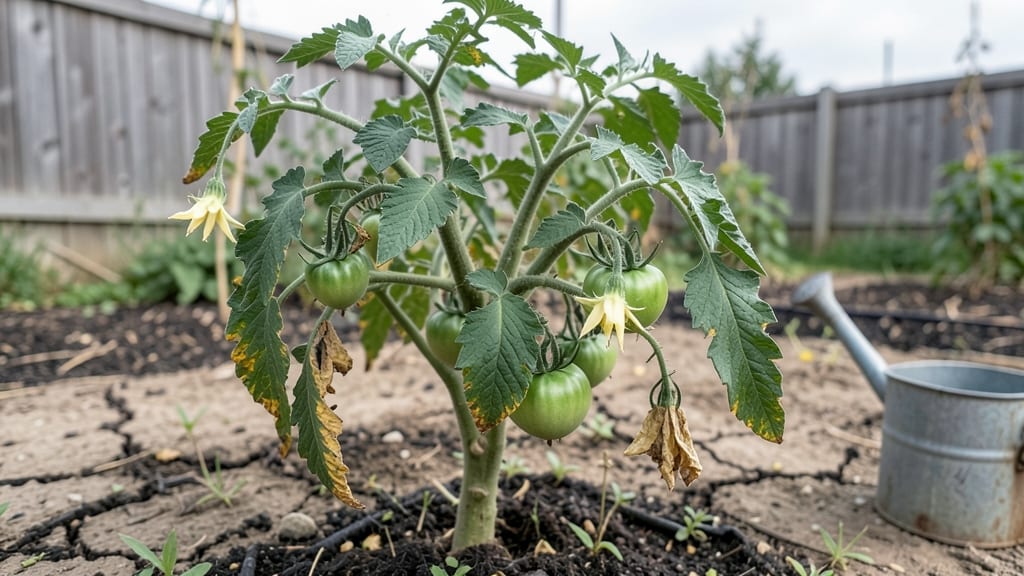
My underwatered tomato plant taught me the hard way that wilting leaves aren’t always about water—sometimes it’s about how you water. 🌱 The crispy edges and drooping vines I saw last summer weren’t just thirst; they were a cry for deeper, smarter hydration.
What saved my plants wasn’t just dumping more water but learning when, how much, and why their roots were begging for help.
First, you’ll need to check the soil—2-3 inches deep—before watering. If it’s bone-dry, that’s your clue to water deeply until moisture reaches 6 inches down. Most gardeners make the mistake of light sprinkles, which only drown the surface roots.
I switched to slow, deep watering twice a week (adjust for heat) and saw new growth within 48 hours. The key? Consistency over guesswork.
Long-term, you’ll want to mulch around the base to lock in moisture and keep roots cool. A 2-inch layer of straw or shredded leaves cuts evaporation by half, so you’ll water less often.
My plants now stay perky even in 90°F heat, and the fruit tastes sweeter too—proof that fixing the roots fixes everything above ground. Here’s how to turn that limp plant into a thriving vine.
The best part? These fixes work for container tomatoes too, just scale the water volume to pot size. Overwatering looks different—yellowing leaves and mushy stems—so don’t panic if your plant bounces back too fast. That’s progress, not a mistake. Let’s get those tomatoes back to their vibrant best.
Root Causes of Tomato Thirst
Underwatered tomato plants don’t just happen by accident—they’re often the result of overlooked environmental and human factors. Understanding the real culprits behind wilting leaves and stunted growth can help you prevent future struggles. Let’s break down the science behind why your tomato plants might be crying out for hydration.
Tomatoes have deep, extensive root systems that can stretch 3–4 feet into the soil by mid-season.
If you’re only watering the surface, the roots below won’t get the moisture they need. Here’s why this happens: - Shallow watering (e.g., a quick sprinkle every few days) encourages roots to stay near the surface, making them vulnerable to drying out fast. - Irregular watering schedules (like forgetting for a week) create water stress, causing cells to lose turgor pressure and leaves to wilt. - Light, sandy soils drain water too quickly, while clay soils may hold moisture but can also suffocate roots if not watered deeply enough.
💡 Pro Tip: Water deeply 2–3 times per week (more in extreme heat) to encourage roots to grow downward. Use a soaker hose or drip irrigation to deliver water slowly at the base.
Not all soil is created equal—and some types release water faster than tomatoes can absorb it. If your soil struggles to hold moisture, your plants will dry out between waterings.
| Soil Type | Drainage Speed | Risk Level | Solution |
|---|---|---|---|
| Sandy soil | ⚡ Very fast | ❌ High | Add compost or coconut coir to improve water retention. |
| Loamy soil | 🐢 Moderate | ✅ Low | Ideal—just water consistently. |
| Clay soil | 🐢 Slow (but can dry out) | ⚠️ Medium | Mix in perlite or vermiculite to improve aeration. |
| Peaty/mulch-heavy | 💧 Slow | ⚠️ Medium | Ensure proper drainage to avoid root rot. |
🌡️ Watch for: Finger-test your soil—stick your finger 2–3 inches deep. If it’s dry, it’s time to water.
Tomatoes don’t just lose water through thirst—they also sweat (transpiration) due to heat, wind, and sunlight. When these factors combine, plants evaporate moisture faster than they can absorb it.
- 🔥 Extreme heat (above 90°F) causes stomata (leaf pores) to open wider to cool down, leading to rapid water loss.
- 💨 Strong winds increase evaporation rates, especially for large, broad leaves.
- 🌞 Intense sunlight (without shade) can scorch leaves, reducing their ability to photosynthesize efficiently.
🎯 Fix it: Mulch heavily (2–3 inches of straw or wood chips) to lock in moisture and reduce evaporation. Also, water in the early morning to minimize daytime loss.
When tomato plants are too close together, their roots compete for water, leaving each plant slightly dehydrated. This is common in:
- Container gardens with too many plants in one pot.
- Over-planted raised beds where roots tangle.
- Weedy or invasive ground covers stealing moisture.
🔥 Solution: Space tomatoes 18–24 inches apart (or 2–3 feet in containers) and remove competing weeds regularly.
If roots are injured, diseased, or struggling, they can’t absorb water efficiently—even if you’re watering properly.
- 🍄 Fungal infections (like early blight or root rot) clog root cells, preventing water uptake.
- 🐜 Pest damage (e.g., cutworms or nematodes) chews roots, reducing their surface area.
- 🪴 Poor transplanting (buried stems or compacted soil) restricts root growth.
✨ Prevent it: Inspect roots when transplanting, sterilize soil if needed, and avoid overwatering (which promotes rot).
Tomatoes in pots dry out 2–3x faster than in-ground plants because:
- Limited soil volume means less water storage.
- Plastic pots can overheat roots, increasing evaporation.
- No natural mulch accelerates moisture loss.
👨🍳 Fix: Use self-watering containers or bury pots halfway in the ground for stability and moisture retention. Water daily in extreme heat.
Most underwatered tomato plants suffer from a combination of these issues—not just one. The good news? Adjusting watering habits, soil, and environment can turn wilting plants into thriving vines in days. Next up: How to revive an underwatered tomato plant—stay tuned!
Revive Your Tomato Plants Fast
Now that you know the signs and root causes of an underwatered tomato plant, it’s time to take action! The good news? With the right approach, you can bring your plants back to life and prevent future stress.
Below, we’ve mapped out practical fixes for each common cause, plus pro tips to keep your tomatoes thriving.
When soil is bone-dry, your tomatoes need a deep, slow drink to rehydrate without shocking their roots.
H3: 🔥 Step 1: Water Deeply (Not Just a Sprinkle)
- How: Use a hose with a gentle spray nozzle or a watering can with a long spout to soak the soil 6–8 inches deep.
- When: Water early in the morning (before 10 AM) to reduce evaporation and fungal risks.
- How much? Aim for 1–2 gallons per plant, depending on pot size. Larger containers or garden beds may need more.
- Pro tip: 💡 Check soil moisture by sticking your finger 2 inches deep—if it’s dry, water again.
H3: 🍳 Step 2: Use the Right Watering Technique
- Avoid: Shallow watering (just wetting the top inch) or overhead sprinklers (which waste water and encourage disease).
- Drip irrigation or soaker hoses for slow, targeted hydration. For pots, water until it runs out the drainage holes.
- For containers: If the soil repels water (a sign of compacted or salty soil), pre-wet the soil with a spray bottle before deep watering.
H3: ⏰ Step 3: Establish a Consistent Schedule
- How often? 2–3 times per week for most climates, but adjust based on:
- Heatwave? Water daily (early morning).
- Cool or rainy? Reduce to every 4–5 days.
- Containers? They dry out faster than garden beds—check daily.
- Pro tip: 🌡️ Mulch heavily (2–3 inches of straw or wood chips) to retain moisture and cool roots.
If your plant is underwatered and roots are struggling, you’ll need to improve soil health and prevent future stress.
H3: 👨🍳 Step 4: Loosen Compacted Soil (For Garden Beds)
- How: Gently rake or fork the top 4–6 inches of soil around the base of the plant to break up compacted layers.
- Why? Compacted soil blocks water and oxygen, strangling roots.
- Add: Mix in 1–2 inches of compost or sand (for heavy clay) to improve drainage.
H3: 🥘 Step 5: Repot If Roots Are Crowded (For Containers)
- Signs it’s time: Roots circling the pot, soil drying too fast, or plants leaning.
- How:
- Water the plant 1 hour before repotting.
- Choose a pot 2–4 inches larger with drainage holes.
- Use fresh potting mix (50% high-quality soil + 50% compost or perlite).
- Gently loosen roots before placing in the new pot.
- Pro tip: ✨ Top-dress with worm castings for a nutrient boost after repotting.
H3: 🔪 Step 6: Prune Damaged Foliage (If Needed)
- If leaves are crispy, yellow, or blackened, trim them back to healthy green growth.
- Why? Dead leaves waste energy and can harbor pests.
- Avoid pruning flowers/fruit unless absolutely necessary—focus on leaves and stems first.
Sometimes, heat, wind, or poor soil worsen underwatering. Adjust these factors to help recovery.
H3: 🌿 Step 7: Protect from Scorching Sun
- Shade cloth (30–50%) can help if temps exceed 90°F (32°C).
- Water deeply in the evening (if morning isn’t an option) to reduce stress.
- Pro tip: 🎯 Train vines upward (if using cages/trellises) to reduce sun exposure on leaves.
H3: 💨 Step 8: Shield from Wind & Evaporation
- Windburn dries plants fast. Use burlap windbreaks or plant near a natural barrier (fence, hedge).
- For containers: Move pots to a sheltered spot (like a patio corner).
H3: 📊 Step 9: Test & Amend Your Soil
- Problem soils: Sandy (drains too fast) or clay (holds too much water).
- Fix sandy soil: Add peat moss or coconut coir to retain moisture.
- Fix clay soil: Mix in perlite or vermiculite for better aeration.
- Pro tip: 💡 Use a moisture meter ($10–$20) to track soil conditions accurately.
Once your plants perk up, lock in their success with these habits:
- 🌱 Mulch like a pro: Use straw, grass clippings, or wood chips to keep soil cool and moist.
- 💧 Water at the base: Avoid wetting leaves to prevent fungal diseases like blight.
- 🕒 Stick to a schedule: Set a phone reminder for watering days.
- 🌡️ Monitor weather: Increase watering during heatwaves and reduce in rainy spells.
- 🌿 Choose the right variety: Drought-resistant tomatoes like ‘Solar Fire’ or ‘Heatmaster’ handle stress better.
Final Thought: Revival takes 3–7 days for wilting leaves to bounce back, but consistency is key. With these fixes, your tomato plants will be back to producing juicy, flavorful fruit in no time! 🍅✨
Frequently asked questions
How do I know if my tomato plant is truly underwatered vs. just wilting from heat?
Check the soil first: Stick your finger 2-3 inches deep. If it's dry, that's dehydration. Heat wilting often happens during the day but leaves recover overnight. Underwatered plants stay limp even after dark, and leaves may develop crispy edges or yellowing between veins.
Can I revive a tomato plant that's been underwatered for over a week?
Yes, but act fast! Immediately give it a deep watering until water runs out drainage holes (for containers) or seeps 6 inches deep in garden soil. After 24 hours, check for soft stems or blackened roots - those are signs of irreversible damage. Most plants show recovery within 3-5 days of proper hydration if roots are still healthy.
Why does my container tomato dry out faster than in-ground plants?
Containers have limited soil volume (often just 1-2 gallons per 5-gallon pot), so moisture evaporates 2-3x faster than garden beds. Plastic pots also overheat roots in sunlight. Solution: Use self-watering containers, bury pots halfway in ground, or water daily in extreme heat. Mulch with 2 inches of straw to slow evaporation.
Will underwatering affect my tomato's fruit production?
Underwatered plants drop flowers and small fruits, and existing tomatoes may develop blossom-end rot (black bottoms) or stay small and hard. Stress also reduces sweetness. Once revived, focus on consistent morning watering and mulching to prevent future issues.
How can I tell if my tomato plant is underwatered vs. overwatered?
Underwatered: Dry soil, crispy leaf edges, wilting that doesn't recover overnight. Overwatered: Soggy soil, yellowing leaves, mushy stems, and roots that smell rotten. For containers, lift the pot - if it's light as a feather, it needs water; if it's heavy and cold, it's overwatered.