
Pruning
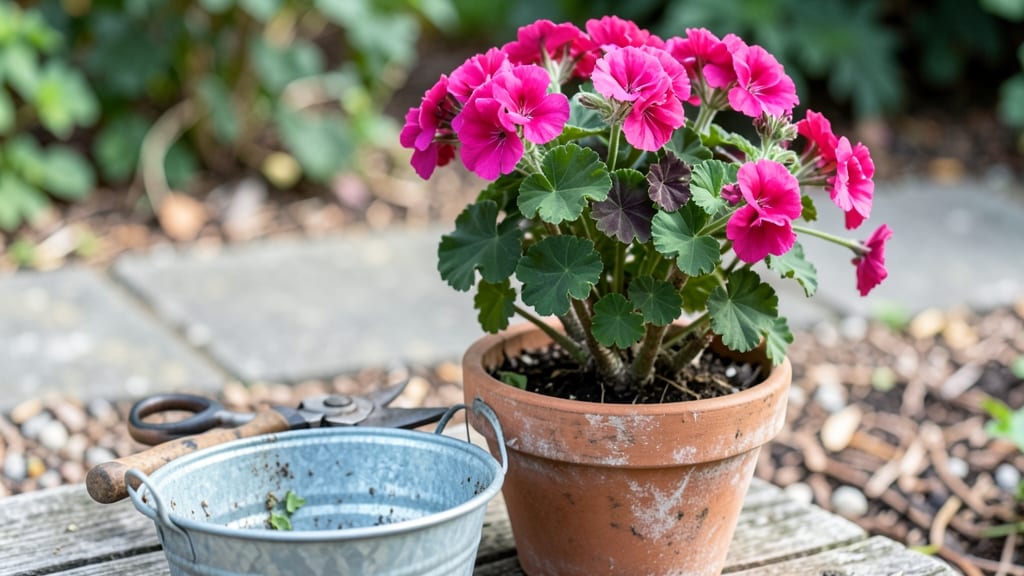
Trimming geranium plants isn’t just about keeping them neat—it’s the secret to nonstop blooms all season long. 🌸 I learned this the hard way when my geraniums turned into leggy, sparse bushes after skipping pruning for just one summer.
The right cuts at the right time make all the difference between a few sad flowers and a bush bursting with color.
You only need sharp pruners and a clear morning to work—no fancy tools required. The key is timing: pinch back leggy stems in early spring, deadhead spent blooms regularly, and give them a hard trim in late summer to push fresh growth before winter.
Most people wait too long or cut in the wrong place, which stunts new flowers.
When done right, your geraniums will reward you with denser foliage, more blooms, and stronger stems that don’t flop in summer heat. I’ve seen plants double their flower production just by following these simple steps—no magic involved, just smart pruning. Ready to transform those straggly bushes into showstoppers?
This method works for both zonale and pelargonium types, whether you’re growing in pots or garden beds. The same principles apply whether you’re prepping for spring or winterizing for cold months. Let’s get those shears sharp and those plants thriving!
📚 In This Guide
- What you need
- Instructions
- Tips and common mistakes
- Wrapping up and next steps
What you need
- ● Sharp pruning shears: Bypass pruners (4–6-inch blades) for clean cuts—avoid dull or nicks tools! (1 pair)
- ● Clean, disinfected scissors: Small garden scissors (for delicate stems, 3–4-inch blades). Sanitize with rubbing alcohol. (1 pair)
- ○ Gloves: Lightweight gardening gloves (optional but recommended to protect hands from thorns or sap).
- ○ Pruning saw (optional): For thick, woody stems (rare in geraniums, but handy for mature plants).
- ● Sunny day: Trim in the morning when plants are hydrated and cuts heal faster.
- ● Dry weather: Avoid trimming after rain to prevent disease spread.
- ● Freshly sharpened tools: Dull blades crush stems—always test on a scrap piece first!
- ● Compost bin or trash bag: For spent blooms and debris (1–2 gallons capacity).
- ● Horticultural alcohol wipes: To sterilize tools between cuts (5–10 wipes).
- ● Plant food (low-nitrogen): Balanced 10-10-10 or bloom booster (1–2 tbsp per gallon of water) to revive plants post-trim.
- ● Watering can: With a fine rose nozzle to hydrate plants after trimming.
Step-by-Step instructions for trimming geranium plants
Here's how to keep your geraniums blooming nonstop with simple, effective pruning techniques.
✂️ Step 1: Identify and Remove Spent Blooms
Start by scanning each stem for faded or wilting flowers—they're your first targets. Geraniums bloom best when you remove these spent blooms, a process called deadheading. Use clean, sharp pruning shears to snip just above the next set of healthy leaves or leaf pair. This prevents the plant from wasting energy on seed production.
I always work in the morning when flowers are fully open. If you wait until afternoon, you might miss some that wilted overnight. Remove blooms consistently every 2-3 days during peak bloom season to encourage continuous flowering. The goal is to keep the plant focused on producing new buds rather than seeds.
✂️ Step 2: Prune Leggy Stems for Bushier Growth
After deadheading, check for stems that have grown too long and leggy. These thin, stretched stems weaken the plant and reduce overall blooms. Use your pruning shears to cut back these stems to about 4-6 inches above the base. This encourages the plant to branch out and produce more compact, bushier growth.
Look for stems that are half as wide as others or have large gaps between leaves. These are your priority cuts. I like to make clean cuts at a 45-degree angle just above a leaf node. This prevents water from pooling on the cut and causing rot. After pruning, you'll notice new side shoots forming within 1-2 weeks.
✂️ Step 3: Thin Overcrowded Foliage
Geraniums can get too dense, especially in warm climates. Check for areas where leaves are rubbing against each other or blocking airflow. Use your fingers or pruning shears to gently remove some of the inner leaves and stems. This improves air circulation, which reduces the risk of fungal diseases like powdery mildew.
Focus on the center of the plant where light might not reach. Remove any yellow or brown leaves completely. You'll see a difference within a few days as new growth emerges from the center. This step is especially important if your geraniums are planted in containers where airflow is naturally limited.
✂️ Step 4: Shape the Plant for Fullness
Now it's time to shape the plant to your preference. Step back and look at the overall form. Use your pruning shears to trim back any stems that are growing in awkward directions or spoiling the symmetry. Cut just above a leaf node to encourage new growth in the right direction.
For a more rounded shape, trim the outer stems slightly shorter than the inner ones. This creates a full, lush appearance. I always avoid cutting into old wood—the thick, woody stems at the base won't regrow. Instead, focus on the newer, green growth. After shaping, your geranium should look balanced and ready for another round of blooms.
💧 Step 5: Post-Trimming Care
After trimming, give your geraniums a deep watering to help them recover. Water at the base of the plant to avoid wetting the leaves, which can lead to fungal issues. The soil should be moist but not soggy—you can check by sticking your finger about 1 inch deep. If it feels dry, water again.
Place your geraniums in a spot with 6-8 hours of sunlight daily. They'll need this light to recover from pruning and produce new blooms. Within 2-3 weeks, you should see fresh growth and new flower buds forming. This is your reward for the effort—vibrant, continuous blooms all season long.
Tips & tricks for perfect geranium plant trimming
A few quick tricks will help you transform your geraniums into blooming powerhouses with minimal effort.
Timing Secret: The 2-3 day deadheading schedule in Step 1 works best when you're consistent. I've found that morning sessions are ideal because that's when flowers are fully open and easy to spot. If you notice any blooms wilting overnight, they're prime candidates for removal. This regular attention keeps your plants focused on producing new flowers rather than seeds, which can drain their energy.
Pruning Angle Matters: When cutting back leggy stems in Step 2, that 45-degree angle isn't just for show—it helps water run off the cut rather than pool and cause rot. I like to visualize cutting just above a leaf node where new growth will emerge. This creates a natural growth pattern and prevents those awkward, bare spots that can form when cuts are made at random angles.
Thinning Strategy: In Step 3, focus on creating a "bubble" of air in the center of your geranium. Remove any leaves that are touching each other or blocking sunlight from reaching the center. This might seem counterintuitive, but it actually encourages fuller growth from the inside out. You'll notice within days that new growth emerges from those previously shaded areas, creating a bushier plant overall.
Post-Trimming Recovery: After all your pruning, that deep watering in Step 5 is crucial. I've learned the hard way that shallow watering can stress recently trimmed plants. Water until it runs out of the drainage holes, then let the soil dry slightly before watering again. This helps the plant recover faster and prevents fungal issues that can come from keeping leaves too wet.
Pro Tips for Trimming Geranium Plants
- A few quick tricks will help you transform your geraniums into blooming powerhouses with minimal effort.
- Timing Secret: The 2-3 day deadheading schedule in Step 1 works best when you're consistent.
- Pruning Angle Matters: When cutting back leggy stems in Step 2, that 45-degree angle isn't just for show—it helps water run off the cut rather than pool and cause rot.
Frequently asked questions
Got questions about keeping your geraniums blooming beautifully? Here are some of the most common queries—and their answers—to help you trim like a pro!
When is the best time to trim geraniums for maximum blooms?
The ideal time to trim geraniums is after they’ve finished blooming for the season (late summer to early fall) or before new growth starts in spring. For year-round bloomers, deadhead spent flowers every 1-2 weeks to encourage continuous blooming. Avoid heavy trimming during extreme heat or cold—wait for mild weather!
How much can I cut back geraniums without hurting the plant?
You can safely trim geraniums by 1/3 to 1/2 of their height during major pruning. For example, a 12-inch plant can be cut back to 4-6 inches. Avoid over-trimming—never reduce the plant to less than 3-4 inches tall, as this may stress the plant or leave it vulnerable to pests. Focus on removing leggy stems and spent blooms first!
What if my geraniums stop blooming after trimming?
If your geraniums refuse to bloom after trimming, they might be over-pruned or lacking sunlight. Ensure they get 6+ hours of direct sunlight daily and fertilize lightly with a balanced, bloom-boosting formula (like 10-10-10). Also, avoid trimming too late in the season—geraniums need time to recover and set new buds before winter.
Can I propagate geraniums from trimmings? Yes!
Use healthy, 4-6 inch cuttings from non-flowering stems. Remove the lower leaves, dip the cut end in rooting hormone (optional), and plant in well-draining soil. Keep the soil moist and place in bright, indirect light until roots form (about 3-4 weeks). This is a great way to multiply your plants for free!
What should I do if my geraniums look leggy after trimming?
Leggy geraniums often result from too little light or over-trimming. To fix it, move the plant to a sunnier spot and avoid heavy pruning in the future. Pinch back new growth to encourage bushier growth, and fertilize lightly to promote compact, sturdy stems. With time, your geraniums will bounce back!
Wrapping up and next steps
Trimming your geraniums isn’t just about keeping them tidy—it’s the secret to longer, fuller blooms and healthier plants! 🌸 By mastering deadheading and proper pruning, you’ll encourage vibrant growth and enjoy a season of stunning color.
Now that you’re armed with the right techniques, grab those shears and get pruning—your geraniums will thank you with months of beautiful flowers.
Ready to take it further? Try experimenting with propagation—those trimmed cuttings can root and grow into new plants! Happy gardening! 🌱