
Pests
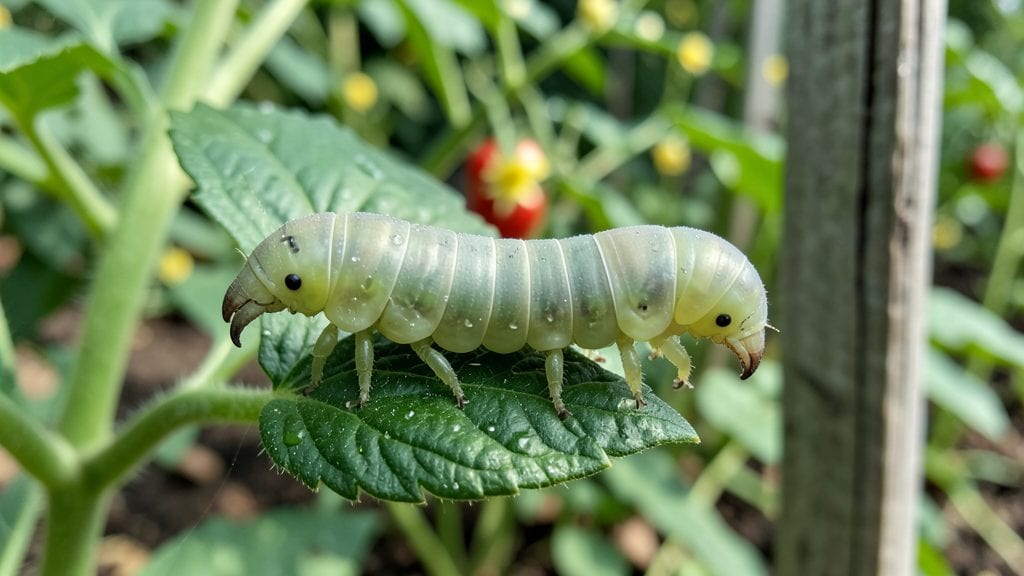
When tomato plant grubs turn your lush vines into skeleton leaves overnight, it’s time for a natural counterattack. 🌱 I’ve battled cutworms, wireworms, and root grubs in my own garden, and these three easy sprays saved my harvest—no harsh chemicals required.
The key is acting fast before they chew through your plants’ lifelines.
Grubs strike when your tomatoes are most vulnerable—young seedlings or stressed plants. Look for jagged leaf edges, wilting despite good water, or tunnels in the soil. Most gardeners panic and grab chemical sprays, but the real solution lies in targeted organic defenses that work within days.
My favorite? A mix of neem oil and insecticidal soap that smothers grubs on contact while protecting beneficial insects.
By the end of the first spray, you’ll see fewer holes in leaves and stronger stems holding up under pressure. The grubs won’t disappear overnight, but within a week, your plants will bounce back with new growth—thicker, greener, and ready to produce fruit.
The best part? These sprays prevent future infestations too, so you’re not playing catch-up every season.
Works for both container gardens and in-ground plots, and the ingredients you already have in your shed. Let’s get those tomatoes fighting back—naturally.
What Lures Grubs to Your Tomatoes
If your tomato plants are under siege by grubs, understanding why these pests target them in the first place is half the battle. Grubs—particularly those from beetles like the Colorado potato beetle or Japanese beetle—aren’t just random visitors.
They’re drawn to your garden by a mix of environmental cues, plant chemistry, and even human habits. Let’s break down the science behind their attraction.
Grubs are the larval stage of beetles, and their primary goal is to eat, grow, and survive. Tomato plants, with their rich, nitrogen-heavy foliage and roots, are like an all-you-can-eat buffet for them. Here’s why:
- Nitrogen-Rich Soil: Tomato plants thrive in soil with ample nitrogen, which makes their leaves tender and nutrient-dense. Grubs love this—it’s like fast food for them. 🍔 If your soil tests high in nitrogen (especially from compost, manure, or synthetic fertilizers), you’re inadvertently signaling: “Eat here!”
- Soft Stems & Leaves: Healthy tomato plants produce lush, soft growth that’s easy for grubs to chew through. Unlike woody plants, tomatoes offer zero resistance, making them a prime target.
- Root Exudates: Tomato roots release sugars and organic compounds into the soil, which attract grubs chemically. Think of it like a scent trail leading straight to a feast. 🧭
Actionable Fix: Balance your soil’s nitrogen with phosphorus and potassium (via a 10-10-10 fertilizer) to make plants less appealing. Mulch with straw or wood chips to deter beetles from laying eggs in the first place.
Grubs don’t just appear out of nowhere—they’re the offspring of adult beetles, and these pests are strategic about where they drop their eggs. Tomato plants become breeding grounds for two key reasons:
- Warm, Moist Soil: Beetles seek out soil that’s warm (70–85°F) and moist but well-draining. Tomato beds often fit this bill, especially after irrigation or rain. Grubs hatch in 7–14 days under these conditions, giving them a head start on devouring your plants. 🌡️
- Undisturbed Soil: Beetles avoid tilled or rocky soil—they prefer loose, easily penetrable dirt where they can bury eggs 1–2 inches deep. If your garden is untouched, you’re creating the perfect nursery. 🏡
- Proximity to Other Host Plants: Beetles don’t just target tomatoes—they also love potatoes, eggplants, peppers, and even roses. If your garden is a monoculture (or even a mix of these plants), you’re sending up a beacon to egg-laying females.
Actionable Fix:
- Rotate crops yearly to disrupt beetle life cycles.
- Use row covers early in the season to block adult beetles.
- Avoid overwatering—keep soil consistently moist but not soggy.
Sometimes, we create the perfect conditions for grubs without realizing it. Common gardening practices can turn your tomato patch into a grub paradise:
| Habit | Why It Attracts Grubs | How to Adjust |
|---|---|---|
| Over-fertilizing with manure | High nitrogen = faster grub growth and more beetle eggs. | Use composted manure (not fresh) or synthetic fertilizers sparingly. |
| Planting tomatoes in the same spot yearly | Beetles remember “successful” locations and return. | Rotate crops or plant grub-repelling companions like basil, marigolds, or nasturtiums. |
| Ignoring early signs of beetles | Adult beetles lay eggs within 48 hours of finding a host plant. | Inspect plants weekly for chewed leaves or eggs (tiny orange clusters). |
| Using mulch too close to stems | Moist mulch near stems = ideal egg-laying conditions. | Keep mulch 3–4 inches away from plant bases. |
Pro Tip: 💡 If you’ve had grub problems before, treat soil preventatively in early spring with beneficial nematodes (Heterorhabditis bacteriophora)—they hunt grubs before they hatch!
Quick Fixes for Wormy Tomato Plants
Got tomato plants under siege by grubs? Don’t panic—these natural, effective solutions will help you reclaim your garden without harsh chemicals. Below, we’ve matched common causes to targeted fixes, plus prevention tips to keep your plants thriving.
Cause: White, legless grubs (root maggots or cutworms) munching on roots. Fix:
- 🔥 Handpick & Drown: Dig around the base of the plant at dusk (when grubs are active). Drop them into a bucket of soapy water.
- 🍳 Diatomaceous Earth Dust: Sprinkle food-grade DE around the soil surface. It’s non-toxic but deadly to grubs (reapply after rain).
- 👨🍳 Beneficial Nematodes: These microscopic predators hunt grubs underground. Mix with water and apply to soil (best in warm weather).
Prevention Tip: 💡 Rotate crops—don’t plant tomatoes in the same spot yearly. Grubs love returning to familiar soil!
Cause: Green, striped caterpillars (hornworms) devouring leaves overnight. Fix:
- 🔪 Scavenge & Squish: Check leaves daily for eggs (tiny yellow ovals) and larvae. Drop them into soapy water or crush them.
- 🥘 Bacillus Thuringiensis (Bt): A natural bacteria spray that kills hornworms but spares bees. Reapply after rain.
- 🕷️ Encourage Predators: Ladybugs, lacewings, and parasitic wasps eat hornworm eggs. Plant dill or fennel nearby to attract them.
Prevention Tip: ✨ Plant basil near tomatoes—its scent repels hornworms naturally!
Cause: Young tomato plants suddenly wilting or snapped at the base (cutworm damage). Fix:
- 🍳 Collar Barriers: Wrap the stem of seedlings with cardboard or aluminum foil (1–2 inches high). Cutworms can’t climb it!
- 🔥 Flashlight Hunt: Shine a light at night—cutworms hide in soil and will uncurl. Pick them off by hand.
- 🌡️ Mulch Strategically: Use straw or grass clippings (not wood chips) to disrupt cutworm hiding spots.
Prevention Tip: 🎯 Plant late—cutworms are most active in early spring. Wait until soil warms up.
If grubs persist, mix one of these sprays and apply at dusk (when pests are active): | Solution | How to Use | |----------------------------|--------------------------------------------------------------------------------| | Neem Oil Spray | Mix 1 tbsp neem oil + 1 tsp dish soap + 1 quart water.
Spray foliage & soil. | | Garlic Pepper Spray | Blend 4 garlic cloves + 1 tsp cayenne + 1 quart water. Strain and spray. | | Beauveria Bassiana | A fungal spray that infects grubs (apply to soil). |
⚠️ Pro Tip: Always test sprays on a small plant area first—some can burn leaves if too concentrated!
Bonus: 🌿 Companion Plants like marigolds, onions, or thyme deter grubs naturally. Interplant them with tomatoes for extra protection!
Frequently asked questions about tomato plant grubs
What are the most common types of grubs attacking tomato plants?
Tomato plants typically face three main grub types: cutworms (gray/brown caterpillars), hornworms (green striped caterpillars), and root maggots (white legless larvae). Cutworms chew stems at night, hornworms skeletonize leaves, while root maggots tunnel through roots, causing wilting.
How do I know if my tomato plants have grubs and not another pest?
Look for these signs: ragged leaf edges (hornworms), snapped stems at soil level (cutworms), or stunted growth despite good care (root maggots). Check soil for tiny white grubs or tunnels. Unlike aphids, grubs don't leave sticky residue.
Can I use coffee grounds to repel tomato grubs?
Yes! Sprinkle used coffee grounds around plant bases—the caffeine and acidity deter beetles from laying eggs. Mix with soil or create a barrier ring. Reapply after rain. For existing grubs, combine with diatomaceous earth for better results.
Will grubs kill my tomato plants if I don't treat them?
Severe infestations can weaken plants enough to stunt growth or cause collapse, but they rarely kill mature tomatoes. Young seedlings are most vulnerable—cutworms can sever stems completely. Act fast with handpicking or nematodes to prevent long-term damage.
How often should I apply grub-control sprays?
Apply every 7-10 days during active growing season (spring-fall). Neem oil works best at dusk, while nematodes need moist soil. Always reapply after rain. For prevention, use companion plants like marigolds year-round.