
Planting
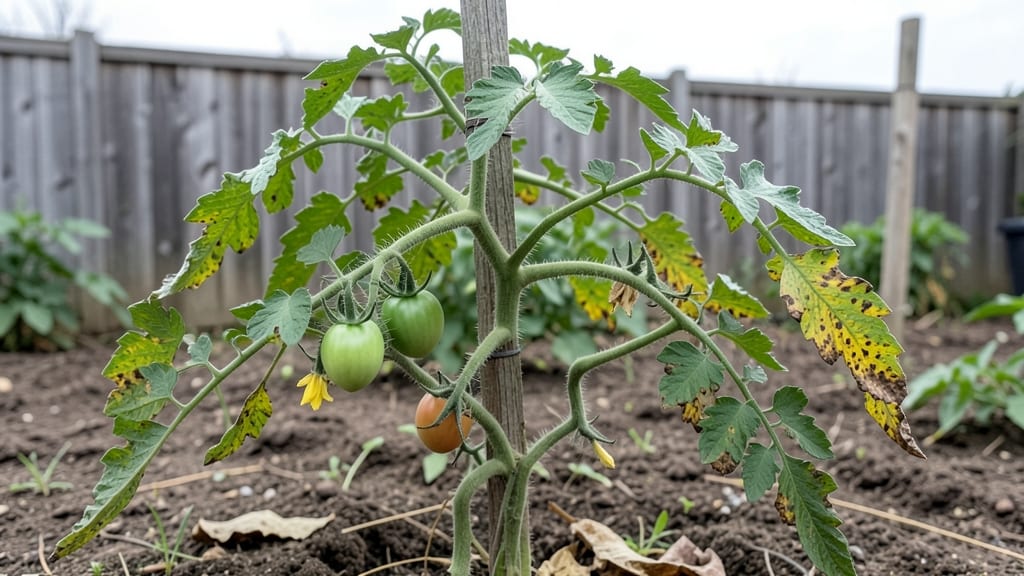
Yellow leaves, stunted growth, or dropped blossoms in your tomato plants could signal the tomato plant deficiencies—but don’t panic, they’re fixable with a little detective work. 🌱 I’ve seen my own plants go from struggling to thriving in just a few weeks once I identified the missing nutrient, and the fixes are simpler than you’d think.
Most issues boil down to three things: what’s in your soil, how you’re watering, and whether you’re over- or under-feeding them.
The good news? You don’t need a chemistry degree to diagnose or fix these problems. A quick soil test or even just observing leaf patterns can tell you exactly what’s missing—whether it’s nitrogen for lush green leaves, potassium for strong stems, or calcium to prevent blossom end rot.
I’ll walk you through the most common deficiencies and the fastest, organic solutions to get your plants back on track.
By the end, you’ll spot the early warning signs before they turn into full-blown crises. Think fewer yellowing leaves, more robust vines, and tomatoes that actually ripen instead of falling off the vine.
The key is acting early—most fixes take less than a week to show results if you catch them in time.
Whether you’re dealing with a single plant or an entire garden, these fixes work for container-grown tomatoes, raised beds, or in-ground plots. Let’s turn those struggling plants into productive powerhouses before the season slips away.
Root Causes of Plant Struggles
Tomato plants are resilient, but even the hardiest varieties can show signs of distress when their basic needs aren’t met. Understanding why deficiencies like yellowing leaves, stunted growth, or blossom drop occur is the first step to fixing them.
Below, we break down the most common culprits—each with a clear scientific explanation and actionable insights.
Tomatoes are heavy feeders, and when soil lacks essential nutrients, they send out distress signals—often in the form of yellowing or discolored leaves. Here’s what’s really happening:
- Nitrogen (N) Deficiency:
Nitrogen is the building block of chlorophyll, the pigment that gives leaves their green color. Without enough nitrogen, leaves turn pale yellow or yellow-green, starting from the oldest (lower) leaves.
This happens because nitrogen is mobile in the plant—it gets "recycled" from older leaves to newer growth when supplies are low.
Why it happens: Poor soil quality, overwatering (which leaches nitrogen), or relying solely on synthetic fertilizers without organic matter can deplete nitrogen over time.
- Potassium (K) Deficiency:
Potassium acts like a plant’s "quality control manager," regulating water balance, enzyme activity, and disease resistance. A deficiency shows up as yellowing or browning leaf edges (scorching), even while the veins stay green. Older leaves are usually the first to show symptoms.
Why it happens: Sandy or acidic soils naturally lack potassium, and excessive watering or high-sodium fertilizers can wash it away. Tomatoes also need more potassium as they fruit, so heavy yields can deplete soil reserves quickly.
- Magnesium (Mg) Deficiency:
Magnesium is the center of the chlorophyll molecule, so its deficiency causes interveinal yellowing (yellow patches between veins), starting on older leaves. This is often called "lime-induced chlorosis" if the soil is alkaline.
Why it happens: Over-fertilizing with nitrogen (without balancing minerals) or using lime-heavy amendments in acidic soils can lock out magnesium. Compacted or waterlogged soil also restricts root uptake.
💡 Pro Tip: Conduct a simple soil test to identify which nutrients are missing—this saves time and money by avoiding guesswork with fertilizers.
Water isn’t just about hydration—it’s about oxygen delivery to roots and nutrient absorption. Tomatoes are particularly sensitive to water stress, which can mimic or worsen deficiencies.
- Overwatering:
When soil stays soggy, roots suffocate from lack of oxygen, leading to yellowing leaves, wilting, and root rot. Overwatering also leaches nutrients like nitrogen and potassium, making deficiencies worse.
Why it happens: Poor drainage (common in clay soils), inconsistent watering (e.g., daily light sprinkles), or planting in low-lying areas where water pools.
- Underwatering:
Drought stress causes leaves to curl, yellow, or drop, and fruits may develop blossom-end rot (a calcium-related issue triggered by uneven water uptake). Roots struggle to absorb nutrients, even if they’re present in the soil.
Why it happens: Infrequent watering, shallow root systems (from compacted soil), or relying on rain in hot, dry climates. Tomatoes need 1–2 inches of water per week, delivered deeply to encourage deep roots.
- Inconsistent Watering:
Fluctuating moisture levels stress plants and disrupt nutrient uptake. This can cause blossom drop (flowers falling off) or cracked fruits, as the plant can’t maintain steady growth.
Why it happens: Skipping watering during heatwaves or overwatering after a dry spell. Mulching helps stabilize soil moisture and reduce stress.
🌡️ Quick Fix: Check soil moisture by sticking your finger 1–2 inches deep—if it’s dry, water deeply. If it’s muddy, hold off until the top 2 inches dry out.
Even with perfect nutrients and water, tomatoes can suffer if their environment isn’t ideal. These factors often fly under the radar but play a huge role in deficiencies.
- pH Imbalances:
Tomatoes thrive in slightly acidic soil (pH 6.0–6.8). Outside this range, roots can’t absorb nutrients like iron, manganese, or phosphorus—even if they’re in the soil. Symptoms include yellowing between veins (iron deficiency) or purple stems (phosphorus deficiency).
Why it happens: Native soil pH (e.g., alkaline soils in arid regions), over-application of lime, or using acidic amendments like pine bark without testing.
- Compacted or Poor Soil:
Dense, clay-heavy, or rocky soil restricts root growth, limiting a plant’s ability to access nutrients and water. Stunted growth, yellowing leaves, and weak stems are common signs.
Why it happens: Heavy foot traffic, machinery use, or planting without amending soil with compost or organic matter. Roots need loose, aerated soil to spread and absorb nutrients.
- Temperature & Light Stress:
Tomatoes are warm-season plants, but extreme heat (above 90°F/32°C) or cold (below 50°F/10°C) can disrupt nutrient uptake and photosynthesis. Leaves may yellow, curl, or drop, and flowers can abort.
Why it happens: Planting too early in cool climates, lack of shade in hot regions, or sudden temperature swings (e.g., nighttime chills after a heatwave).
- Pest & Disease Damage:
Root-feeding pests (like nematodes or cutworms) or fungal diseases (e.g., early blight) damage roots or leaves, reducing the plant’s ability to transport nutrients. Symptoms often mimic deficiencies.
Why it happens: Poor sanitation, overcrowded plants, or not rotating crops. Healthy soil with beneficial microbes (like mycorrhizae) can help protect roots.
✨ Prevention Tip: Amend soil with compost or aged manure before planting, and use mulch to regulate temperature and retain moisture.
Now that you know why your tomato plants are struggling, the next step is diagnosing the specific symptoms and applying targeted fixes. Stay tuned for our troubleshooting guide!
Quick Fixes for Common Tomato Troubles
When your tomato plants show signs of distress—whether it’s yellowing leaves, stunted growth, or dropped blossoms—acting fast can save your harvest. Below are practical, step-by-step solutions tailored to the most common deficiencies, along with tips to keep your plants thriving. 🌱💪
1. Yellowing Leaves (Nitrogen Deficiency)
If older leaves turn yellow but stay green at the edges, your plants are craving nitrogen—the fuel for leafy growth.
- 🍳 Apply nitrogen-rich fertilizer: Use a balanced 10-10-10 or 20-20-20 fertilizer (higher in nitrogen) or a quick fix like blood meal or compost tea. Follow package instructions for dosage.
- 👨🍳 Feed the soil, not just the leaves: Work a 1-inch layer of well-rotted manure or compost into the topsoil around the base of the plant. Water thoroughly to help nutrients absorb.
- ⏰ Time it right: Apply nitrogen in the morning to prevent fungal issues from overnight moisture.
💡 Prevention tip: Before planting, mix 1-2 cups of compost into the soil per plant. Use a slow-release fertilizer (like organic pellets) every 4-6 weeks to maintain levels.
2. Purple or Red Stems/Leaves (Phosphorus Deficiency)
Purple tinges on stems or undersides of leaves mean phosphorus is missing—critical for root and flower development.
- 🥗 Use a phosphorus boost: Switch to a fertilizer with a higher middle number (e.g., 5-10-5 or 10-20-10). Bone meal is a natural, slow-release option—sprinkle 1-2 tablespoons per plant and water in.
- 🌡️ Warm up the soil: Phosphorus absorbs better in warm soil (70°F+). If your climate is cool, use a black plastic mulch to raise soil temperature.
🎯 Prevention tip: Add composted bone meal to the soil at planting time. Avoid overwatering—phosphorus leaches in soggy soil.
3. Weak, Pale New Growth (Potassium Deficiency)
Yellowing leaf edges or weak stems signal potassium deficiency, which weakens disease resistance and fruit quality.
- 🍅 Potassium power-up: Use a fertilizer with a high last number (e.g., 0-0-50 or 13-13-44). Wood ash (1 cup per plant) or greensand are organic alternatives.
- 💧 Water wisely: Potassium moves with water, so apply fertilizer after watering to ensure it reaches roots.
✨ Prevention tip: Mix banana peels (rich in potassium) into compost or use kelp meal (a natural seaweed fertilizer) every 3-4 weeks.
4. Blossom Drop (Too Much Nitrogen or Heat Stress)
If flowers fall off before fruiting, it’s often due to excess nitrogen (which prioritizes leaves over fruit) or temperature swings (above 90°F or below 55°F).
- 🔥 Balance the fertilizer: Switch to a low-nitrogen, high-phosphorus fertilizer (e.g., 5-10-10) to encourage flowering. Flush the soil with water to leach excess nitrogen.
- 🌿 Shade and hydration: Provide afternoon shade (use shade cloth) and water deeply in the morning to reduce heat stress. Mulch with straw to retain moisture.
- 🍅 Hand-pollinate: Gently shake plants or use a soft paintbrush to transfer pollen between flowers on calm days.
💡 Prevention tip: Avoid high-nitrogen fertilizers when flowers appear. Choose tomato varieties bred for heat tolerance (like ‘Heatmaster’ or ‘Solar Fire’).
5. Stunted Growth (Compact Roots or Poor Drainage)
If plants stay small with dark, mushy roots, they’re either root-bound or drowning in soggy soil.
- 🔪 Repot or prune roots: If in containers, loosen roots and transplant into a larger pot with fresh, well-draining soil. For in-ground plants, gently tease roots outward if crowded.
- 💧 Improve drainage: Amend soil with perlite or coarse sand (1 part to 3 parts soil). Ensure pots have drainage holes and raise containers off the ground.
- 🌱 Boost airflow: Space plants 18-24 inches apart and prune lower leaves to prevent humidity buildup.
🎯 Prevention tip: Plant tomatoes in raised beds or mounds for natural drainage. Use container sizes at least 5 gallons for dwarf varieties.
Once you’ve addressed the deficiency, keep these proactive habits to avoid repeat problems:
- 📊 Soil test first: Before planting, test soil pH (aim for 6.0-6.8) and nutrient levels. Adjust with lime (for acidity) or sulfur (for alkalinity).
- 💪 Rotate crops: Avoid planting tomatoes in the same spot yearly. Wait 3 years before replanting to prevent disease and nutrient depletion.
- 🥗 Feed regularly: Use a balanced liquid fertilizer (like fish emulsion) every 2-3 weeks during the growing season.
- 🌡️ Monitor weather: Protect plants from extreme heat or cold with row covers or shade cloth. Mulch to regulate soil temperature.
With these fixes, your tomato plants should bounce back stronger—and you’ll be on your way to a bountiful harvest! 🍅🍆🍕
Frequently asked questions about tomato plant deficiencies
Why do my tomato plant leaves turn yellow first on the lower ones?
This classic sign usually means your plants are lacking nitrogen—the building block of chlorophyll. Since nitrogen is mobile in plants, they "recycle" it from older leaves to newer growth when supplies run low. Check if your soil feels light or sandy, as these types drain nitrogen quickly.
Can I fix tomato deficiencies without chemical fertilizers?
For nitrogen, try compost tea or well-rotted manure. Potassium deficiencies respond well to wood ash or banana peels composted into the soil. Magnesium issues? Mix in Epsom salt (1 tablespoon per gallon of water) every 2 weeks. Organic fixes work just as effectively when applied correctly.
Why are my tomato flowers dropping off before fruiting?
This "blossom drop" typically happens when plants get too much nitrogen (prioritizing leaves over fruit) or experience temperature swings (above 90°F or below 55°F). Reduce high-nitrogen fertilizers when flowers appear and provide afternoon shade during heatwaves. Hand-pollinating flowers on calm days can also help.
How often should I fertilize tomatoes to prevent deficiencies?
For healthy growth, use a balanced fertilizer (10-10-10) every 2-3 weeks during the growing season. Switch to a low-nitrogen, high-phosphorus formula (like 5-10-10) when flowers appear. Over-fertilizing causes more problems than it solves—always water thoroughly after applying fertilizer to prevent root burn.
What does soil pH have to do with tomato deficiencies?
Tomatoes thrive in slightly acidic soil (pH 6.0-6.8). Outside this range, roots can't absorb key nutrients like iron or manganese—even if they're present. Test your soil with a simple kit (available at garden centers) and adjust with lime (to raise pH) or sulfur (to lower it) before planting.