
Diseases
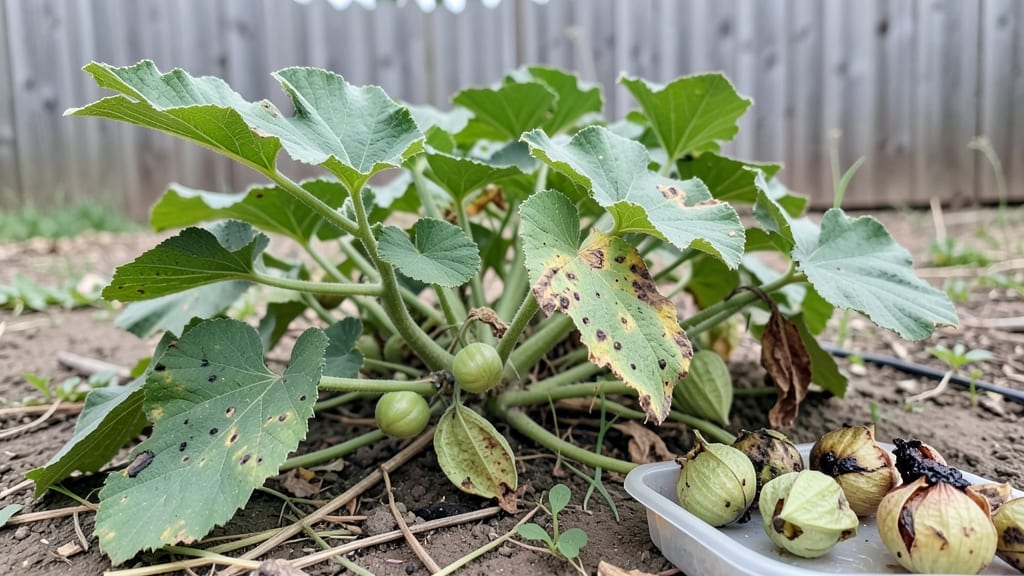
Tomatillo plant diseases can turn your harvest into a sad, shriveled mess if you don’t catch them early. 🌱 I’ve seen healthy plants go from vibrant to wilted in weeks because of fungal spots or bacterial rot—until I learned to spot the warning signs and act fast.
The key is knowing what to look for before it’s too late.
Most problems start with water or humidity—either too much or not enough. Powdery mildew leaves white fuzz on leaves, while bacterial spots create yellow rings with dark centers. Early blight shows up as concentric circles on lower leaves, and if you ignore it, the whole plant can collapse.
Prevention is simpler than you think: space plants properly, water at the base, and remove infected foliage immediately.
Once you spot trouble, organic sprays like neem oil or copper fungicide can save your plants if you catch it early. For bacterial issues, a mix of baking soda and soap works surprisingly well.
The goal is to stop the spread before it reaches the fruit—because once those tomatillos get infected, your harvest is ruined. With these tricks, you’ll keep your plants thriving all season.
This works for both backyard gardens and container growers. The same principles apply whether you’re dealing with a single plant or a full patch. Early action is everything—don’t wait until the leaves are half-eaten to act. Your future salsa will thank you.
Root Causes Behind Tomatillo Struggles
Tomatillo plants, like all green thumbs’ pride, aren’t immune to nature’s sneaky attacks. Understanding why these diseases strike is half the battle—because once you know the enemy, you can outsmart it. Let’s break down the real culprits behind tomatillo plant diseases, from microbial invaders to environmental betrayals.
Fungi thrive in damp, warm conditions, turning your tomatillo’s leaves, stems, and fruit into their all-you-can-eat buffet. Here’s how they pull it off:
1. Overwatering and Poor Drainage 💦
Fungi like Phytophthora (root rot) and Alternaria (leaf spot) love soggy soil. When roots sit in waterlogged conditions for too long, they suffocate, weaken, and become prime targets for fungal spores lurking in the soil or splashing up from irrigation.
- Why it happens: Tomatillos need consistent moisture, but their roots hate being waterlogged.
Clay-heavy or compacted soil traps excess water, while overhead watering (like sprinklers) keeps foliage damp—perfect fungal incubation. - Actionable fix: Test your soil’s drainage by digging a hole, filling it with water, and timing how long it takes to drain. Ideal? 4–6 hours.
Amend soil with compost or perlite if needed, and water at the base (not overhead) to keep leaves dry.
2. High Humidity and Stagnant Air 🌫️
Tomatillos crave airflow, but crowded plants or dense foliage create a humid microclimate. Fungi like Septoria (septoria leaf spot) and Botrytis (gray mold) spread like wildfire in these conditions, clinging to wet surfaces and feasting on organic matter.
- Why it happens: Stagnant air traps moisture, and fungal spores (always present in soil or air) germinate when humidity hovers above 70% for prolonged periods.
Greenhouses or shaded areas worsen the problem. - Actionable fix: Space plants 18–24 inches apart for airflow, prune dense foliage, and avoid mulching too close to the stem. Use a fan in greenhouses or plant in full sun (6+ hours daily) to reduce humidity.
Bacteria are stealthy—they don’t need dampness to thrive, just a weak spot to exploit. Once inside, they multiply rapidly, clogging plant vessels and causing wilting, oozing lesions, or stunted growth.
3. Weakened Plant Defenses 🛡️
Tomatillos under stress (nutrient deficiencies, physical damage, or transplant shock) are sitting ducks for bacteria like Xanthomonas (bacterial spot) or Pseudomonas (bacterial leaf spot). Even a tiny wound from pruning or hail can be an open invitation.
- Why it happens: Stress triggers the plant to produce ethylene (a hormone that signals "danger"), which suppresses immune responses.
Bacteria detect this and launch their attack via water droplets, tools, or even your fingers! - Actionable fix: Hardening off seedlings before transplanting, using sterilized tools (bleach solution: 1 part bleach to 9 parts water), and avoiding overhead watering reduces entry points. Boost immunity with a balanced fertilizer (10-10-10) and compost tea.
4. Contaminated Soil or Tools 🧹
Bacteria and fungal spores are everywhere—old soil, garden tools, or even compost can harbor them. If you’ve grown tomatillos (or related nightshades like peppers) in the same spot before, pathogens may still be lurking.
- Why it happens: Many tomatillo diseases are soil-borne, meaning they persist in the environment for years. Even "clean" compost can contain spores if it wasn’t heated to 140°F+ during decomposition. - Actionable fix: Practice crop rotation—avoid planting tomatillos in the same spot for 3+ years.
Solarize soil in late summer (cover with clear plastic for 4–6 weeks) to kill pathogens. Disinfect tools between uses with rubbing alcohol or a 10% bleach solution.
Sometimes, Mother Nature herself sets the stage for disease. Extreme temperatures, poor air circulation, or even beneficial insects gone rogue can tip the scales.
5. Temperature Swings 🌡️
Tomatillos prefer warm days (70–85°F) and cool nights (55–65°F), but sudden shifts stress them out. Cold snaps or heatwaves weaken their defenses, making them vulnerable to fungal infections like Fusarium wilt.
- Why it happens: Cold stress disrupts cell membranes, while heat stress denatures proteins—both create gaps for pathogens to exploit. Fusarium thrives in soil temps above 86°F, multiplying rapidly.
- Actionable fix: Use row covers for early spring/fall protection, mulch with straw to regulate soil temps, and avoid planting in low-lying areas where cold air pools.
6. Pests Paving the Way 🐜
Aphids, whiteflies, and spider mites don’t just sap nutrients—they injure plants and excrete honeydew, a sticky substance that attracts sooty mold fungi (Capnodium). Worse, their feeding weakens leaves, making them easier targets for bacterial spots.
- Why it happens: Honeydew creates a sugar-rich film on leaves, perfect for fungal growth.
Plus, pests spread bacterial pathogens on their bodies as they move between plants. - Actionable fix: Introduce beneficial insects (ladybugs, lacewings) or use neem oil (1 tsp per quart of water, spray weekly) to control pests. Prune heavily infested leaves and dispose of them in the trash (not compost).
The key to curing tomatillo diseases? Prevention. By addressing the root causes—whether it’s soggy soil, crowded plants, or stressed foliage—you’re not just treating symptoms, you’re starving the problem at its source.
Next up: How to Spot These Diseases Early—because catching them before they spread is your best defense! 🚨
Quick Fixes For Tomatillo Ailments
When your tomatillo plants start showing signs of stress, acting fast can mean the difference between saving your harvest and losing your crop. Below, we’ve mapped out practical, step-by-step solutions for the most common fungal and bacterial diseases, along with prevention tips to keep your plants thriving.
Think of this as your emergency first-aid kit for tomatillos—simple, effective, and easy to follow.
🔥 Powdery Mildew: The White Web Attack
Cause: Erysiphe cichoracearum or Sphaerotheca fuliginea thrive in humid, shaded conditions, covering leaves in a chalky white film.
How to Treat It:
- 🍳 Prune & Isolate: Snip off infected leaves immediately (don’t compost them—dispose in a sealed bag). Move plants to a drier, sunnier spot (at least 6 hours of direct sunlight daily).
- 👨🍳 Spray with Baking Soda Mix: Combine 1 tsp baking soda + 1 tbsp vegetable oil + 1 tsp mild soap + 1 gallon water. Spray every 7–10 days until symptoms fade. (Why it works: The oil helps the baking soda stick to leaves!)
- 🥘 Neem Oil Blast: Mix 1 tbsp neem oil + 1 tsp soap per quart of water. Spray early morning or evening (avoid direct sun) twice weekly for 2 weeks. Neem disrupts fungal spores’ life cycle.
- ⏰ Prevent Relapse: Space plants 18–24 inches apart for airflow. Water at the base (never overhead) and remove debris after harvest.
💡 Pro Tip: Reflective mulch (like white plastic) under plants can reduce humidity near the soil, discouraging spores.
🌡️ Early Blight: The Dark Spot Stalker
Cause: Alternaria solani creates concentric rings on lower leaves, spreading upward as the plant ages.
How to Treat It:
- 🔪 Remove & Destroy: Tear out entire infected plants (don’t leave them in the soil). Sterilize pruners with 70% rubbing alcohol between cuts.
- 🎯 Copper Fungicide Spray: Use Bordeaux mix or copper soap (follow label rates). Apply every 10–14 days at dawn or dusk. (Why it works: Copper disrupts fungal cell walls.)
- 🌿 Companion Planting: Interplant with marigolds or basil—they repel pests that spread blight spores.
- ✨ Soil Boost: Add compost or aged manure before planting to strengthen plants’ natural defenses.
💡 Pro Tip: Crop rotation—don’t plant tomatillos (or tomatoes/peppers) in the same spot for 3+ years to starve the fungus.
🍂 Rust: The Orange Pustule Invader
Cause: Puccinia fungi create bright orange pustules on undersides of leaves, weakening the plant.
How to Treat It:
- 🍳 Remove & Burn: Snip off rusty leaves and burn them (don’t compost). Avoid shaking plants—spores spread like dandelion fluff!
- 👨🍳 Sulfur Dust: Lightly dust leaves with elemental sulfur (1–2 tbsp per plant) every 2 weeks. (Works best in dry weather.)
- 🥘 Organic Fungicide: Try potassium bicarbonate spray (1 tsp per liter of water + a drop of soap). Spray weekly until rust disappears.
- 🌡️ Adjust Watering: Water deeply but infrequently—rust loves damp leaves. Use drip irrigation to keep foliage dry.
💡 Pro Tip: Prune for airflow—thin out crowded branches to reduce humidity pockets where rust thrives.
🔪 Bacterial Spot: The Tiny Black Lesion
Cause: Xanthomonas bacteria create water-soaked spots that turn black and ooze.
How to Treat It:
- 🍳 Sterilize Everything: Wash hands, tools, and containers with soapy water + bleach (1:10 ratio) before touching plants.
- 👨🍳 Copper Spray: Use copper fungicide (like Copper Septicide) every 5–7 days for 3 weeks. (Copper kills bacteria on contact.)
- 🥘 Hydrogen Peroxide Soak: Mix 1 tbsp 3% hydrogen peroxide per gallon of water. Spray every 3 days to sanitize leaves.
- ⏰ Prevent Spread: Remove infected plants immediately—bacterial spot is highly contagious. Avoid overhead watering.
💡 Pro Tip: Seed treatment—soak seeds in hydrogen peroxide (1:10 ratio) for 10 minutes before planting to kill latent bacteria.
🍅 Bacterial Canker: The Stem-Stripping Menace
Cause: Clavibacter michiganensis creates sunken, oozing lesions on stems, killing plants quickly.
How to Treat It:
- 🔥 Quarantine & Quash: Dig up and destroy infected plants immediately. Do not compost them—bag and trash.
- 👨🍳 Bleach Soil: Mix 1 part bleach to 9 parts water, then drench the soil where the plant grew. Let sit for 30 minutes, then rinse.
- 🥘 Prevent Reinfestation: Rotate crops—don’t plant tomatillos in that spot for 5+ years. Use resistant varieties like ‘Purple de Milpa’ if canker is common in your area.
- ✨ Boost Immunity: Feed plants with kelp meal or fish emulsion (high in silica) to strengthen cell walls.
💡 Pro Tip: Avoid wounding plants—rough handling (like aggressive pruning) can invite bacterial entry.
- ✅ Space plants properly (18–24” apart) for airflow.
- ✅ Water at the base—never overhead (especially in evenings).
- ✅ Clean up debris after harvest (fungi/bacteria love hiding in old leaves).
- ✅ Rotate crops—don’t plant tomatillos in the same spot yearly.
- ✅ Start with healthy seeds (soak in hydrogen peroxide or a fungicide seed treatment).
- ✅ Use mulch (straw or grass clippings) to reduce soil splashing onto leaves.
Final Thought: Most tomatillo diseases are preventable with good hygiene and airflow. If you catch a problem early, these fixes will revive your plants and save your salsa ingredients! 🌶️🍲
Frequently asked questions about tomatillo plant diseases
What are the most common signs of fungal infections in tomatillo plants?
Look for white powdery coatings (powdery mildew), dark concentric rings (early blight), or orange pustules (rust) on leaves. Fungal spots often appear on lower leaves first and spread upward. If you see yellowing leaves with brown edges, it could also signal root rot from overwatering.
How can I tell if my tomatillo plants have bacterial infections instead of fungal?
Bacterial spots show up as water-soaked lesions that turn black with yellow halos, often oozing a slimy substance. Unlike fungi, bacterial infections don't produce powdery growths or rust-colored spores. Check stems for sunken, oozing cankers—this is a classic sign of bacterial canker.
Can I still harvest tomatillos from plants showing early signs of disease?
Only if the disease is limited to a few lower leaves and hasn't reached the fruit. Remove infected foliage immediately and isolate the plant. For bacterial diseases, never harvest from infected plants—the bacteria can contaminate your harvest. When in doubt, treat the plant first and wait 2-3 weeks before harvesting.
What's the best organic treatment for preventing powdery mildew on tomatillos?
Mix 1 teaspoon baking soda + 1 tablespoon vegetable oil + 1 teaspoon mild soap per gallon of water. Spray this solution on leaves every 7-10 days during humid conditions. The oil helps the baking soda stick better, while the soap reduces surface tension for even coverage. For extra protection, space plants 18-24 inches apart and water at soil level.
How long does it take to see results from treating tomatillo diseases?
With early intervention, you should see improvement in 7-14 days for fungal issues like powdery mildew or early blight. Bacterial diseases may take 2-3 weeks to show visible recovery, as they require more aggressive treatment. Consistency is key—keep applying treatments until all symptoms disappear and the plant shows new growth.