Size
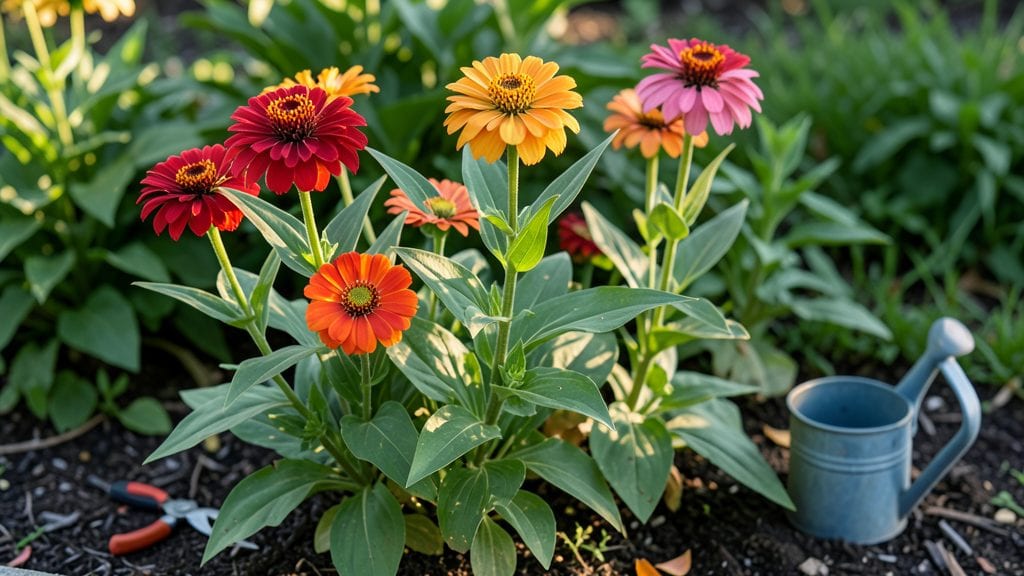
The tall zinnia plants reaching for the sky don’t happen by accident—they need the right pruning rhythm from day one. 🌻 I’ve grown zinnias for years, and the difference between floppy stems and towering blooms comes down to three simple cuts made at the right time.
The key isn’t just hacking away; it’s guiding the plant’s energy upward while keeping it sturdy enough to support those heavy blooms.
Most gardeners skip pruning until the plants are already struggling, but the best time to shape zinnias is early—when they’re just 6-8 inches tall. Pinch off the top set of leaves to encourage branching, then repeat every 2-3 weeks to maintain that bushy, sturdy base.
Think of it like training a plant to be a gymnastic performer: the more you guide it early, the more dramatic the final act.
By midseason, your zinnias will be standing like sentinels, their stems thick enough to hold up dinner-plate-sized blooms without flopping. The secret’s in the balance: prune enough to encourage height, but not so much that you weaken the stems.
With these tricks, you’ll end up with zinnias that outshine store-bought bouquets—and last through heavy rains.
Works for all zinnia varieties, from classic ‘Benary’s Giant’ to the delicate ‘Crystal’ types. The same principles apply whether you’re growing in full sun or partial shade, though taller varieties need extra support in windy areas. Let’s get those stems reaching for the sky!
📚 In This Guide
- What you need
- Instructions
- Tips and common mistakes
- Wrapping up and next steps
What you need
- ● Zinnia seeds: Choose tall varieties like Benary’s Giant or State Fair (packs of 50–100 seeds).
- ● Well-draining potting mix: 10–20 lbs (for containers) or amend garden soil with compost (5–10 lbs per 10 sq ft).
- ● Containers or garden bed: Containers: 12–18" deep pots (1–2 plants per 5-gallon container).
- ● Garden beds: Full sun (6+ hours/day) with loose, fertile soil.
- ● Watering can or hose: With a gentle spray nozzle for seedlings.
- ● Fertilizer: Balanced 10-10-10 or slow-release granules (1 tbsp per plant every 4–6 weeks).
- ● Bypass pruners: Sharp, clean pair for clean cuts (sterilize with rubbing alcohol).
- ○ Garden gloves: To protect hands from thorns (optional but handy!).
- ○ Stakes or cages (optional): 3–4 ft tall for support (bamboo or metal).
- ○ Pruning sealant (optional): For large cuts to prevent disease.
- ● Direct sunlight access (or grow lights for indoor starts).
- ● Warm soil temps (60°F+ for germination).
- ● Patience! Tall zinnias take 60–90 days to bloom.
How to grow towering zinnia stems using 3 easy pruning techniques
Zinnias reach their sky-high potential when you guide their growth—not just let them grow. Here’s how I coax those dramatic, 4-foot stems with minimal effort.
🌱 Step 1: Pinch Back Young Plants for Bushier Growth
When your zinnias are about 6 inches tall and have 4-5 true leaves, pinch off the top set of leaves with your fingers. This might seem counterintuitive—you’re removing growth—but it forces the plant to branch out instead of shooting straight up like a single stalk. You’ll see new side shoots emerge within 7-10 days.
Use clean, sharp scissors or your fingernails to make the cut just above a set of leaves where two leaves meet the stem. Avoid tearing the plant—this can invite disease. The goal is to encourage a fuller base, which supports taller, sturdier stems later. I always do this on a cloudy morning to reduce stress on the plant.
✂️ Step 2: Deadhead Regularly to Extend Blooming and Height
Once zinnias start flowering, remove spent blooms by snipping the stem just below the flower head. This prevents the plant from wasting energy on seed production and redirects it to growing taller and producing more flowers. I check my zinnias every 3-4 days—the moment a bloom starts wilting is the perfect time to cut it back.
Don’t cut too far down the stem. Leave at least 2-3 inches of healthy growth below the flower head. This ensures the plant retains its strength and continues to grow upward. You’ll notice new buds forming along the stem within 5-7 days of consistent deadheading. This is your signal that the technique is working.
☀️ Step 3: Prune for Height by Cutting Back Leggy Stems
If any stems start stretching too tall and becoming weak or leggy, trim them back to half their height. This might seem drastic, but it encourages the plant to produce shorter, sturdier side shoots that will eventually grow taller and stronger. Look for stems that are longer than 18 inches with few leaves—these are prime candidates for pruning.
Make your cut just above a leaf node where two leaves meet the stem. This ensures the plant has a strong starting point for new growth. After pruning, water the plant deeply to help it recover. You’ll see new growth emerging within 10-14 days, and these new stems will be thicker and more robust than the leggy ones you removed.
💧 Step 4: Support Tall Stems for Maximum Height
Once your zinnias reach 2 feet tall, provide support to prevent them from toppling over. I use bamboo stakes or small garden cages to keep them upright. Insert the stake gently into the soil next to the plant, being careful not to damage the roots. Tie the main stem loosely to the stake with soft plant ties or strips of fabric.
Check the ties every 5-7 days to ensure they’re not too tight—zinnias grow quickly, and constricting ties can damage the stem. As the plant grows taller, add more ties or adjust the existing ones to keep the stem secure. With proper support, your zinnias can easily reach 4 feet or more, creating a stunning vertical display in your garden.
Tips & tricks for perfect tall zinnia growth
Here's how I turn those 6-inch seedlings into sky-reaching giants—without any fancy tools or complicated steps.
Timing is Everything: In Step 1, when you pinch back those 6-inch plants, do it on a cloudy morning or in the evening. The cooler temperatures help reduce stress on the plant, which means faster recovery and stronger new growth. I've seen plants that took 14 days to branch out when pinched in full sun versus just 7 days when done in cooler conditions.
Deadheading Discipline: The 3-4 day check schedule in Step 2 is non-negotiable if you want consistent blooms. I keep a small notepad by my garden bench to mark when I last deadheaded each plant. Missing just one check can mean wasted energy going to seed production instead of new growth. Look for that first sign of wilting—it's your cue to act immediately.
Pruning Strategy: When you're cutting back those leggy stems in Step 3, focus on the healthiest stems first. I always look for ones with at least 3-4 leaves remaining after the cut—this gives the plant enough energy to produce strong new shoots. The 10-14 day recovery time might seem long, but patience here pays off with thicker, more robust stems that can actually support that 4-foot height.
Support System: For Step 4, don't wait until your zinnias are already leaning. I insert my bamboo stakes when they hit 18 inches—about a week before they need support. This gives the ties something substantial to hold onto. I've learned the hard way that waiting too long means the stems bend permanently, and no amount of tying will fix that. Use soft plant ties or even old fabric strips—they're gentler than wire and won't damage the delicate stems.
Pro Tips for Tall Zinnia Plants
- Here's how I turn those 6-inch seedlings into sky-reaching giants—without any fancy tools or complicated steps.
- Timing is Everything: In Step 1, when you pinch back those 6-inch plants, do it on a cloudy morning or in the evening.
- Deadheading Discipline: The 3-4 day check schedule in Step 2 is non-negotiable if you want consistent blooms.
Frequently asked questions
Got questions about growing and maintaining tall zinnia plants? You're not alone! Here are some of the most common inquiries—plus quick, practical answers to help you keep those towering blooms thriving.
How tall do zinnia plants actually grow?
Tall zinnia varieties, like Zinnia elegans, can reach 3 to 5 feet tall with proper care! Dwarf or smaller varieties typically stay between 12 and 24 inches. Choose the right type for your space—tall zinnias need sturdy support (like stakes or cages) to prevent flopping, especially in windy areas.
When is the best time to prune tall zinnias?
Prune tall zinnias early in the morning when stems are stiff and dew-free. For shaping, trim back leggy stems by one-third after the first flush of blooms (usually 4–6 weeks after planting). Deadhead spent flowers weekly to encourage continuous blooming—just pinch or snip above a set of leaves.
Can tall zinnias survive heavy rain or wind?
Zinnias are not naturally wind-resistant, so tall varieties may need extra support in stormy climates. Use tall stakes (3–4 feet) or tomato cages and secure them with soft ties. After heavy rain, check for soggy soil—zinnias hate "wet feet," so improve drainage if needed. Mulch around the base to keep roots stable.
What should I do if my tall zinnias are flopping over?
Flopping usually means your zinnias need more support or pruning. Try these fixes:
- Stake them: Insert stakes at planting (not after growth starts) to avoid root damage.
- Prune strategically: Trim the top 2–3 inches of leggy stems to encourage bushier growth.
- Thin crowded plants: Overcrowding weakens stems—space zinnias 12–18 inches apart.
Are there shorter zinnia alternatives for small gardens?
If tall zinnias overwhelm your space, try these compact varieties:
- Zinnia 'Thumbelina' Series: 6–12 inches tall, perfect for containers.
- Zinnia 'Crystal Series': 12–18 inches, with double blooms.
- Zinnia 'Profusion' Series: 12–18 inches, heat-tolerant and prolific.
These still offer bold colors and long bloom times without the height!
Wrapping up and next steps
Growing tall, vibrant zinnia plants is easier than you think—just a little pruning and patience go a long way! 🌻 With the right techniques, you’ll enjoy sky-high stems that bloom all season long.
Now that you’re armed with the 3 simple pruning tricks, it’s time to roll up your sleeves and give your zinnias the care they deserve.
Ready to transform your garden? Start today by picking a sunny spot, grabbing your shears, and watching your zinnias reach new heights! Happy gardening! 🌱