
Size
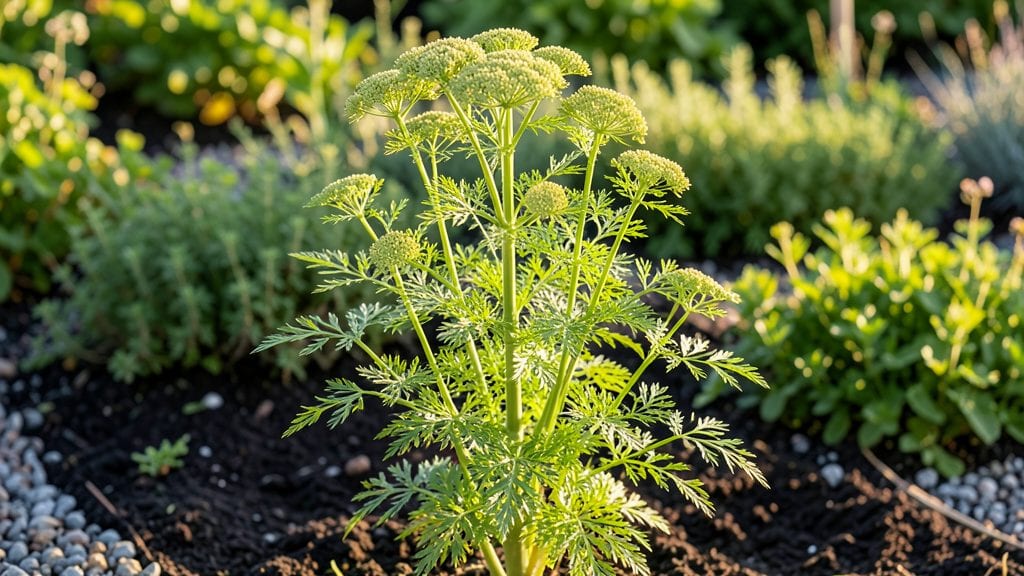
Growing a tall coriander plant starts with understanding its growth habits—because what looks like a delicate herb can reach 24 inches with the right care. I learned this the hard way after my first batch bolted into seed stalks before I could harvest a single leaf.
The key isn’t just sunlight or water; it’s strategic pruning that encourages vertical growth while keeping the plant productive.
Coriander thrives in full sun (6+ hours daily) and well-draining soil rich in organic matter. Overcrowding is the #1 reason plants stay short—space them 12 inches apart in rows to give roots room to stretch. Water consistently but avoid soggy soil, which triggers rot and stunts growth.
Most gardeners miss the 3-trim technique: cut stems back by ⅓ when they hit 12 inches, then again at 18 inches, and finally at 24 inches to prolong harvests.
With this method, you’ll harvest lush, tall stems for 8+ weeks instead of the usual 3-4. The first trim forces bushier growth, the second extends height, and the third keeps the plant producing leaves instead of flowering.
Even in hot summers, shade cloth during peak afternoon sun prevents bolting, ensuring your plants stay tall and leafy—not leggy and bitter.
Seasonal tweaks matter: in spring/fall, focus on soil fertility; in summer, prioritize shade and frequent watering. Winter? Move pots indoors near a sunny window. The payoff? A year-round supply of cilantro that rivals store-bought—without the $4 price tag. Ready to grow coriander that actually reaches its potential?
📚 In This Guide
- What you need
- Instructions
- Tips and common mistakes
- Wrapping up and next steps
What you need
- ● Coriander seeds: 1–2 tbsp (organic, non-GMO preferred for best flavor). Pro tip: Save seeds from your last harvest for free replanting! 🌱
- ● Potting soil: 1–2 gallons of well-draining, organic potting mix (or garden soil amended with compost). Avoid heavy clay soil!
- ○ Container or garden bed: Container option: 1–2 large pots (12+ inches deep) with drainage holes. Optional: Self-watering pots for convenience.
- ● Garden bed option: Full sun (6+ hours/day) and loose, fertile soil. Test soil pH (ideal: 6.2–6.8).
- ● Watering can or hose: With a gentle spray nozzle for even moisture.
- ● Pruning shears: Sharp, clean scissors or small pruners for trimming.
- ○ Fertilizer (optional): Balanced liquid fertilizer (e.g., 10-10-10) or compost tea for nutrient boosts.
- ○ Mulch (optional): Straw or shredded leaves to retain moisture and suppress weeds.
- ○ Gloves (optional): For handling soil or seeds comfortably.
Instructions for cultivating a tall, productive coriander plant
Here's how to coax those towering, leafy stems from coriander while keeping it productive.
Select and Prepare the Right Growing Conditions
Choose a location with partial sun exposure—at least 4-6 hours of morning sunlight and afternoon shade to prevent bolting. Coriander thrives in well-draining soil with a pH between 6.2 and 6.8, so amend heavy clay with 2-3 inches of compost mixed into the top 6 inches of soil. If growing in containers, select pots that are at least 12 inches deep to accommodate the plant's vertical growth.
Sow seeds ¼ inch deep and 1 inch apart in rows spaced 12 inches apart. Thin seedlings to 6 inches apart once they reach 2 inches tall—this prevents overcrowding and encourages stronger stems. Water gently after sowing to settle the soil around the seeds, but avoid oversaturating, as coriander roots are shallow and prone to rot.
Maintain Consistent Moisture and Fertility
Keep the soil evenly moist but not soggy—coriander dislikes drought stress, which causes bitter leaves, but it also hates waterlogged roots. Water at the base of the plant in the morning to allow foliage to dry quickly, reducing the risk of fungal diseases like mildew. Aim for 1 inch of water per week, adjusting for rainfall. A mulch layer of 1-2 inches (like straw or shredded leaves) helps retain moisture and suppress weeds while keeping roots cool.
Feed the plant every 4-6 weeks with a balanced, water-soluble fertilizer diluted to half strength. Over-fertilizing leads to rapid leaf growth at the expense of flavor, so stick to the schedule. You’ll notice vibrant green leaves and sturdy stems when the plant is properly nourished—this is your cue that it’s thriving.
Implement the Three Strategic Trims for Height and Harvest
The key to a tall, bushy coriander plant lies in selective pruning. Wait until the plant reaches 12-18 inches tall before making your first cut. Using clean, sharp scissors, snip the top 2-3 inches of the main stem just above a set of leaves. This encourages lateral branching, resulting in multiple side shoots that will grow taller and denser. Repeat this trim every 4-6 weeks to maintain height and productivity.
For the second trim, focus on harvesting the outer leaves rather than the center. Pinch back any flowering stems immediately—they signal the plant is bolting, and the leaves will turn bitter. The third trim involves cutting back one-third of the plant’s height in late summer to promote a second flush of growth before the first frost. This method ensures you’ll have fresh leaves for months, not just a single harvest.
Extend the Season with Protective Measures
To keep coriander growing through fall and early winter, cover the plant with a frost blanket when temperatures drop below 35°F. This protects the foliage while allowing sunlight to penetrate. In warmer climates, coriander can be grown year-round with light shade cloth during peak summer heat. If you notice leaves yellowing or wilting, it’s often a sign of temperature stress—adjust protection accordingly.
For a continuous harvest, sow new seeds every 2-3 weeks in early spring and late summer. This staggered planting ensures you always have fresh, tender leaves available, regardless of the season. With these trims and care, your coriander plant will reach 2-3 feet tall while staying productive for 6-8 months—far longer than the typical 6-week window.
Tips & tricks for cultivating a tall, productive coriander plant
These precision techniques will transform your coriander from a short-lived herb into a towering, year-round harvest powerhouse.
Soil Preparation Secret: The 2-3 inches of compost mixed into the top 6 inches of soil creates the perfect moisture-retaining environment while preventing compaction. I recommend adding a handful of perlite or coarse sand to improve drainage—this is especially critical if you're working with heavy clay soil. The goal is to mimic the loose, airy conditions coriander thrives in, which prevents the shallow roots from becoming waterlogged.
Timing Your First Trim: Waiting until your plant reaches 12-18 inches tall before the first trim is crucial for establishing strong structural growth. I've found that plants trimmed too early develop weak stems that can't support the weight of all those beautiful leaves. Look for the plant to have at least 4-6 true leaves before making that initial cut—this ensures it has enough energy reserves to branch out properly.
Fertilizer Precision: The 4-6 week feeding schedule with half-strength balanced fertilizer is non-negotiable for flavor development. I've learned the hard way that skipping this schedule leads to rapid leaf growth that sacrifices taste. When applying, focus on the soil around the base rather than the foliage to prevent leaf burn. You'll know you're doing it right when you see vibrant green leaves with prominent veins—this is your plant's way of telling you it's properly nourished.
Temperature Management: The 35°F threshold for frost protection is your absolute cutoff point. I always have frost blankets ready by mid-fall and test them at 38°F to ensure proper coverage. For summer heat protection, use light shade cloth that blocks only 30-50% of sunlight—too much shade will cause the plant to become leggy and weak. The key is maintaining that perfect balance where the plant gets enough light for photosynthesis but stays cool enough to prevent bolting.
Pro Tips for Tall Coriander Plant
- These precision techniques will transform your coriander from a short-lived herb into a towering, year-round harvest powerhouse.
- Soil Preparation Secret: The 2-3 inches of compost mixed into the top 6 inches of soil creates the perfect moisture-retaining environment while preventing compaction.
- Timing Your First Trim: Waiting until your plant reaches 12-18 inches tall before the first trim is crucial for establishing strong structural growth.
Frequently asked questions
about growing and maintaining a tall coriander plant—because even the greenest thumbs need a little guidance!Why does my tall coriander plant grow so fast but bolt quickly?
Coriander (Coriandrum sativum) bolts (goes to seed) fast in hot weather due to its cool-season nature. To slow it down, plant in partial shade, keep soil moist, and harvest leaves before flowering. If it bolts, pull it and replant for a fresh batch—it’s a natural cycle!
How often should I trim a tall coriander plant for continuous harvest?
Trim your coriander every 2–3 weeks to encourage bushier growth and delay bolting. Cut stems just above a leaf node (where leaves sprout), and avoid taking more than ⅓ of the plant at once. Regular trimming keeps it lush and productive year-round!
Can I grow tall coriander indoors or in containers?
Coriander thrives in 5–6 inch pots with well-draining soil and 4–6 hours of sunlight daily. Use a south-facing window or grow lights. Just ensure the pot has drainage holes to prevent root rot—container-grown coriander bolts faster than outdoor plants, so stay vigilant!
What can I do if my coriander plant turns yellow or wilts?
Yellowing leaves often signal overwatering or nutrient deficiency. Let the soil dry slightly between waterings, and fertilize lightly with a balanced organic fertilizer every 4–6 weeks. Wilting? Check for pests (like aphids) or root rot—adjust care and trim affected areas immediately.
Are there alternatives to coriander for a similar flavor?
If you’re out of coriander, try cilantro substitutes like:
- Parsley (milder, slightly peppery)
- Chives or green onions (onion-like kick)
- Dill (bright, herbal notes)
- Mexican tarragon (anise-like, bold flavor)
Wrapping up and next steps
Growing a tall coriander plant isn’t just about space—it’s about strategic care that rewards you with fresh, abundant harvests all year round! 🌱 By mastering the three-trim technique and understanding its unique growth habits, you’ll turn your garden into a flavorful powerhouse.
Whether you’re a seasoned gardener or just starting, this method makes it simple to enjoy bold, homegrown coriander without the guesswork.
Ready to take the next step? Start small—plant a few seeds, experiment with trims, and watch your tall coriander thrive! Then, share your success (or ask questions!) in the comments below. Happy growing! 🌿