
Blooming
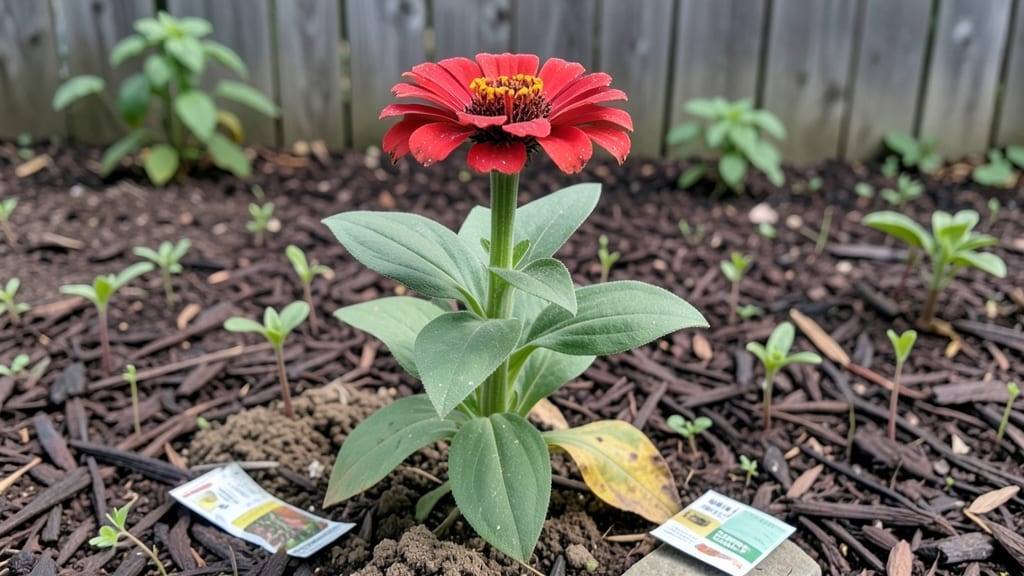
Succession planting zinnias turns a single season of blooms into a year-round display of color—even in my Zone 7 garden where summer heat would otherwise burn out flowers by August. The trick lies in staggered plantings every 4-6 weeks, ensuring fresh zinnias take over as the last ones fade.
I’ve done this for three seasons now, and my front yard stays vibrant from June through frost, with minimal extra effort.
You’ll need three simple batches of seeds, well-drained soil, and a sunny spot that gets at least 6-8 hours of sunlight daily. Zinnias thrive in average garden soil, but adding a handful of compost at planting gives them the boost they need to bounce back quickly after each succession.
The first planting goes in as soon as soil warms in spring, with follow-ups every 4-6 weeks until mid-summer. Even my black thumb can’t kill these if you keep them watered consistently.
By late summer, you’ll have a nonstop parade of blooms in every color imaginable—deep reds, sunny yellows, and soft pinks—while deterring pests like aphids that adore other summer flowers. The key is thinning seedlings early and deadheading spent blooms to encourage even more flowers.
Once you master the timing, your neighbors will ask how you keep zinnias blooming so effortlessly.
This method works in containers too, making it perfect for small spaces or balconies. Just reduce spacing slightly and use larger pots for each succession batch. Whether you’re in a warm climate or cooler region, the principles stay the same—just adjust your planting schedule to match your last frost date.
Let’s get those zinnias blooming all season long.
📚 In This Guide
- What you need
- Instructions
- Tips and common mistakes
- Wrapping up and next steps
What you need
- ● Zinnia seeds: Choose fast-growing varieties like Benary’s Giant or Profusion (1–2 seed packets per succession, ~100–200 seeds total).
- ● Seed-starting mix: 1–2 bags (10–20 quarts) of sterile, well-draining potting soil.
- ● Garden soil: Enriched with compost (1–2 cubic yards for in-ground planting).
- ● Fertilizer: Balanced 10-10-10 or slow-release granular fertilizer (1–2 lbs per 100 sq ft).
- ● Mulch: Organic mulch (straw or shredded leaves) to retain moisture (1–2 bags per planting area).
- ● Gloves: A pair of gardening gloves to protect your hands.
- ● Hand trowel or transplanting spade: For digging small holes (1–2 tools).
- ● Watering can or hose with a gentle spray nozzle: For consistent moisture.
- ○ Plant markers or stakes: To label planting dates (optional but helpful!).
- ● Pruners or scissors: For deadheading spent blooms (small pair for precision).
- ● Sunny spot: Full sun (6+ hours daily) for optimal growth.
- ● Well-draining soil: Amend clay soil with compost if needed.
- ● Weather watch: Plant first succession when soil is at least 60°F (15°C).
- ● Spacing plan: Seedlings 12–18 inches apart; succession plantings 2–3 weeks apart.
How to succession plant zinnias for nonstop color
Here's the simple system I've used to keep zinnias blooming all season long—no gaps, no guesswork.
Plan Your Three Planting Windows
Zinnias thrive in cool weather but bolt in summer heat, so timing matters. Start your first batch 4-6 weeks before your last frost date—this gives them time to mature before summer arrives. The second planting goes in 4-6 weeks after the first, and the third 4-6 weeks after the second. This staggered approach ensures blooms from early spring through fall.
Check your local frost dates and mark these windows on your calendar. I like to plant mine in late April, late June, and early August in my zone 7 garden. If you live in a warmer climate, adjust the second planting to early July and the third to mid-August to avoid summer heat stress.
Prepare the Soil and Plant the First Batch
Zinnias love well-draining soil rich in organic matter. Work 2-3 inches of compost into the top 6 inches of soil before planting. Loosen the soil to a depth of 12 inches with a garden fork—this helps roots establish quickly. For containers, mix 1 part compost into 3 parts potting mix to ensure good drainage.
Sow seeds ¼ inch deep, spacing them 6-12 inches apart in rows 12-18 inches apart. If you're using transplants, space them 8-12 inches apart to allow airflow and prevent disease. Water gently but thoroughly after planting to settle the soil around the seeds or roots. Keep the soil consistently moist—not soggy—until germination, which typically takes 7-14 days depending on your climate.
Thin Seedlings and Provide Care
Once seedlings reach 2-3 inches tall, thin them to your planned spacing. Use scissors to snip unwanted seedlings at the base—this prevents disturbing the roots of the plants you're keeping. If you're growing zinnias in containers, thin to 1-2 plants per 6-inch pot to avoid overcrowding.
Zinnias need full sun—at least 6-8 hours daily—to produce their best blooms. Water at the base of the plant once a week during dry spells, aiming for 1 inch of water per week. Avoid wetting the foliage to prevent fungal diseases like powdery mildew. Fertilize lightly with a balanced 10-10-10 fertilizer every 4-6 weeks to encourage steady growth without excessive foliage.
Harvest and Reset for the Second Planting
When the first batch of zinnias starts to fade—usually 8-10 weeks after planting—it's time to harvest and prep for the second succession. Deadhead spent blooms by pinching off the faded flowers just above a set of leaves. This encourages the plant to produce more blooms and extends the flowering period.
At the same time, sow your second batch of seeds 4-6 weeks after the first planting. Follow the same soil prep and planting steps, but choose a slightly shadier spot if your summer sun is intense. Zinnias can handle some afternoon shade, which helps them thrive in hotter months. Keep the soil moist but not waterlogged, and watch for germination in 7-14 days.
Repeat and Maintain for Continuous Blooms
Repeat the process for your third planting, adjusting the timing based on your climate. In cooler regions, the third batch might bloom into early fall, while in warmer areas, it could extend blooms until frost. Once your zinnias are established, they're low-maintenance—just keep deadheading and watering deeply once a week during dry spells.
Here's the thing—zinnias are tough and forgiving. If you miss a planting window, don't stress. Even a single batch will give you weeks of vibrant blooms. The key is consistency: plant, thin, deadhead, repeat. Before you know it, your garden will be a nonstop zinnia show from spring to fall.
Tips & tricks for perfect succession planting of zinnias
These simple strategies will help you avoid common pitfalls and maximize your zinnia blooms all season long.
Timing is Everything: The 4-6 week intervals between plantings are non-negotiable for continuous blooms. I recommend marking these dates on your calendar right away—missed windows mean gaps in your color display. For example, if your last frost is April 15th, your first planting should be March 15th, second April 30th, and third June 15th. This staggered approach creates a seamless transition from one batch to the next.
Soil Preparation Secret: Don't skip the 12-inch deep soil loosening in Step 2—zinnias develop strong taproots that need room to establish. I like to add a handful of perlite to my compost mix for containers to ensure that perfect drainage. The 2-3 inches of compost should be well-aged; fresh compost can burn tender seedlings. For garden beds, work the compost into the top 6 inches before planting to give roots immediate access to nutrients.
Thinning Technique: When thinning seedlings to 6-12 inches apart in Step 3, use clean scissors to avoid damaging nearby plants. I've found that thinning at the 2-3 inch height mark gives roots enough space to develop without overcrowding. For containers, limit to 1-2 plants per 6-inch pot—this prevents competition for water and nutrients that can stunt growth.
Deadheading Discipline: The 8-10 week mark when your first batch starts fading is your cue to deadhead regularly. I set a reminder on my phone to check zinnias every 3-4 days during peak bloom. Pinching off spent flowers just above a leaf node encourages the plant to produce more blooms, extending the flowering period by up to 3 weeks. This simple habit makes all the difference between sporadic blooms and continuous color.
Pro Tips for Succession Planting Zinnias
- These simple strategies will help you avoid common pitfalls and maximize your zinnia blooms all season long.
- Timing is Everything: The 4-6 week intervals between plantings are non-negotiable for continuous blooms.
- Soil Preparation Secret: Don't skip the 12-inch deep soil loosening in Step 2—zinnias develop strong taproots that need room to establish.
Frequently asked questions
Got questions about keeping your zinnias blooming all season long? We’ve got answers!
Here are some of the most common queries about succession planting zinnias, from timing to troubleshooting.
What’s the best time to start my first zinnia succession?
For a continuous bloom, start your first succession 6–8 weeks before your last frost date. If you’re in a warm climate (like Zones 8–10), you can plant your first batch as early as February or March. For cooler regions, aim for late March to early April.
How often should I plant new zinnia seeds for nonstop blooms?
Space your successions every 2–3 weeks after the first planting. This ensures that as one batch starts fading, another is just beginning to flower. In hot climates, you can even plant every 10–14 days for a seamless display!
Can I use transplants instead of seeds for succession planting?
If you prefer transplants, buy young zinnias (about 3–4 inches tall) and plant them every 3–4 weeks. Just make sure to harden them off first—zinnias thrive when they’re acclimated to outdoor conditions. Transplants can give you a head start on blooms!
What should I do if my zinnias get pests or diseases?
Zinnias are generally tough, but watch for aphids, spider mites, or powdery mildew. For pests, spray with neem oil or introduce ladybugs. If you spot mildew, improve airflow and avoid overhead watering. Remove affected leaves promptly to keep your plants healthy and blooming.
Will succession planting work for all zinnia varieties?
Yes! Whether you’re growing Benary’s Giant, Profusion, or Angel Wings, succession planting works for most varieties. Just note that dwarf zinnias (like Thumbelina) have shorter bloom times, so you may need to plant them more frequently—every 2 weeks—to maintain color.
Wrapping up and next steps
Succession planting zinnias is your secret to a nonstop parade of color—no dead zones, just endless blooms! By staggering your plantings every 3-4 weeks, you’ll turn your garden into a vibrant, ever-changing masterpiece.
Whether you’re a seasoned gardener or just starting, this method is simple, rewarding, and guaranteed to impress.
Ready to dive in? Grab your seeds, mark your calendar, and start your first succession today! Your future self (and your bees!) will thank you. 🌸✨