
Pruning
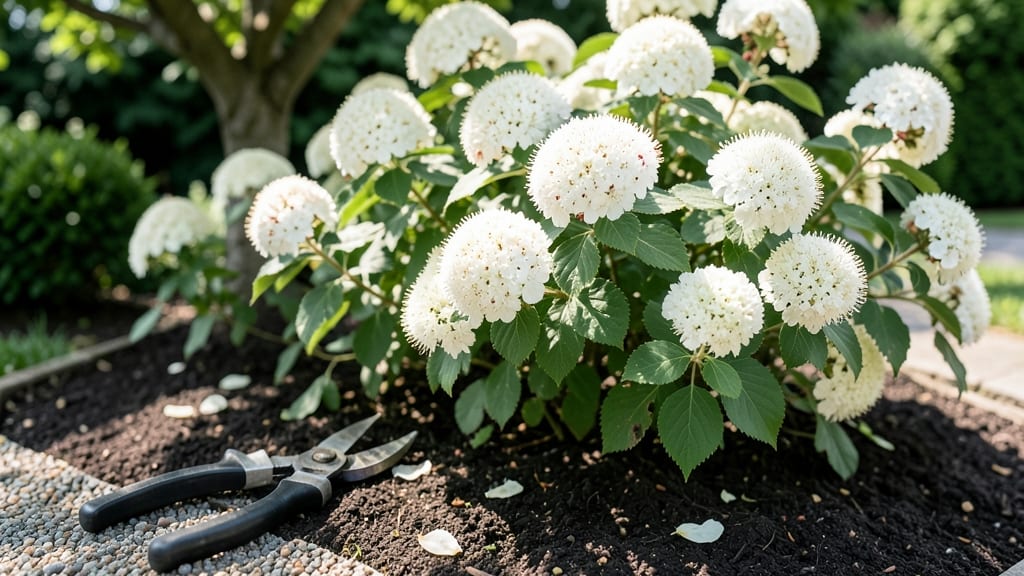
Pruning snowball plants (Viburnum opulus) transforms leggy shrubs into dense, flowering powerhouses—here’s how to do it right. I’ve turned my once-sparse snowball bushes into blooming clouds by mastering three simple cuts, and you can too.
The key? Timing, sharp tools, and knowing which stems to keep (and which to say goodbye to).
Most gardeners prune too late or too aggressively, but the best time is right after blooming—usually late spring or early summer. Grab your pruners, sterilize the blades with rubbing alcohol, and focus on removing one-third of the oldest stems at the base.
This encourages fresh growth and keeps the plant compact. Avoid cutting into old wood—it won’t regrow, and you’ll end up with bare spots.
After trimming, your snowball plant will reward you with thicker foliage and longer clusters of white blooms next season. The secret? Pruning forces energy into new shoots, not just flowers. By next spring, you’ll have a bush so full of blooms, neighbors will ask for cuttings.
For rejuvenation pruning (if your plant’s gotten really woody), wait until late winter and cut back half the oldest stems—it’s drastic but works wonders.
This method works for all Viburnum opulus varieties, whether you’re growing them as hedges, specimen plants, or in mixed borders. Just remember: less is more—over-pruning stresses the plant, while gentle cuts keep it thriving for decades. Now grab those shears and let’s get to work!
Root Causes Of Overgrowth
Your Viburnum opulus (snowball plant) may need pruning more often than you’d like due to a mix of natural growth habits and environmental factors. Understanding these causes helps you intervene at the right time—before the plant becomes unruly. Here’s why overgrowth happens, broken down into key triggers:
The snowball plant is a deciduous shrub with a fast-growing, multi-stemmed structure. Its scientific name, Viburnum opulus, hints at its tendency to branch prolifically—especially when happy. Here’s the science:
- Layered branching: Snowball plants produce lateral buds along their stems, which sprout into new shoots if left unchecked. This creates a dense, bushy habit that can quickly outgrow its space.
- Succulent stems: Young growth is soft and flexible, making it prone to bending or flopping under the weight of new leaves or flowers. Pruning encourages sturdier, upright stems by redirecting energy to structural support.
- Flowering stimulus: The plant’s iconic snowball-shaped blooms form on second-year wood (stems that are 1–2 years old). Without pruning, older stems lose vigor, while younger shoots crowd out flowering sites.
Actionable insight: If you’ve noticed your plant looking leggy or top-heavy, it’s likely prioritizing vertical growth over bushiness—time to prune!
Snowball plants thrive in partial shade to full sun, but their growth patterns shift dramatically based on light, water, and soil conditions. These factors can accelerate or distort their natural shape:
| Factor | How It Triggers Overgrowth | Signs to Watch For |
|---|---|---|
| Excess sunlight | Plants in full sun grow taller and leggier to reach shade, stretching stems and reducing bushiness. They also bolt flowers (produce blooms too early), weakening structural growth. | Long, thin stems with sparse leaves; flowers appearing in late winter/early spring. |
| Overwatering | Consistently wet soil promotes soft, weak stems that flop or break. The plant diverts energy to leafy growth over woody structure. | Yellowing leaves; stems with mushy bases; root rot (black, foul-smelling roots). |
| Poor drainage | Compacted or clay-heavy soil strangles roots, forcing the plant to sprout new stems from the base (a process called suckering) to escape suffocation. | Crowded base with puppy-like shoots; stunted top growth. |
| Fertilizer overload | High-nitrogen fertilizers boost leafy growth at the expense of flowering and woody structure. The plant becomes a leafy monster instead of a balanced shrub. | Dark green, glossy leaves with few blooms; stems that sprout like weeds. |
Pro tip: 🌡️ If your plant is top-heavy or flopping, it’s likely reacting to one of these stressors. Adjust care before pruning—e.g., move to partial shade or improve drainage—to make trimming more effective.
Snowball plants reward regular pruning with better blooms and shape—but skipping it leads to a cascade of problems. Here’s how neglect compounds:
- Stem aging: Without pruning, older stems (3+ years) become woody and brittle, while younger stems take over. This creates a layered look (tall center, bare lower branches).
- Flower decline: Snowball plants bloom on second-year wood. If you never prune, the flowering framework ages out, and new growth lacks blooms.
- Disease entry points: Dense, unpruned foliage traps moisture, creating ideal conditions for powdery mildew or bacterial leaf spot. Pruning improves airflow and sunlight penetration.
- Root competition: Overcrowded stems compete for nutrients, leading to smaller leaves and weaker stems.
Warning sign: If your plant has bare patches at the base or fewer flowers than expected, it’s likely suffering from pruning neglect. The good news? Strategic pruning can revive it in just one season.
Key takeaway: Overgrowth isn’t just about the plant being “too big”—it’s a symptom of its growth habits, environment, or lack of maintenance. By identifying the root cause, you can prune smarter, not harder.
Revive Your Snowball Plant
If your snowball plant (often Viburnum opulus) has lost its luster, proper pruning can work wonders. Whether it’s leggy growth, sparse blooms, or an unruly shape, these targeted fixes will help you restore its health and beauty.
Below, we’ll break down common issues and the best ways to address them—along with tips to keep your plant thriving long-term.
Cause: Lack of pruning over time leads to long, bare stems and fewer blooms. Fix:
Prune in early spring (just before new growth starts) or right after flowering to encourage bushier, denser foliage.
- 🔪 Cut back 1/3 of the oldest stems to the ground—this stimulates fresh growth from the base.
- 🌱 Trim leggy branches by shortening them by half, cutting just above a leaf bud or lateral branch.
- 🌸 Remove any dead or crossing branches to improve airflow and reduce disease risk.
Pro Tip: ⏰ Never prune in late summer or fall—this can stimulate tender new growth that won’t survive winter.
Cause: Over-pruning, poor nutrition, or pruning at the wrong time can reduce flowering. Fix:
Snowball plants bloom on second-year wood, so timing is key!
- 🌺 Prune immediately after blooms fade (late spring) to allow energy to focus on next year’s flowers.
- 💡 Avoid heavy pruning in spring—stick to light shaping to preserve last year’s flower buds.
- 🌱 Fertilize in early spring with a balanced, slow-release fertilizer to support blooming.
Pro Tip: 🎯 If your plant hasn’t bloomed in years, it may need a rejuvenation prune—cut back up to 50% of the oldest stems to reset growth.
Cause: Fungal issues (like powdery mildew) or pests (aphids, spider mites) weaken the plant. Fix:
First, remove affected leaves or stems and dispose of them properly.
- 🧼 Clean tools with rubbing alcohol before and after pruning to prevent spreading disease.
- 🌿 Improve airflow by thinning dense branches—this helps foliage dry faster and reduces humidity.
- 💧 Water at the base (not overhead) to minimize fungal spores.
- 🐞 Spray with neem oil or insecticidal soap if pests are present.
Pro Tip: 🌡️ Mulch around the base with organic matter to improve soil health and deter pests.
Cause: Lack of structure or aggressive growth habits. Fix:
Shape your snowball plant for a fuller, more compact look.
- 👨🍳 Step back and visualize—aim for a balanced, rounded shape.
- 🔪 Cut branches at a 45-degree angle just above a bud or lateral branch for cleaner regrowth.
- 🌿 Pinch back new growth in early summer to encourage branching.
Pro Tip: ✨ Use hand pruners for small branches and loppers for thicker stems—never use hedge trimmers, as they can damage the plant.
Keep your snowball plant looking its best with these easy maintenance habits:
- ⏰ Prune annually—consistency is key to avoiding drastic cuts later.
- 🌱 Plant in full sun to partial shade—at least 4-6 hours of sunlight daily.
- 💧 Water deeply but infrequently—snowball plants prefer well-draining soil.
- 🍄 Monitor for pests early—catch issues before they spread.
- 🌿 Fertilize lightly in spring—too much can lead to leafy growth at the expense of flowers.
Frequently asked questions about snowball plant care
When is the best time to prune my snowball bush?
Prune immediately after flowering in late spring or early summer for optimal results. This timing ensures you don't cut off next year's flower buds while still encouraging dense, healthy growth. Avoid pruning in fall or winter, as this can stimulate tender new growth that won't survive cold temperatures.
How much should I trim back my snowball plant?
For regular maintenance, remove about one-third of the oldest stems at the base. For rejuvenation (if your plant is very overgrown), you can cut back up to half of the oldest stems in late winter. Never remove more than 30% of the plant's foliage in a single season to avoid stressing it.
Why aren't my snowball plant blooms as full as they used to be?
Snowball plants bloom on second-year wood, so over-pruning or pruning at the wrong time can reduce flowering. Focus on light shaping after blooms fade, and avoid heavy cuts in spring. If blooms have disappeared entirely, your plant may need a rejuvenation prune—cut back up to 50% of the oldest stems to reset growth.
Can I prune my snowball plant into a specific shape?
Yes! Snowball bushes respond well to shaping. Step back and visualize a balanced, rounded form, then cut branches at a 45-degree angle just above a leaf bud. For a more formal look, you can also pinch back new growth in early summer to encourage branching. Just avoid using hedge trimmers, which can damage the delicate stems.
What should I do if my snowball plant looks leggy or sparse?
Leggy growth usually means your plant needs more light or has been over-pruned. Move it to a sunnier spot (but avoid harsh afternoon sun) and in early spring, cut back half of the longest branches to encourage bushier growth. Also, remove any dead or crossing branches to improve airflow and reduce disease risk.