
Companion Plants
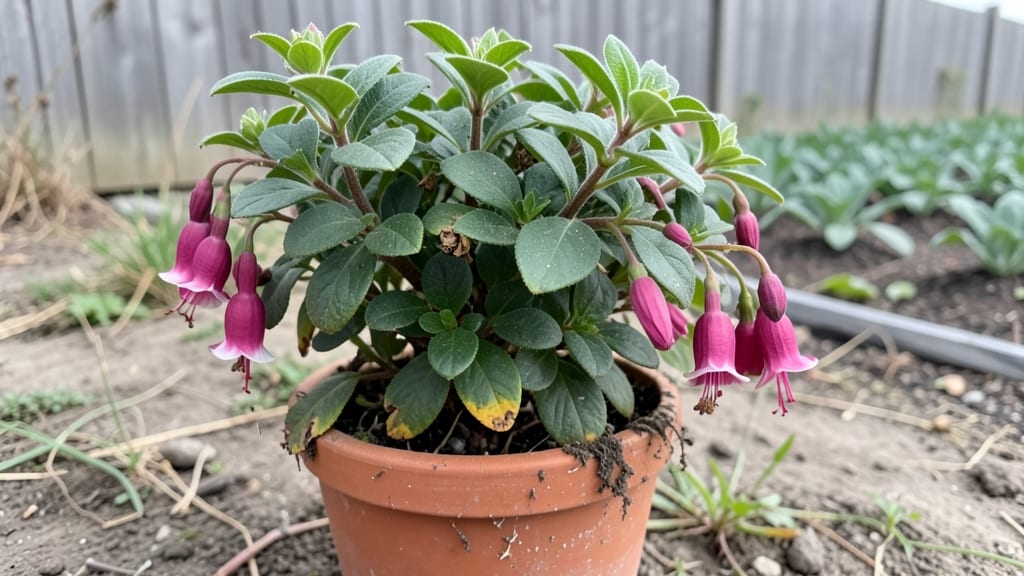
Growing small fuchsia plants in hanging baskets transforms any porch or patio into a jewel-toned waterfall of blooms. 🌿 I’ve turned my balcony into a nonstop floral display by mastering their light, water, and pruning needs—no green thumb required.
The key is matching their tropical roots to your space, whether that’s a sunny windowsill or a shady corner.
You’ll need well-draining potting mix, a 10-12 inch hanging basket, and a spot with 4-6 hours of morning sun. Fuchsias hate soggy feet, so I use terracotta pots to prevent root rot and fertilize lightly every 2-3 weeks during bloom time.
The secret to year-round flowers? Pruning leggy stems in early spring and pinching back new growth to encourage bushiness.
By summer, your baskets will be bursting with velvety blooms in shades of pink, purple, and white. The fragrance alone—lightly sweet with a hint of honey—makes it worth the effort.
Even my black thumb keeps these thriving, and the best part? They bloom continuously if you deadhead spent flowers and adjust watering as seasons change.
Works in zones 5-10, though tender fuchsias need winter protection in colder climates. Bring them indoors near a bright window or overwinter in a 50-60°F garage with grow lights. Once you’ve got the basics down, you’ll be swapping baskets with neighbors and wondering how you ever lived without them.
📚 In This Guide
- What you need
- Instructions
- Tips and common mistakes
- Wrapping up and next steps
What you need
- ● Small fuchsia plants: 1-3 plants per 6-8 inch hanging basket (or 1 per 10-12 inch container). Choose compact varieties like 'Little Doll' or 'Giantess' for petite spaces.
- ● Well-draining potting mix: 1-2 bags (1-2 cubic feet each) of a lightweight blend (e.g., 50% peat moss, 30% perlite, 20% compost). Avoid heavy garden soil!
- ● Hanging baskets or containers: 6-8 inch baskets: For 1-2 small fuchsias (ensure drainage holes!)
- ● 10-12 inch containers: For 1-3 plants (add saucers to prevent messes)
- ● Slow-release fertilizer: 1-2 tablets or 1 cup of granules (14-14-14 NPK ratio) mixed into the soil at planting.
- ● Gloves: 1 pair (gardening gloves to protect hands from soil and thorns).
- ● Trowel or small shovel: 1 (for transplanting and mixing soil).
- ● Watering can or spray bottle: 1 (with a fine rose nozzle to avoid disturbing soil).
- ● Scissors or pruners: 1 pair (sterilized with rubbing alcohol for trimming dead blooms or leggy stems).
- ○ Moss or coconut coir: Optional (1 small bag) for lining baskets to retain moisture.
- ○ Mulch (optional): 1 bag of orchid bark or fine pine bark to top-dress soil and conserve water.
- ● Sunlight location: A spot with morning sun and afternoon shade (or bright, indirect light indoors).
Step-by-step instructions for growing small fuchsia plants in hanging baskets
Here's how to cultivate compact fuchsias that thrive year-round with minimal fuss.
🪴 Step 1: Select the Right Containers and Drainage
Choose 6-8 inch diameter hanging baskets with multiple drainage holes—fuchsias despise soggy roots. I opt for coconut fiber baskets because they retain moisture while allowing airflow. Line the bottom with 1 inch of sphagnum moss to prevent soil from washing out while still ensuring proper drainage.
Place the basket over a saucer or tray to catch excess water and keep your surfaces clean. The moss layer will break down slightly over time, enriching the soil naturally. If your baskets lack drainage, drill ¼ inch holes along the bottom edge—just enough to let water escape but not so large that soil escapes.
🌱 Step 2: Prepare Lightweight, Well-Draining Potting Mix
Fill the basket with a custom fuchsia mix using 2 parts peat moss, 1 part perlite, and 1 part vermiculite. This combination ensures fast drainage while holding enough moisture for fuchsias' delicate roots. Avoid garden soil—it compacts and suffocates fuchsias, leading to root rot.
Moisten the mix with lukewarm water until it feels like a damp sponge—squeeze gently to test. The soil should hold together but not drip. I like to add 1 tablespoon of balanced 10-10-10 fertilizer per basket to give the plants a slow-release nutrient boost right from the start.
✂️ Step 3: Plant Compact Fuchsia Varieties Correctly
Select dwarf or compact fuchsia varieties like 'Little Doll' or 'Tom Thumb' for hanging baskets. Gently remove the plant from its nursery pot and loosen the roots if they're circling. Place the plant in the center of the basket so the top of the root ball sits ½ inch below the rim—this prevents soil from spilling out when watering.
Fill the gaps around the roots with your prepared mix, pressing lightly to eliminate air pockets. Water thoroughly until water runs freely from the drainage holes. Fuchsias hate dry soil, but they also can't tolerate waterlogged conditions. You'll know you've got it right when the soil surface looks evenly moist but not glistening.
☀️ Step 4: Position for Bright, Indirect Light
Fuchsias thrive in morning sun with afternoon shade—direct afternoon rays scorch their delicate blooms. Place your baskets near an east-facing window or under a 30% shade cloth if outdoors. If using grow lights, position them 12-18 inches above the plants for 14-16 hours daily of light.
Rotate the baskets quarter-turn weekly so all sides receive even light exposure. You'll notice new growth leaning toward the light—this is normal, but consistent rotation prevents lopsided plants. In winter, supplement with grow lights if natural light drops below 8 hours daily—fuchsias need this consistency to bloom year-round.
💧 Step 5: Water and Feed for Continuous Blooms
Water when the top inch of soil feels dry—fuchsias wilt quickly when thirsty but recover fast if caught early. I use the "finger test" method: stick your finger 1 inch deep into the soil. If it feels dry, water deeply until water drains from the bottom. Empty saucers after 10 minutes to prevent root rot.
Feed every 2-3 weeks with a balanced liquid fertilizer (like 20-20-20) during growing season. Reduce to monthly in winter. Deadhead spent blooms by pinching off the small stem below the flower—this encourages new buds to form. You'll see a flush of fresh blooms within 2-3 weeks of consistent care.
Tips & tricks for perfect small fuchsia plants in hanging baskets
A few clever strategies will help your compact fuchsias thrive year-round with vibrant blooms and minimal fuss.
Container Selection Secret: The 6-8 inch diameter range is ideal because it balances root growth with hanging basket stability. For extra security, use a lightweight basket that won't pull down over time. I've found that plastic baskets with built-in drainage work well if you're concerned about coconut fiber durability. The key is ensuring the basket can comfortably hold your plant's mature size while maintaining proper drainage - this prevents both root suffocation and waterlogging.
Soil Mix Mastery: When preparing your 2 parts peat moss, 1 part perlite, and 1 part vermiculite mix, sift all components through a fine mesh screen first. This eliminates clumps that could disrupt drainage. I also recommend adding ½ cup of coarse sand to the mix for even better aeration—this helps prevent the compacting that leads to root rot. The goal is a soil texture that resembles damp potting soil but with noticeable air pockets when squeezed.
Light Positioning Pro: The 14-16 hours of daily light requirement is crucial for continuous blooming. In winter when natural light drops below 8 hours, supplement with grow lights positioned 12-18 inches above. I've found that LED grow lights with a 6500K color temperature work best for fuchsias. Place your baskets where they'll receive morning sun and afternoon shade—this prevents leaf scorch while still providing the light intensity needed for vibrant blooms.
Watering Wisdom: The 10-minute drainage rule after watering is non-negotiable for fuchsias. I've developed a simple test: After watering, lift the basket and check the bottom—if water is still dripping, let it continue for another 5 minutes. This ensures complete drainage without over-saturating the soil. Emptying saucers after 10 minutes prevents salt buildup from mineral deposits in tap water, which can damage delicate fuchsia roots over time.
Pro Tips for Small Fuchsia Plants
- A few clever strategies will help your compact fuchsias thrive year-round with vibrant blooms and minimal fuss.
- Container Selection Secret: The 6-8 inch diameter range is ideal because it balances root growth with hanging basket stability.
- Soil Mix Mastery: When preparing your 2 parts peat moss, 1 part perlite, and 1 part vermiculite mix, sift all components through a fine mesh screen first.
Frequently asked questions
Got questions about keeping your small fuchsia plants thriving? You’re not alone! Here are answers to the most common queries—from care tips to troubleshooting—so you can enjoy those stunning blooms all year long.
How often should I water small fuchsia plants in hanging baskets?
Water your fuchsias when the top inch of soil feels dry—typically every 2–3 days in summer and once a week in winter. Hanging baskets dry out faster, so check moisture daily in hot weather. Pro tip: Use room-temperature water and avoid soggy soil to prevent root rot.
Can small fuchsias survive winter outdoors, or do they need protection?
Most fuchsias are tender perennials and won’t survive freezing temps. Move potted plants indoors before frost (below 40°F/4°C) or wrap baskets in burlap for light protection. If you live in a mild climate (Zone 9+), mulch heavily and choose cold-hardy varieties like Fuchsia magellanica.
Why aren’t my small fuchsia plants blooming? What can I fix?
Lack of blooms often stems from too much sun (fuchsias prefer morning light + afternoon shade), over-fertilizing with high nitrogen (use a balanced bloom booster instead), or not enough humidity. Trim leggy stems to encourage bushiness, and mist leaves or use a pebble tray to boost moisture.
What are the best alternatives to small fuchsias for hanging baskets?
If fuchsias aren’t your style, try these low-maintenance, trailing beauties:
- Begonias (drought-tolerant, colorful foliage)
- Lobelia (compact, blue/purple blooms, loves water)
- Petunias (bold flowers, thrive in heat)
- Creeping Jenny (golden foliage, shade-friendly)
How do I deal with pests like aphids or spider mites on my fuchsias?
Start by hosing off pests with water (aphids hate this!). For stubborn infestations, use neem oil (mix 1 tsp per quart of water) or insecticidal soap. Prevent future issues by keeping plants healthy—stress attracts pests! Bonus: Ladybugs are natural aphid predators; invite them with marigolds nearby!
Do small fuchsias need pruning? When and how?
Yes! Prune in early spring to shape plants and encourage blooms. Cut back leggy stems by ⅓ and remove dead flowers (deadheading) regularly. Use clean scissors and sterilize with rubbing alcohol between cuts. Pro move: Pinch back new growth to promote bushier, fuller plants.
Wrapping up and next steps
Growing small fuchsia plants is a rewarding way to add vibrant color and charm to your garden or home—no matter the season! 🌸 With the right care, these cheerful bloomers thrive in hanging baskets, containers, or even as part of mixed companion plantings.
Whether you’re a beginner or a seasoned gardener, their easygoing nature makes them a perfect addition to any space.
Ready to take the next step? Start by selecting your favorite fuchsia variety, gather your supplies, and give these beauties the love they deserve. Soon, you’ll be enjoying year-round blooms that brighten up every corner! 🌿