
Pruning
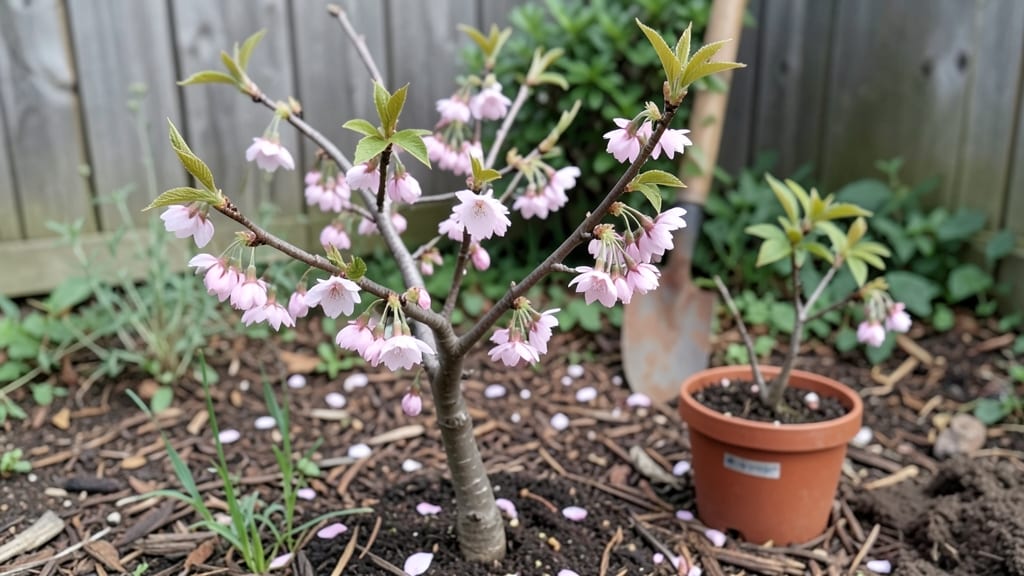
Planting a sakura tree means pink clouds of springtime blooms for years to come—if you follow the right steps. 🌸 I learned the hard way that most guides skip the critical details about soil, sunlight, and timing that separate a thriving tree from a sad, struggling one.
The secret isn't complicated, but it's not what you'd expect either.
You'll need well-draining soil (no heavy clay), a spot with full sun for at least six hours a day, and a spot where the tree has room to grow—think 15-20 feet of space for mature branches.
The best time to plant is early spring, just as buds begin to swell but before leaves emerge. Most beginners overwater or plant too deep, both of which strangle roots before they even start.
Once planted, you'll see the first flush of pink blooms in 3-5 years, but the real magic happens when you master those three simple pruning steps that keep the tree healthy and flowering.
Proper pruning after planting ensures strong branches and fewer diseases—something I wish I'd known before my first tree's branches started looking like a bird's nest.
This method works in temperate climates from zones 5-8, though southern gardeners should choose late-blooming varieties to avoid frost damage. The key is patience—sakura trees reward long-term care with breathtaking displays that turn your yard into a living painting. Let's get those roots in the ground the right way.
📚 In This Guide
- What you need
- Instructions
- Tips and common mistakes
- Wrapping up and next steps
What you need
- ● Sakura tree sapling: Choose a Prunus serrulata (or similar species) from a reputable nursery. Opt for a 1-3 gallon container-grown tree for easier planting.
- ● High-quality potting soil: 50 lbs of well-draining, slightly acidic (pH 5.5-6.5) soil mix (e.g., 60% topsoil, 30% compost, 10% perlite/sand).
- ● Organic mulch: 3-5 cubic feet of wood chips or shredded bark (avoid fresh mulch—it can burn roots!).
- ● Slow-release fertilizer: 10-10-10 NPK ratio (e.g., 1 lb per 100 sq ft of planting area).
- ● Shovel or spade: 18-inch garden shovel for digging the hole.
- ● Pruning shears: Bypass pruners (sharp and clean for post-planting trimming).
- ● Gloves: Heavy-duty gardening gloves (sakura saplings can have thorns!).
- ● Watering can or hose: With a gentle spray nozzle for hydration.
- ● Measuring tape or ruler: To ensure proper planting depth.
- ○ Staking kit (optional): 2 wooden stakes + twine if planting in windy areas.
- ● ✅ Check planting season: Late fall to early spring (avoid extreme heat—sakura trees hate stress!).
- ● ✅ Test your soil: Use a pH test kit to confirm acidity levels (adjust with sulfur if needed).
- ● ✅ Choose the right spot: Full sun (6+ hours/day) and well-draining soil (sakura roots hate soggy feet!).
- ● 💡 Pro tip: If planting multiple trees, space them 15-25 feet apart for mature growth.
How to plant a sakura tree for stunning spring blooms
Here’s the straightforward approach I’ve used to plant sakura trees—no fancy tools, just a few key moves for healthy growth.
🌱 Step 1: Choose the Right Spot and Dig the Hole
Sakura trees thrive in full sun (at least 6 hours daily) and well-draining soil. Pick a location with space for mature branches—these trees grow 20-30 feet tall. Dig a hole twice as wide as the root ball but only as deep—planting too deep suffocates roots.
Loosen the soil at the bottom of the hole with your hands or a trowel. This prevents compaction and helps roots spread quickly. If your soil is heavy clay, mix in a few inches of compost to improve drainage. Sakura trees hate soggy feet, so avoid low spots where water pools.
🪴 Step 2: Position and Backfill the Tree
Place the sakura tree in the hole so the top of the root ball sits 1-2 inches above ground level. This prevents settling later. Gently spread the roots outward—don’t bend them sharply, or you’ll damage them. Fill the hole with native soil, tamping lightly every 6 inches to remove air pockets.
Water deeply right after planting to settle the soil around roots. You’ll see water bead on the surface—that’s your signal the roots are making contact with moist soil. Avoid mulching yet; wait until the tree’s established to keep moisture in and weeds out.
☀️ Step 3: Water and Prune for Strong Growth
Keep the soil consistently moist (not soggy) for the first 2-3 weeks. Water deeply 2-3 times per week, then taper to once a week once leaves appear. Sakura trees are drought-tolerant once mature, but young roots need steady moisture to anchor.
Prune only to remove dead, broken, or crossing branches—never cut more than 25% of the canopy at once. Wait until late winter or early spring before new growth starts. Use clean, sharp pruners to make cuts just above a bud or branch collar. This simple pruning keeps the tree healthy and encourages abundant blooms.
⏰ Step 4: Protect and Maintain Through Seasons
In the first year, focus on watering and light. If you notice leaves yellowing or wilting, check the soil—it’s likely too dry or compacted. Sakura trees are sensitive to salt, so avoid fertilizing until year two when roots are established.
Watch for pests like aphids or spider mites, which love young sakura leaves. A strong spray of water usually dislodges them, but severe infestations may need neem oil. By spring, you’ll see buds forming—that’s your reward for planting right!
Tips & tricks for perfect sakura tree planting
A few simple tricks will ensure your sakura tree thrives and rewards you with stunning spring blooms year after year.
The Sunlight Secret: While sakura trees need at least 6 hours of sun daily, I’ve found they actually perform best with morning sun and afternoon shade in hotter climates. If your location gets intense afternoon sun, consider planting near a building or tall shrubs for natural shade during peak heat hours. The delicate blossoms appreciate this protection.
Soil Prep That Makes All the Difference: Before digging, test your soil’s drainage by filling a hole with water and timing how long it takes to drain. If it takes more than 6 hours, you’ll need to amend the soil with compost or sand. I’ve seen sakura trees fail spectacularly in soggy soil—trust me on this. A simple percolation test saves heartache later.
Root Ball Positioning: That 1-2 inch elevation above ground level isn’t just about settling—it’s about aeration. When roots breathe properly, they establish faster. I like to make a small mound of soil in the hole center before placing the root ball, then fill around it. This creates natural air pockets while keeping the tree stable.
Watering Wisdom: The 2-3 weeks of consistent moisture are critical, but don’t drown your tree. I use the "sponge test"—press your finger 2 inches into the soil. If it feels dry, water deeply. If it’s still damp, wait another day. Overwatering in the first year causes more problems than underwatering, especially in heavy clay soils.
Pro Tips for Sakura Tree Planting
- A few simple tricks will ensure your sakura tree thrives and rewards you with stunning spring blooms year after year.
- The Sunlight Secret: While sakura trees need at least 6 hours of sun daily, I’ve found they actually perform best with morning sun and afternoon shade in hotter climates.
- Soil Prep That Makes All the Difference: Before digging, test your soil’s drainage by filling a hole with water and timing how long it takes to drain.
Frequently asked questions
Got questions about planting your own sakura tree? You’re not alone! Here are answers to the most common queries to help you get started with confidence.
When is the best time to plant a sakura tree?
The ideal time to plant a sakura tree is in early spring (March–April) or fall (September–October). This gives roots time to establish before extreme heat or cold. Avoid planting in late spring when buds are forming—focus on root growth first!
Can I plant a sakura tree in a pot instead of the ground?
Yes! Sakura trees thrive in containers if you choose a dwarf variety (like ‘Kanzan’ or ‘Shidare Yoshino’). Use a large pot with drainage holes and well-draining soil. Repot every 2–3 years and move it outdoors in spring/summer for sunlight.
How do I protect my sakura tree from frost or cold weather?
Sakura trees are hardy but young saplings need extra care. Mulch the base with wood chips to insulate roots, and wrap the trunk with burlap or frost cloth if temps drop below 20°F. Avoid heavy pruning in winter—wait until late winter/early spring for best results.
Why aren’t my sakura tree’s leaves turning pink or blooming?
Pink leaves or blooms may be delayed due to age, sunlight, or stress. Most sakura trees bloom after 3–5 years. Ensure it gets 6+ hours of sunlight daily and fertilize lightly in early spring. If leaves are pale, check for nutrient deficiencies (like iron) or pests.
Do sakura trees attract bees or other pests?
Sakura flowers are bee-friendly and support pollinators! However, they can attract aphids or spider mites. Spray water on leaves to deter pests, or use neem oil if infestations occur. Prune affected branches promptly to keep your tree healthy.
Wrapping up and next steps
Planting a sakura tree isn’t just about adding beauty to your garden—it’s a celebration of life, patience, and nature’s fleeting magic. 🌸 With the right tools, timing, and a little care, you’ve got everything you need to nurture a tree that will bring joy for decades.
Whether you’re a seasoned gardener or a first-timer, every small step counts!
Ready to watch your sakura thrive? Start by marking your calendar for the best planting season in your region, then gather your supplies and get your hands dirty. The blooms—and the memories—will be worth every moment of effort!