
Companion Plants
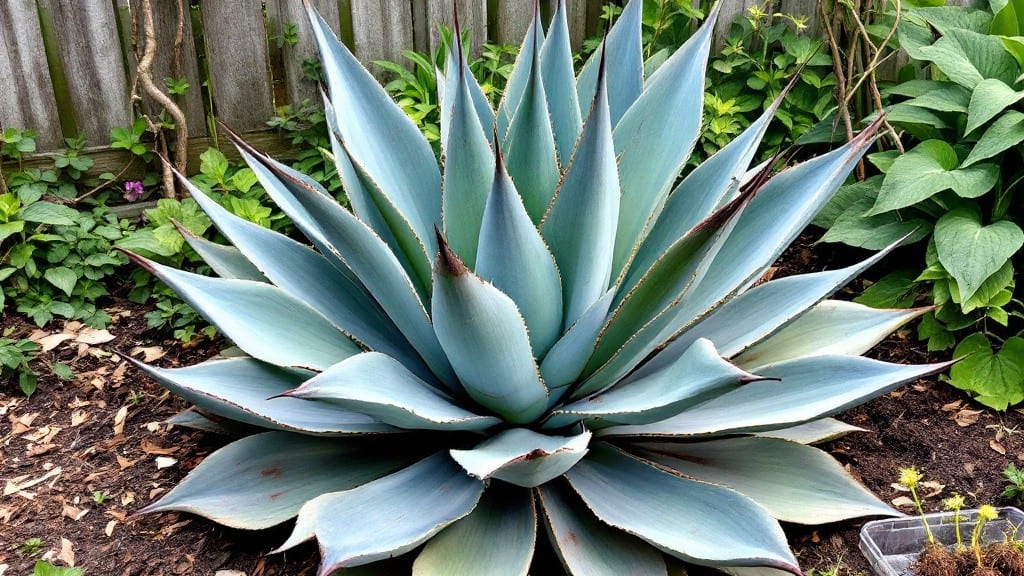
Replanting agave plants can double your plant’s size and vigor if done right. 🌱 I’ve replanted mine every three years, and each time, the roots spread wider, the leaves fill in denser, and the plant just looks happier.
The key isn’t just digging and moving—it’s about giving the roots the space they crave without shocking the plant.
Timing matters most: spring or early fall when temperatures hover between 50°F and 75°F. You’ll need a new spot with full sun, well-draining soil (agave hates soggy roots), and a hole twice as wide as the root ball.
Water lightly before replanting to help roots slide out cleanly—no tugging or breaking those fibrous roots.
After replanting, keep soil moist but not wet for the first two weeks. Then, cut back on watering—agave stores moisture in its leaves, not the soil. Within a season, you’ll see new shoots at the base, proving the roots are happy.
The secret? Less water, more patience, and letting the plant dictate its own pace.
Common mistakes? Overwatering after transplanting or planting too deep—agave crowns rot if buried. And skip the fertilizer for the first month; the plant’s energy should go into root establishment, not leaves.
With the right approach, your agave will reward you with bushier growth and a sturdier base for years to come.
📚 In This Guide
- What you need
- Instructions
- Tips and common mistakes
- Wrapping up and next steps
What you need
- ● Healthy agave pups or offsets: 1–3 per mature agave plant (ensure they’re at least 1/3 the size of the parent plant).
- ● Well-draining cactus/succulent soil mix: 5–10 gallons (avoid regular garden soil—it retains too much moisture!).
- ○ Containers (optional but recommended): Terracotta or ceramic pots (12–18 inches in diameter) for pups.
- ● Larger pots or ground beds (24+ inches) for mature agaves.
- ● Gravel or perlite: 1–2 cups per pot (for drainage).
- ● Garden gloves: 1 pair (to protect your hands from sharp leaves!).
- ● Pruning shears or a clean, sharp knife: 1 (sterilized with rubbing alcohol).
- ● Watering can or hose with a gentle spray nozzle: 1 (avoid overwatering!).
- ○ Slow-release fertilizer (optional): 1–2 tbsp per pot (look for a low-nitrogen, high-phosphorus blend like 5-10-10).
- ● Sunlight: A spot with full sun (6+ hours daily) or bright indirect light.
- ● Warmth: Ideal temps: 70–95°F (21–35°C) (agaves hate cold drafts!).
- ● Patience: Pups take 1–2 years to fully establish.
- ● Drought tolerance: Only water when the soil is completely dry (overwatering = root rot!).
Step-by-step instructions for replanting agave plants
Here's how to refresh your agave's roots for stronger, bushier growth—without stressing the plant.
🌱 Step 1: Choose the Right Time and Prepare the New Spot
Agaves thrive when replanted in early spring or late summer when temperatures stay mild (60-75°F). Pick a location with full sun (6+ hours daily) and well-draining soil—agaves hate soggy roots. If your plant is pot-bound, choose a container 2-3 inches wider than its current home. I always test drainage first by pouring water into the pot; if it pools after 10 minutes, add more perlite or gravel to the mix.
Loosen the soil around the base with a trowel to avoid damaging roots. If replanting in ground, amend the soil with 1 part sand or gravel per 3 parts native soil to prevent compaction. Agaves need room to breathe—never plant deeper than their current soil line, or the plant may rot.
🪴 Step 2: Gently Remove and Inspect the Roots
Water the agave 24 hours before replanting to reduce root shock. Grasp the base firmly and tip the pot to slide the plant out—don’t pull! Shake off old soil to reveal the roots. Healthy roots are firm, white, and fibrous; black or mushy roots mean rot and should be trimmed away with sterilized pruners. I like to soak the roots in lukewarm water for 10 minutes to help them recover before replanting.
If the plant has pups (baby agaves) at the base, separate them now by gently twisting them free. Pups replant easily and multiply your collection. Avoid replanting if the main plant looks stressed—wait until you see new growth at the center before disturbing it again.
💧 Step 3: Replant with Proper Support and Watering
Place the agave in its new home and backfill with native soil mixed with perlite (I use a 1:1 ratio for containers). Press gently around the base to secure it, but don’t compact the soil—agaves need airflow. If replanting in ground, create a slight mound of soil under the plant to ensure it sits at the same depth as before.
Water lightly right after replanting—just enough to settle the soil. Agaves store water in their leaves, so overwatering now will drown the roots. Wait 3-5 days before giving a deeper watering, then let the soil dry completely between waterings for the first month. You’ll know it’s time to water again when the top 2 inches of soil feel dry.
☀️ Step 4: Shield and Monitor for New Growth
Keep the replanted agave in partial shade for 1-2 weeks to reduce stress. Gradually reintroduce full sun over 7-10 days—sudden exposure can scorch leaves. Watch for new growth at the center (a sign the plant is recovering). If leaves yellow or wilt, it’s often a sign of overwatering or poor drainage, not root shock.
Fertilize only after 6 weeks with a balanced, slow-release fertilizer (like 10-10-10). Agaves grow slowly, and feeding too soon stresses their system. By 3 months, you should see bushier growth and stronger roots—proof your replanting paid off.
Tips & tricks for perfect agave replanting
These simple tricks will help your agave thrive after replanting—without the stress of common mistakes.
Timing is Everything: The 24-hour watering before replanting is crucial—it ensures the roots are hydrated but not waterlogged. I've seen agaves reject replanting when roots are too dry or too soggy. If you forget to water ahead of time, give the roots a quick soak in lukewarm water for 10 minutes right before replanting to mimic the preparation. This small step makes all the difference in recovery time.
Root Revival Technique: That 10-minute lukewarm water soak for the roots isn't just a suggestion—it's a game-changer. The gentle warmth helps revive stressed roots and flushes out any old soil debris. I keep a small bucket of lukewarm water handy specifically for this purpose. If you notice any black or mushy roots during inspection, trim them immediately with sterilized pruners to prevent rot from spreading.
Soil Science Matters: The 1:1 soil-to-perlite ratio in containers is non-negotiable for agaves. Perlite creates those essential air pockets that prevent compaction. In ground plantings, that 1:3 sand-to-soil ratio creates similar drainage. I always test my mix by pouring water—if it drains within 10 minutes, I know it's right. For containers, consider adding a layer of gravel at the bottom for extra insurance against water pooling.
Sun Transition Strategy: The gradual sun reintroduction over 7-10 days prevents sunburn that can set your plant back weeks. Start with morning sun only, then slowly increase exposure. I use shade cloth for the first few days if my agave looks stressed. Watch for color changes—healthy new growth should be vibrant green, not yellow or brown. This patience pays off with stronger, bushier plants in just 3 months.
Pro Tips for Replanting Agave Plants
- These simple tricks will help your agave thrive after replanting—without the stress of common mistakes.
- Timing is Everything: The 24-hour watering before replanting is crucial—it ensures the roots are hydrated but not waterlogged.
- Root Revival Technique: That 10-minute lukewarm water soak for the roots isn't just a suggestion—it's a game-changer.
Frequently asked questions
Got questions about replanting agave? You’re not alone—this process can feel tricky! Below, we’ve answered the most common queries to help you confidently revive your agave and encourage lush, bushier growth.
When is the best time to replant agave?
Replant your agave in early spring or late summer when temperatures are mild (60–80°F). Avoid extreme heat or frost—agave roots are sensitive! If you’re dividing pups, spring is ideal since they’ll have time to establish before winter. Pro tip: Wait until after a rain shower to reduce transplant shock.
How do I know if my agave is ready for replanting?
Look for these signs:
- Pups forming: Healthy offshoots at the base mean it’s time to divide.
- Crowded roots: If roots are circling or cramped in the pot, replant ASAP.
- Slow growth: Stunted growth or yellowing leaves can signal root-bound stress.
What if my agave doesn’t survive replanting?
Don’t panic! Most agave struggle briefly but recover. If leaves turn brown or mushy, you may have overwatered or used poor soil. Try these fixes:
- Ensure well-draining soil (cactus/succulent mix + perlite).
- Water only when soil is completely dry—agave hates soggy roots!
- Provide bright, indirect light for 1–2 weeks post-replant.
Can I replant agave in containers instead of the ground?
Containers are great for agave, especially in colder climates. Use a terracotta pot with drainage holes (3–4 inches larger than the root ball) and fill with gritty, fast-draining soil. Repot every 2–3 years to refresh nutrients. Bonus: Container agave is easier to move if frost threatens! →
How long does it take for agave to recover after replanting?
Most agave adapt within 4–6 weeks, but full recovery can take up to 3–6 months, depending on:
- Species (e.g., Agave americana is hardier than Agave parryi).
- Climate (hot/dry = faster recovery than humid areas).
- Care post-replant (light, water, and patience!).
Wrapping up and next steps
Replanting agave plants is your golden ticket to reviving their vigor and unlocking bushier, healthier growth—whether you’re dealing with overcrowding or simply refreshing their space. 🌱 By following the right steps—like choosing the perfect moment, prepping the soil, and giving them space to thrive—you’ll turn potential struggles into a rewarding gardening success story.
Now that you’re armed with the know-how, roll up your sleeves and give your agaves the fresh start they deserve!
Ready to take the next step? Mark your calendar for the ideal replanting window (spring or early fall) and gather your supplies. Watch your agaves flourish as they reward you with striking foliage and resilience!