
Planting
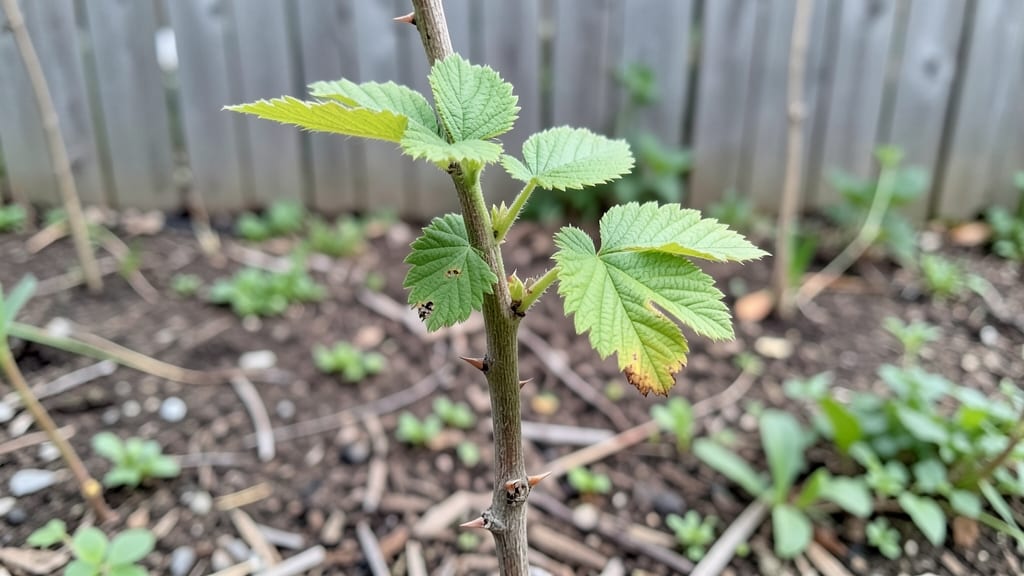
To grow a raspberry plant sprout, plant dormant canes in early spring or fall with roots buried 2-3 inches deep in well-draining soil that gets partial sunlight. Keep soil lightly moist after planting, apply mulch, and shield from frost until new shoots appear in 4-6 weeks.
Raspberry canes need the right balance of moisture and warmth to break dormancy and sprout. The soil temperature should stay between 50-65°F during root establishment, while young shoots thrive with 6+ hours of sunlight daily.
I've found that planting in early spring—just as the ground warms—gives the roots a head start before summer heat arrives. Mulching with straw or wood chips helps maintain even moisture and keeps roots cool during hot spells. 🌱
For fastest results, focus on soil prep first: raspberries prefer slightly acidic soil (pH 5.5-6.5) and hate soggy roots. A mix of compost and perlite improves drainage while retaining nutrients.
If your climate gets harsh winters, protect young canes with extra mulch or frost cloth until they're at least 12 inches tall. Patience pays off—those first leaves signal the plant's energy shift from root growth to foliage development.
💡 In This Article
- Optimal Conditions for Raspberry Plant Germination
- Step-by-Step Raspberry Sprout Care Guide
Optimal conditions for raspberry plant germination
Here's what's actually happening when those first raspberry shoots emerge: the dormant cane needs a precise cocktail of conditions to break dormancy. The soil's acidity level—between pH 5.5-6.5—activates beneficial soil microbes that help break down organic matter into nutrients the roots can absorb immediately.
This acidic environment also prevents fungal diseases that thrive in alkaline soils, which is why many gardeners test their soil before planting. Think of it like creating the perfect pH-balanced smoothie for your plant's roots—too sour or too sweet, and it won't digest properly. 🌱
The temperature range of 50-65°F is critical because raspberry roots are most active in this zone. At these temperatures, enzymes in the root cells work optimally to absorb water and nutrients. Below 50°F, root growth slows dramatically, while above 65°F, the roots can become stressed and even rot.
This is why early spring planting works best in most climates—it gives roots time to establish before summer heat arrives. In warmer zones (like USDA 8-10), fall planting becomes preferable to avoid the intense summer sun.
Sunlight needs go beyond just "partial sun"—raspberries actually require 6-8 hours of direct sunlight daily once established, but young sprouts need protection from intense midday rays. The key is morning sun (which warms the soil) and afternoon shade (which prevents moisture loss).
This balance is why many gardeners plant raspberries near taller plants or use shade cloth during the hottest months. Without proper light exposure, the young canes will grow leggy and weak, unable to support the energy demands of fruit production later. 🌞
Moisture balance is where most beginners struggle—raspberries hate both drought and waterlogged conditions. The soil should stay consistently moist but never soggy, which is why well-draining soil with organic matter is essential.
A good test is to stick your finger 2 inches into the soil: if it feels dry, water lightly. Overwatering triggers root rot by cutting off oxygen supply, while underwatering causes the plant to divert energy from root growth to survival mode.
Mulching with 2-3 inches of straw or wood chips helps maintain this delicate balance by reducing evaporation and temperature fluctuations.
Seasonal timing varies dramatically by climate zone. In colder regions (USDA 3-6), early spring planting (March-April) gives roots time to establish before summer heat, while fall planting (September-October) works better in mild winters.
In warmer zones (USDA 7-10), winter planting (November-January) avoids summer heat stress. The key is planting when soil temperatures consistently stay above 50°F—this ensures roots can absorb water immediately rather than sitting in cold, waterlogged soil. A soil thermometer is your best friend here! 🌡️
What most people don't realize is how climate affects germination timing. In northern climates, you might see first shoots in 4-6 weeks, while southern climates can produce growth in just 2-3 weeks during optimal conditions.
This variation comes from differences in day length, temperature consistency, and soil microbial activity between regions. The science behind this involves photoperiodism—the plant's response to daylight hours—which triggers hormonal changes that break dormancy.
In shorter days (like fall), raspberries naturally prepare for dormancy, which is why fall planting often yields stronger root systems.