
Blooming
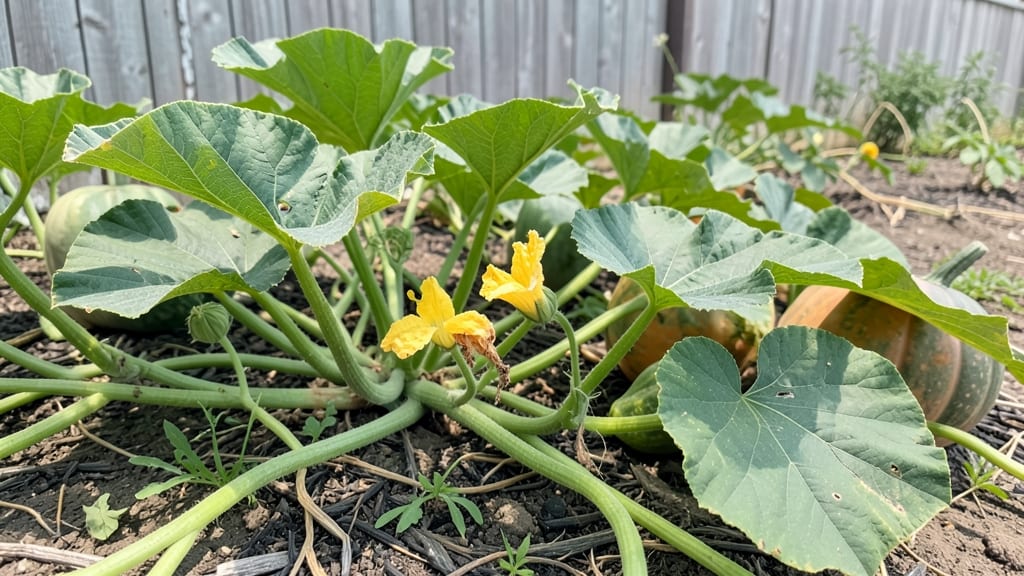
Pumpkin plants blooming like clockwork means summer’s golden promise is already here—even if your variety isn’t a traditional fall giant. 🌻 I’ve watched my vines produce dozens of blooms in just 6 weeks by mastering the balance of heat, water, and pruning.
The key? Understanding that pumpkins aren’t one-size-fits-all: bush varieties bloom early, while vining types need patience and space to stretch.
Most gardeners assume pumpkin flowers appear only in warm months, but with the right variety—like ‘Jack Be Little’ or ‘Sugar Pie’—you can coax blooms in late spring or even early fall too.
Start with full sun (6+ hours daily) and consistent moisture, but don’t drown them: soggy soil kills buds before they open. Pruning isn’t just about fruit—it’s about redirecting energy to more flowers. Cut back leggy vines after the first bloom to encourage bushier growth.
What you’ll end up with is a vine covered in vibrant orange and yellow blossoms that last for weeks, even if the fruit never sets. The scent alone—like a summer breeze through a cornfield—makes it worth the effort.
And here’s the secret: those male flowers (the ones with long stems) are the real showstoppers for pollinators. Save a few to transplant near struggling vines if fruit is your goal.
Works for backyard patches, container gardens (with dwarf varieties), or even as a living trellis. The same tricks apply whether you’re growing in Zone 5’s short season or Zone 9’s extended heat. Now, let’s get those vines blooming like crazy.
📚 In This Guide
- What you need
- Instructions
- Tips and common mistakes
- Wrapping up and next steps
What you need
- ● Pumpkin Seeds: 3–5 seeds per plant (choose heirloom or hybrid varieties like Jack Be Little or Cinderella for reliable blooms).
- ● Potting Soil: 10–15 lbs of high-quality, well-draining potting mix (add perlite or vermiculite for aeration).
- ● Containers: 5-gallon pots or larger (minimum 18" diameter) with drainage holes for each plant.
- ● Pruning Shears: Sharp, sterilized shears (or clean scissors) for trimming.
- ● Fertilizer: Balanced 10-10-10 or organic options like compost tea or worm castings (apply every 2–3 weeks).
- ● Mulch: Straw or shredded leaves (2–3 inches) to retain moisture and regulate soil temp.
- ● Watering Can or Hose: With a gentle spray nozzle for hydration.
- ● Garden Gloves: Heavy-duty for protection while handling plants.
- ● Grow Lights: LED full-spectrum bulbs (for indoor setups or early/late seasons).
- ● Plant Support: Small cages or stakes to train vines (if space is limited).
- ● Pollination Aid: A soft paintbrush to hand-pollinate flowers (if bees are scarce).
- ● Soil pH Test Kit: To ensure pH is between 6.0–7.0 (ideal for pumpkins).
- ● Pest Control: Neem oil or copper tape (preventative measure for squash bugs).
How to encourage pumpkin plants to bloom abundantly
Here's how to coax your pumpkin vines into producing more flowers—and eventually those classic orange fruits.
🌱 Step 1: Start With Healthy, Strong Vines
Pumpkins need a head start to bloom well. Begin with healthy seedlings that have 3-4 true leaves before transplanting. I always plant mine after the last frost when soil reaches 60°F or warmer—cold soil slows growth and delays flowering.
Use full sun (at least 6-8 hours daily) and space vines 4-6 feet apart to allow room for sprawling. Thin seedlings if overcrowded—too many plants competing for nutrients means fewer flowers. Watch for deep green leaves with rough edges as your cue that the plant is thriving.
☀️ Step 2: Provide Consistent Warmth and Sunlight
Pumpkins bloom best in warm conditions. Maintain soil temperatures above 70°F—a soil thermometer helps here. If mornings are chilly, use black plastic mulch to absorb and retain heat. Without warmth, flowers may appear but won't set fruit.
Ensure full sun exposure daily. If your pumpkins start stretching toward light with long, pale stems, they're not getting enough. Move them closer to a sunny spot or supplement with a grow light for 14 hours daily. Strong light = more flowers.
💧 Step 3: Water Deeply and Evenly
Inconsistent watering stresses pumpkins and reduces flowering. Water at the base 1-2 inches per week, letting the soil dry slightly between waterings. Overhead watering can spread disease, so use a drip irrigation system or soaker hose instead.
Watch for wilting leaves in the afternoon—a sign of underwatering. Yellowing leaves? That’s often overwatering. Aim for soil that feels moist but not soggy when you check with your fingers. Consistent moisture keeps vines healthy and encourages blooms.
✂️ Step 4: Prune Strategically for More Flowers
Pruning might sound counterintuitive, but it boosts flowering. Remove any weak or yellowing leaves to redirect energy to healthy growth. Cut back vines that trail excessively—keep them within 3-4 feet of the plant base to focus energy on flowering.
Here’s the key: pinch off the tips of vines when they reach 3-4 feet long. This encourages the plant to produce more lateral shoots, each of which can bear flowers. You’ll see more bright yellow blooms within 2-3 weeks of pruning.
🌿 Step 5: Fertilize for Blooming Success
Pumpkins need nutrients to flower well. Use a balanced fertilizer (10-10-10) when vines start running, then switch to a low-nitrogen, high-phosphorus fertilizer (5-10-10) to encourage blooming. Apply fertilizer every 2-3 weeks during the growing season.
Watch for dark green leaves with visible veins—a sign the plant is getting enough nutrients. If leaves yellow between veins, it’s a sign of nitrogen deficiency. Adjust your fertilizer mix accordingly. Healthy foliage = more flowers = more pumpkins!
Tips & tricks for pumpkin plants blooming
Real talk: Getting those bright yellow pumpkin blooms takes more than just planting seeds and hoping for the best. Here's what nobody tells you to maximize your pumpkin plant's flowering potential.
The Heat Factor: Those 60°F and 70°F soil temperature targets in Steps 1 and 2 aren't just numbers—they're critical thresholds. I learned this the hard way after planting in 55°F soil and watching my pumpkins produce flowers that never set fruit. Use a soil thermometer for accuracy, especially in spring or fall. Morning chill? Black plastic mulch isn't just for show—it can raise soil temps by 10°F or more, giving your plants that extra warmth boost they need to convert flowers into pumpkins.
Pruning Precision: When you reach Step 4 and pinch those vine tips at 3-4 feet, don't just snip randomly. Look for the main stem and make clean cuts just above a leaf node where new growth appears. I always prune on a dry morning to prevent disease spread, and I use sterilized pruning shears to avoid introducing pathogens. The goal is to create 4-5 main branches—each will produce its own cluster of flowers. Between us, I've seen plants with 20+ flowers after proper pruning that only had 5 before!
Fertilizer Timing: That switch from 10-10-10 to 5-10-10 in Step 5 is crucial, but the timing matters just as much. I apply the first dose of 10-10-10 when vines start running (usually 4-6 weeks after transplanting), then make the switch immediately after I see the first flowers appear. The high phosphorus helps convert those flowers into fruit, but you've got to time it right—too early and you'll get lots of leaves but few blooms.
Light Supplement Secret: For those 14 hours of daily light in Step 2, I've found that LED grow lights work best placed about 12 inches above the plants. The key is to position them so they don't create shade—think of them as extending the natural sunlight hours. I run mine from 5am to 7am and 6pm to 8pm, giving that extra boost during the low-light morning and evening hours when pumpkins are most active.
Pro Tips for Pumpkin Plants Blooming
- Real talk: Getting those bright yellow pumpkin blooms takes more than just planting seeds and hoping for the best.
- The Heat Factor: Those 60°F and 70°F soil temperature targets in Steps 1 and 2 aren't just numbers—they're critical thresholds.
- Pruning Precision: When you reach Step 4 and pinch those vine tips at 3-4 feet, don't just snip randomly.
Frequently asked questions
Got questions about keeping your pumpkin plants blooming all year? You’re not alone! Here are answers to the most common queries—from timing tricks to troubleshooting wilting flowers.
How long does it take for pumpkin plants to bloom after planting?
Pumpkin plants typically take 60–90 days to bloom after sprouting, depending on the variety and growing conditions. Fast-maturing types (like ‘Jack Be Little’) may flower in as little as 50 days, while heirlooms can take closer to 100 days. Warm soil (70°F+) and full sun accelerate the process—so start seeds indoors or use black plastic mulch to speed things up!
Why aren’t my pumpkin plants blooming? Troubleshooting tips
If your pumpkin vines are leafy but flower-free, check these common culprits:
- Insufficient sunlight: Pumpkins need 6–8 hours of direct sun daily. Move pots or thin shade-climbing vines if indoors.
- Temperature stress: Blooms drop below 55°F or above 95°F. Use row covers for early/late seasons.
- Nutrient imbalance: Too much nitrogen = lush leaves, no flowers. Switch to a low-N, high-P (phosphorus) fertilizer (e.g., 5-10-10) to encourage blooms.
- Overcrowding: Vines compete for resources. Prune side shoots to focus energy on main stems.
Pro tip: Hand-pollinate stubborn flowers by transferring pollen with a paintbrush if bees are scarce!
Can I force pumpkin plants to bloom year-round indoors?
Yes! With the right setup, you can coax blooms indoors anytime. Use a grow light (12–16 hrs/day), maintain 70–85°F temps, and prune aggressively to prevent legginess. Dwarf varieties like ‘Wee-B-Little’ thrive in containers, while larger vines need trellises. Just beware: indoor pumpkins may produce smaller, less flavorful fruit—but the blooms are worth it!
What’s the best way to prune pumpkin plants for more blooms?
Pruning redirects energy from vines to flowers. Here’s how:
- Remove weak or crowded side shoots (leave 2–3 strong vines per plant).
- Pinch off the first few leaves on vines to encourage branching.
- Trim male flowers (long stems, no bulb) if female flowers (tiny pumpkin at base) are scarce—this balances energy.
Timing: Prune in the morning to let wounds heal by evening.
Are there pumpkin varieties that bloom faster or more prolifically?
For fast blooms, try:
- ‘Jack Be Little’ (45–50 days)
- ‘Sugar Pie’ (55–60 days)
- ‘Cinderella’ (50–55 days)
For nonstop blooms, choose bush-type varieties like ‘Waltham Butternut’ or ‘Small Sugar’—they produce flowers along the stem instead of just at the tips.
Wrapping up and next steps
Watching your pumpkin plants blooming year-round is a rewarding experience that combines creativity, patience, and a little green thumb magic! 🌿 Whether you’re pruning for vibrant flowers or maximizing fruit production, the key is observation—adjusting techniques as your plants grow.
With the right tools, timing, and care, you’ll turn your garden into a living canvas of color and life.
Ready to take the next step? Experiment with a single plant first—try a new pruning style or extend the blooming season by a few weeks. Share your progress, ask questions, and keep growing! Your garden (and future harvests) will thank you. 🌟