
Diseases
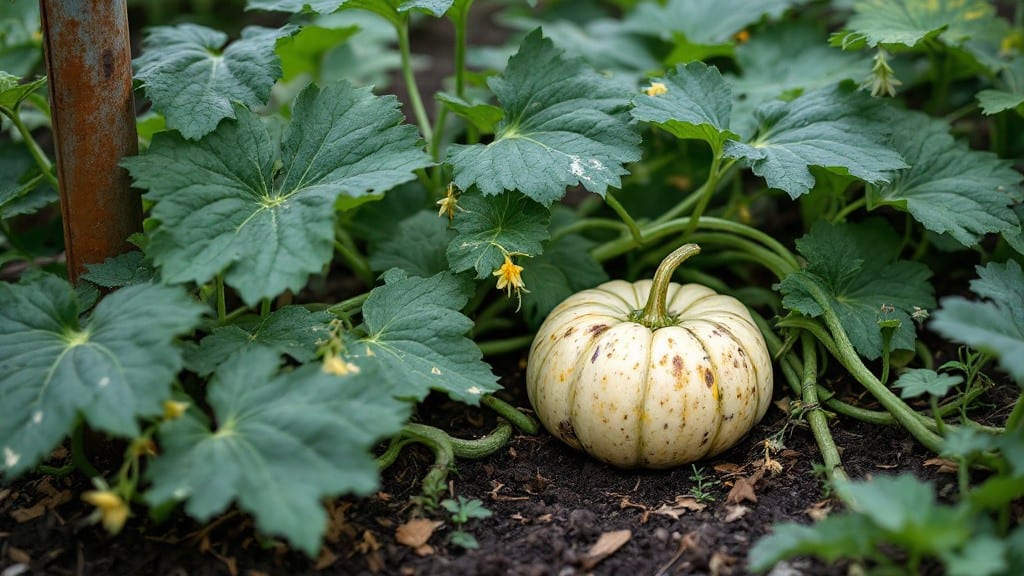
Pumpkin plant diseases can turn a thriving vine into a sad, wilted mess faster than you'd think. 🌱 I’ve watched healthy seedlings turn yellow overnight, only to realize it was powdery mildew hiding in plain sight—until it was too late.
The good news? Catching these issues early and acting fast keeps your patch productive and your harvest intact.
Most problems start with humidity, poor airflow, or overwatering—things you can control with simple adjustments. My biggest mistake? Ignoring the first signs of white fuzz on leaves or wilting stems. By the time you notice full-blown spots or blackened vines, the plant’s already fighting a losing battle.
But with the right organic remedies and a few smart cultural tweaks, you can stop diseases before they spread.
You’ll learn to spot the early warnings—yellowing leaves, strange spots, or stunted growth—and how to treat them without harsh chemicals. A spray of neem oil or baking soda mix can work wonders, and proper spacing between plants keeps air circulating so diseases don’t take hold.
Think of it as an insurance policy for your pumpkin patch.
This works for both backyard gardens and container growing, no matter your space. The key is acting fast and staying vigilant. Let’s turn those "oh no" moments into "got this" victories before the first sign of trouble appears.
Root Causes Of Pumpkin Ailments
Pumpkin plants, like all living organisms, are susceptible to diseases due to a mix of environmental stressors, biological threats, and poor growing conditions. Understanding why these issues arise is the first step to prevention.
Below, we break down the key factors that weaken pumpkin plants and invite disease—so you can address them before they spiral out of control.
Pumpkin plants thrive in space, but when their vines sprawl too close together—or when you plant seeds too densely—roots compete for nutrients, water, and oxygen. This creates the perfect storm for fungal infections like powdery mildew and downy mildew, which flourish in humid, stagnant conditions.
Why it happens:
- Root competition: Overcrowded roots starve for nutrients, weakening the plant’s immune response. 🌡️ Fungal spores latch onto stressed tissue like a parasite on a weakened host.
- Humidity buildup: Dense foliage traps moisture, creating a damp microclimate where Phytophthora (a water mold) thrives. Poor airflow also delays drying between waterings, prolonging wet conditions.
- Soil compaction: Heavy foot traffic or machinery can crush roots, reducing their ability to absorb water and nutrients. Compacted soil also limits beneficial microbes that suppress pathogens.
💡 Actionable fix: Space seeds 4–6 feet apart (or thin seedlings to this distance). Use raised beds or hill planting to improve drainage and airflow. Mulch with straw to keep soil loose and reduce compaction.
Pumpkins hate soggy feet. While they love water, standing water in the soil or prolonged dampness creates ideal conditions for bacterial wilt, root rot, and fusarium wilt. These diseases exploit weak spots in the plant’s vascular system, clogging xylem vessels and cutting off water flow.
Why it happens:
- Waterlogged soil: Poor drainage (common in clay or compacted soil) suffocates roots, preventing oxygen uptake. Aerobic bacteria that protect roots die off, while anaerobic pathogens like Pythium take over.
- Overwatering: Frequent light waterings keep the topsoil damp for days, inviting Phytophthora capsici (a devastating pumpkin pathogen). Healthy soil should dry 2–3 inches deep between waterings.
- Irrigation mistakes: Sprinklers that wet foliage (especially in the evening) create conditions for powdery mildew. Drip irrigation at the base is far safer.
💡 Actionable fix:
- Test your soil’s drainage: Dig a hole, fill it with water, and time how long it takes to drain. If it’s slower than 4–6 hours, amend with compost or perlite.
- Water deeply but infrequently—aim for 1–1.5 inches per week, delivered at the soil level (not the leaves).
- Plant pumpkins on mounds or ridges to improve runoff. Avoid low-lying areas where water pools.
Diseases don’t just appear—they invade. Pumpkin plants are vulnerable when their protective barriers (like leaves, stems, or roots) are compromised. Wounds from pruning, insects, or even hail create gateways for bacteria and fungi.
Why it happens:
- Insect damage: Squash vine borers, aphids, and cucumber beetles don’t just eat leaves—they inject saliva that introduces bacterial wilt (Erwinia tracheiphila). A single borer can turn a healthy vine into a wilted mess in days.
- Physical trauma: Rough handling during transplanting or pruning creates open wounds. Fusarium and Verticillium wilt fungi enter through these cuts, colonizing the plant’s vascular system.
- Contaminated tools: Pruners or knives used on infected plants spread spores to healthy ones. Even soilborne pathogens like Phytophthora can hitchhike on dirty equipment.
💡 Actionable fix:
- Monitor for pests: Use row covers early in the season to block cucumber beetles. Handpick borers or use BT (Bacillus thuringiensis) spray for caterpillars.
- Sanitize tools: Wipe pruners with 70% rubbing alcohol or a 10% bleach solution between cuts. Never reuse tools on different plants without cleaning.
- Avoid over-pruning: Remove only diseased or dead tissue. Make cuts 1/4 inch above a healthy leaf node to encourage faster healing.
Pumpkins are warm-season crops, and they hate sudden temperature shifts. Cold snaps or late frosts stress the plant, while excessive heat weakens its defenses. These fluctuations create the perfect conditions for alternaria leaf spot and anthracnose.
Why it happens:
- Cold stress: Temperatures below 50°F (10°C) slow photosynthesis, starving the plant of energy to fight infections. Bacterial leaf spot thrives in these conditions, spreading rapidly.
- Heat stress: Prolonged heat above 90°F (32°C) causes physiological stress, making leaves more susceptible to powdery mildew. High humidity + heat = a fungal buffet.
- Nighttime dew: Cool evenings with high humidity create leaf surface moisture, which pathogens like downy mildew need to germinate and infect.
💡 Actionable fix:
- Choose heat-tolerant varieties: Look for Cucurbita pepo types like ‘Howden’ or ‘Small Sugar’ that handle heat better than others.
- Use shade cloth: In peak summer, provide 30–50% shade to reduce leaf scorch and stress.
- Adjust watering: Water early in the morning to allow foliage to dry before evening dew forms.
A pumpkin plant’s ability to fight disease starts with its diet. Deficiencies or excesses in key nutrients weaken its cell walls, making it an easy target for pathogens. Think of it like a human with a vitamin C deficiency—more susceptible to infections.
Why it happens:
- Nitrogen deficiency: Pale, yellowing leaves (a classic nitrogen deficiency) signal poor protein synthesis, weakening the plant’s cuticle (its natural protective layer). Powdery mildew loves this easy entry.
Quick Fixes for Pumpkin Plant Troubles
When your pumpkin plants show signs of distress, acting fast can save your harvest! Below are practical, organic solutions tailored to common pumpkin plant diseases, along with prevention tips to keep your vines healthy and thriving. 🌱🛡️
Cause: White, powdery fungus thrives in humid, shady conditions. Fix:
- 🔥 Remove Infected Leaves – Prune and destroy heavily infected foliage immediately to stop the spread.
- 🍳 Baking Soda Spray – Mix 1 tbsp baking soda, 1 tbsp vegetable oil, and 1 tsp mild soap in a gallon of water. Spray every 7–10 days for prevention.
- 👨🍳 Improve Airflow – Space plants 3–4 feet apart and prune vines to allow sunlight and air circulation.
- ☀️ Sunlight Boost – If growing in shade, relocate plants to 6+ hours of direct sunlight daily.
Prevention Tip: 💡 Resistant Varieties – Choose mildew-resistant pumpkin types like ‘Howden’ or ‘Cinderella.’
Cause: Yellow spots on top leaves, fuzzy gray growth underneath—caused by Pseudoperonospora cubensis. Fix:
- 🔪 Copper Fungicide Spray – Use organic copper fungicide (like Bordeaux mixture) at first sign of yellowing. Reapply every 10–14 days in wet conditions.
- 🌧️ Water Wisely – Avoid overhead watering; use drip irrigation or water at soil level in the morning.
- 🌿 Mulch Matters – Apply 2–3 inches of straw or grass clippings to keep soil moist and prevent splashing spores onto leaves.
Prevention Tip: ✨ Crop Rotation – Don’t plant pumpkins in the same spot for 3+ years to break the disease cycle.
Cause: Wilting, yellowing, and oozing stems from Erwinia tracheiphila (spread by cucumber beetles). Fix:
- 🚨 Quarantine Immediately – Remove and burn or compost infected plants ASAP (do not add to garden waste).
- 🔪 Cut & Destroy – Snip vines 6 inches below wilting to prevent spread to healthy plants.
- 🐞 Trap Beetles – Use yellow sticky traps near plants to catch cucumber beetles before they transmit bacteria.
- 🌱 Rotate Crops – Plant non-squash crops (like beans or corn) in infected areas for at least 2 years.
Prevention Tip: 🎯 Neem Oil Barrier – Spray neem oil on young plants to repel beetles before they lay eggs.
Cause: Vascular wilting (brown stems, yellow leaves) from soil-borne fungi. Fix:
- 🌱 Solarize Soil – Cover beds with clear plastic for 4–6 weeks in hot sun to kill fungi.
- 💧 Drench with Hydrogen Peroxide – Mix 1 tbsp 3% H₂O₂ per gallon of water and soak roots to disinfect.
- 🌿 Plant Resistant Varieties – Choose ‘Jack Be Little’ or ‘Autumn Gold’ (less susceptible to wilts).
- ⏰ Avoid Overwatering – Keep soil evenly moist but not soggy to reduce fungal growth.
Prevention Tip: 🔥 Compost Tea Boost – Strengthen plants with compost tea to enhance root resistance.
Cause: Chewed leaves, holes, and bacterial wilt transmission from striped/cucumber beetles. Fix:
- 🍳 Diatomaceous Earth – Dust food-grade DE around plants (reapply after rain).
- 🐞 Row Covers – Use floating row covers early in the season to block beetles.
- 🌿 Companion Planting – Interplant with radishes or nasturtiums to repel beetles naturally.
- 🔪 Handpick & Drop – Crush beetles in soapy water (they’re easy to spot!).
Prevention Tip: 💡 Plant Early – Start seeds indoors and transplant after beetles emerge (usually late spring).
Final Pro Tip: 🌡️ Monitor Daily – Check plants every 2–3 days for early signs of stress. Early action = saved harvest! 🎃🚀
Frequently asked questions
1What’s the first sign my pumpkin plants have powdery mildew?
Look for white, powdery spots on upper leaves—like someone dusted them with flour. These spots start small but spread quickly in humid conditions. If you see this, isolate the plant and spray with a baking soda mix (1 tbsp baking soda + 1 tbsp oil + 1 tsp soap per gallon of water) to stop it before it takes over.
2Can I still harvest pumpkins if they have leaf spots?
Yes, but focus on fruits that aren’t near heavily infected foliage. Leaf spots (like alternaria or bacterial spots) rarely affect the fruit itself. Remove infected leaves to improve airflow and prevent spread. Just avoid eating leaves—stick to the pumpkins!
3Why do my pumpkin vines suddenly wilt, even with healthy-looking leaves?
This could be bacterial wilt or fusarium wilt, both of which clog the plant’s water pipes. Check stems for oozing or dark streaks—if you see these, remove the plant immediately and disinfect tools. These diseases spread fast and can kill vines in days.
4How do I prevent diseases in container-grown pumpkins?
Containers dry out faster and have better airflow, but you’ll need to act fast. Water only at the base (never overhead), use lightweight potting mix with perlite, and rotate containers weekly for even sun exposure. Also, choose compact varieties like ‘Jack Be Little’ to reduce overcrowding.
5Is it too late to treat my pumpkins if they’re already half-covered in mildew?
Not necessarily! While severe cases may require removing infected plants, you can still save others. Prune back vines to improve airflow, apply copper fungicide (like Bordeaux mix), and water only in the morning. For next year, plant resistant varieties and space vines 4–6 feet apart.