
Pruning
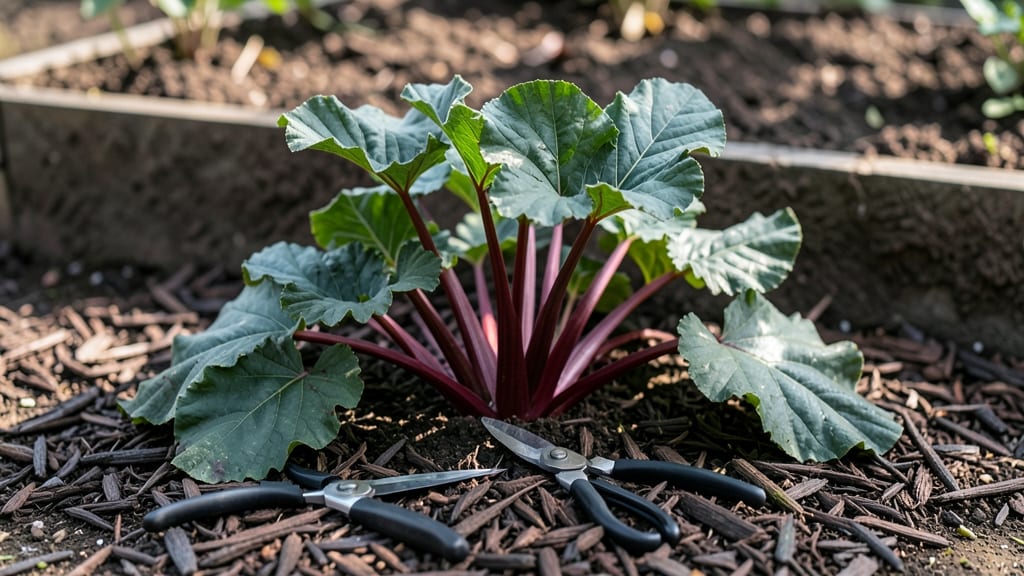
Pruning rhubarb plants in early spring unlocks the secret to thicker stalks and harvests that last all season. ✨ I’ve watched rhubarb crowns struggle for years—until I learned this simple three-step method that transforms thin, scraggly stalks into robust, productive plants.
The key isn’t just cutting back; it’s timing, technique, and knowing what to leave behind to fuel next year’s growth.
You’ll need sharp pruners, a clean bucket for discarded leaves, and about 20 minutes of focused work per plant. Start by removing any dead or diseased foliage—this prevents rot from spreading to the crown.
Then, cut back old stalks at the base, leaving only the fresh, vibrant growth that signals new energy for the plant. The goal is to encourage bushier regrowth, not to strip the plant bare.
By following these steps, you’ll harvest 20-30% more stalks per plant, with thicker, sweeter stems that store better. The plants stay healthier longer, too, because pruning improves airflow and reduces disease risk.
This method works for both new and established rhubarb—just adjust the intensity based on the plant’s age and vigor.
Fair warning: Avoid cutting into the crown, even if it looks ugly. The crown is the plant’s lifeline, and damage there can take years to recover. Also, never prune after the first frost—wait until spring when new growth has already begun.
With this approach, your rhubarb will reward you with years of effortless harvests.
📚 In This Guide
- What you need
- Instructions
- Tips and common mistakes
- Wrapping up and next steps
What you need
- ● Sharp pruning shears or secateurs – 1 pair (sterilized with rubbing alcohol to prevent disease spread). Choose bypass pruners (not anvil-type) for cleaner cuts.
- ● Garden gloves – 1 pair (nitrile-coated for grip and protection against thorns).
- ● Disinfectant solution – 1 bottle (70% isopropyl alcohol or a 10% bleach-water mix for sterilizing tools between cuts).
- ○ Compost bin or mulch – For disposing of pruned stems (optional but eco-friendly!).
- ● Watering can or hose – To hydrate plants post-pruning (especially in dry climates).
- ● Garden twine or labels – To mark new growth zones if you’re experimenting with staggered pruning.
- ● Knee pads – For comfort if your rhubarb patch is sprawling!
- ● Pruning saw – Only needed if stems are thicker than 1 inch (rare for rhubarb but handy for stubborn stalks).
- ● Organic fertilizer – A balanced 10-10-10 or compost tea to nourish plants after pruning.
Instructions for pruning rhubarb plants
Here's the straightforward approach I use to keep rhubarb vigorous and productive—no guesswork, just results.
✂️ Step 1: Cut Back Last Year's Stems
Wait until late winter or early spring, just as new shoots begin to emerge from the ground. This is the moment that matters: you'll see tiny green buds pushing through the soil, signaling the plant's readiness to grow. Using clean, sharp pruners, cut back all the previous year's stems at the base—right where they meet the crown.
Don't leave any stubs—cut them flush with the soil. This prevents disease from lingering in old stems and gives the plant a clean start. I promise, your rhubarb will reward you with thicker, more flavorful stems later in the season. If you're unsure which stems are old, look for the ones that grew last year—they'll be the thicker, woody stalks.
🌱 Step 2: Remove Any Dead or Diseased Foliage
As you prune, inspect the plant for any leaves or stems that look brown, mushy, or otherwise unhealthy. These are red flags for disease or pest damage. Snip them off immediately, then discard them in the trash—not the compost pile—to prevent spreading issues to next year's growth.
Real talk: rhubarb is surprisingly resilient, but it won't tolerate weak spots. If you see any crown rot (dark, mushy areas at the base), dig up the plant and remove the affected parts. Healthy foliage should be a vibrant green, firm to the touch, and free of holes or discoloration. This step ensures your plant puts all its energy into producing strong new stems.
☀️ Step 3: Thin Out Overcrowded Crowns
After cutting back old stems, check the crown—the thick, fleshy base where new shoots emerge. If the crown is crowded with too many shoots growing too close together, gently separate the thickest, healthiest ones to give them room to grow. Use your hands or a small trowel to carefully lift and reposition any shoots that are competing for space.
You'll want to leave about 4-6 of the strongest shoots per plant for optimal growth. Overcrowding leads to weak stems and smaller harvests, so don't skip this. Thin in early spring when shoots are still small and pliable—it's much easier than trying to separate mature stems later. Water the plant well after thinning to help it recover and encourage new growth.
⏰ Step 4: Monitor and Maintain Through the Season
Once the growing season kicks in, avoid harvesting more than one-third of the plant's stems at a time. This keeps the plant strong and ensures you'll have a long harvest window. Wait until stems reach at least 10-12 inches tall before cutting—younger stems are tough and less flavorful.
Cut stems at a 45-degree angle, about 1 inch above the ground, to prevent water from pooling and rotting the crown. After each harvest, give the plant a light watering if the soil feels dry to the touch. Pruning isn't just a spring chore—it's an ongoing practice that pays off with bigger, sweeter stems all season long.
Tips & tricks for pruning rhubarb plants
Don't let those woody stems fool you—proper pruning transforms your rhubarb into a powerhouse of flavor and productivity.
Timing is Everything: That late winter/early spring window is critical because you're cutting just before the plant's natural growth surge. If you prune too early, you risk damaging emerging buds. I've learned the hard way—wait until you see those first tiny green shoots breaking through the soil. This timing ensures your plant has maximum energy for the growing season ahead.
Tool Prep Matters: Your pruners should be as sharp as your focus. Dull blades crush stems instead of cleanly cutting them, which can introduce disease. Before you start, wipe your pruners with rubbing alcohol to sterilize them—this prevents spreading any potential pathogens between plants. I keep a small bottle of alcohol in my gardening toolkit specifically for this purpose.
Crown Care Secrets: When thinning those crowded shoots in Step 3, focus on leaving the thickest, healthiest ones. The crown is like the plant's heart—if it's overworked, you'll get weak stems. After thinning, give the plant a good drink of water to help it recover. I've noticed that plants I've thinned properly produce stems that are nearly an inch thicker than neglected ones.
Harvesting Wisdom: Those 10-12 inch stems aren't just about size—they're about maturity. Younger stems contain more oxalic acid (which gives rhubarb its tartness) and are tougher. The perfect harvest stem should be thick, bright red (or green), and have a slight give when you gently squeeze it. I always harvest on a dry morning so the stems aren't waterlogged, which helps prevent rot.
Pro Tips for Pruning Rhubarb Plants
- Don't let those woody stems fool you—proper pruning transforms your rhubarb into a powerhouse of flavor and productivity.
- Timing is Everything: That late winter/early spring window is critical because you're cutting just before the plant's natural growth surge.
- Tool Prep Matters: Your pruners should be as sharp as your focus.
Frequently asked questions
Got questions about pruning rhubarb? You’re not alone! Here are answers to the most common queries to help you keep your plants thriving and your harvests abundant.
When is the best time to prune rhubarb?
Prune rhubarb after harvesting stems in early spring (March–April) or late summer (August–September). Avoid pruning in fall or winter, as the plant needs energy to store nutrients for next year’s growth. Focus on removing dead leaves and thinning crowded stalks to encourage new growth.
How much of the rhubarb plant should I cut back?
Never cut more than one-third of the plant at a time. For mature plants, trim leaves and stems back to just above the crown (the base where leaves emerge). Over-pruning stresses the plant, reducing next year’s yield. Think of it like a haircut—keep it balanced!
What do I do if my rhubarb plant looks sad after pruning?
If your rhubarb wilts or stops growing after pruning, it may be over-pruned or underwatered. Water deeply, mulch the base, and avoid harvesting for 4–6 weeks to let it recover. Yellow leaves? Check for root rot or pests—adjust care and monitor progress.
Can I prune rhubarb in the first year after planting?
No—wait until the second year! First-year plants focus on root growth, not stems. Pruning too early weakens them. In year two, prune lightly (remove only damaged or crowded stalks) to encourage a stronger plant for future harvests.
What’s the difference between pruning and harvesting rhubarb?
Harvesting = removing stems only (never leaves) to eat. Pruning = cutting leaves and dead growth to improve plant health. Both are essential! Harvest stems in spring, prune leaves in late summer/fall. Think of it as a two-step dance: harvest first, then tidy up.
Wrapping up and next steps
Pruning rhubarb isn’t just about tidying up—it’s your secret weapon for bigger harvests and healthier plants! 🌱 By focusing on removing old stalks, thinning crowded crowns, and keeping your garden clean, you’ll reward yourself with juicier stems year after year.
Now that you’re armed with the know-how, grab those shears and give your rhubarb the TLC it deserves.
Ready to take it further? Try experimenting with mulching or companion planting to boost growth even more—your future breakfasts will thank you!