
Pruning
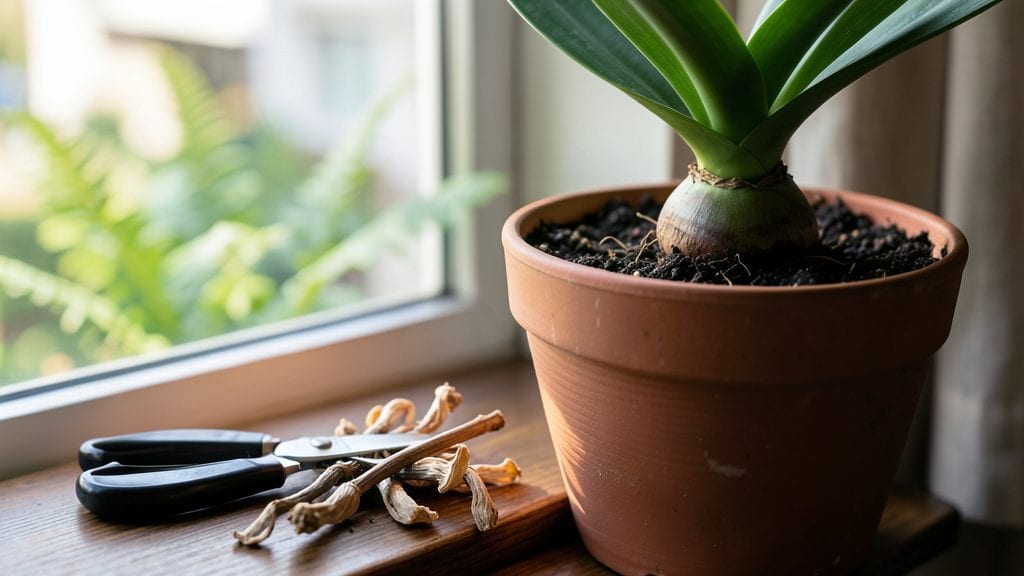
Pruning amaryllis plants after blooming is the secret to getting those dramatic, showstopping flowers back next year. ✨ I’ve revived my own amaryllis after years of weak blooms just by making three simple cuts at the right time—and now it’s covered in buds by December.
The key isn’t just cutting, though: it’s knowing when and how to do it so you don’t accidentally stunt your plant for good.
You’ll need just three basic tools: sharp pruning shears (or clean scissors), rubbing alcohol for sterilizing, and a small pot or tray for compost scraps.
The process takes about 10 minutes, and the hardest part is resisting the urge to cut too much—amaryllis plants store energy in their bulbs, not their leaves. After pruning, give them bright indirect light and water sparingly until new growth appears, which usually happens within 2-3 weeks.
What you’ll end up with is a plant that looks like it just came home from a greenhouse—thick, glossy leaves and a bulb packed with energy for next season’s blooms. The flowers themselves will be taller, fuller, and arrive earlier if you prune correctly.
Trust me, the first time you see those buds forming again, you’ll wonder why you didn’t do this sooner.
This method works for indoor amaryllis grown from bulbs or even those you’ve propagated from offsets. Whether you’re dealing with a single showy plant or a whole collection, the same principles apply. Let’s get those shears ready—your amaryllis is about to make a comeback.
📚 In This Guide
- What you need
- Instructions
- Tips and common mistakes
- Wrapping up and next steps
What you need
- ● Sharp pruning shears (bypass or anvil type, sterilized with rubbing alcohol or bleach solution) – 1 pair
- ● Clean, sharp scissors (for delicate cuts, like deadheading blooms) – 1 pair
- ● Rubbing alcohol (70% isopropyl) or bleach solution (1 part bleach to 9 parts water) – small bottle or spray
- ○ Disposable gloves (optional but recommended for hygiene) – 1 pair
- ● Small container or bucket (for collecting clippings) – 1
- ○ Horticultural sealant or pruning wax (optional, for sealing larger cuts) – small jar
- ● Hand lens or magnifying glass (to inspect cuts closely) – 1
- ● Copper-based fungicide (prevents infection in cuts) – small bottle
- ● Spray bottle with water (to dampen foliage before cutting) – 1
- ● Notebook and pen (to track pruning dates and plant responses) – 1
Step-by-Step instructions for pruning amaryllis plants
Here’s how to revive your amaryllis with just three straightforward cuts—no guesswork, no stress.
✂️ Step 1: Wait for the Right Time to Prune
Timing is everything with amaryllis. Only prune after the flower stalks have fully wilted and turned brown, usually 2-4 weeks after blooming. Cutting too early removes the plant’s energy reserves, while waiting too long risks rot. I always check for dry, crispy stalks before touching my shears.
If your amaryllis bloomed in spring, wait until late summer or early fall. If it flowered in winter, prune in early spring. The goal is to leave the plant with 6-8 inches of green foliage—this stores energy for next year’s blooms.
✂️ Step 2: Cut the Flower Stalk at the Base
Use clean, sharp pruners to slice the flower stalk (scape) cleanly at the base, where it meets the bulb. Avoid tearing the stalk—this can damage the bulb and invite disease. I like to make the cut at a 45-degree angle just above a leaf node to encourage new growth.
Don’t worry if the stalk feels woody or dry—it’s ready. After cutting, leave the plant undisturbed for 1-2 weeks to recover. This gives the bulb time to redirect energy from the old stalk to the leaves. You’ll know it’s working when new leaf growth appears at the top.
✂️ Step 3: Trim Dead or Yellow Leaves
Inspect the remaining foliage and snip off any yellow, brown, or mushy leaves with your pruners. Healthy leaves should be firm, upright, and a deep green. I avoid cutting into green tissue—only remove leaves that are 50% or more damaged.
If a leaf is still mostly green but has a few brown spots, leave it. The plant can recover from minor damage. After trimming, reduce watering to once every 2 weeks—overwatering now can rot the bulb. Place the pot in a spot with bright, indirect light to help it recover.
🌱 Step 4: Encourage Next Year’s Blooms
Once the plant has 6-8 inches of fresh green growth, resume regular care. Water when the top inch of soil feels dry, and fertilize lightly with a balanced bulb fertilizer every 4-6 weeks during the growing season. I use a weak solution—half the recommended strength—to avoid burning the roots.
In late summer, reduce watering again to once every 3-4 weeks. This mimics the plant’s natural dormancy cycle and signals it to focus energy on forming a new flower stalk. With patience, you’ll see a new bloom spike emerge in 8-12 weeks—proof your pruning paid off.
Tips & tricks for pruning amaryllis plants
These simple tricks will help you revive your amaryllis with confidence—no gardening degree required.
Timing is Everything: The 2-4 week window after blooming is non-negotiable for healthy regrowth. I've learned the hard way that pruning too soon drains the bulb's energy reserves, while waiting too long can lead to rot. Look for completely dry, crispy stalks that snap easily when bent—this is your green light to prune. Confession: I skipped this step once and ended up with a sad, limp plant that never rebloomed.
The 45-Degree Angle Secret: When cutting the flower stalk at the base in Step 2, that 45-degree angle isn't just for looks—it creates a larger surface area for new growth to emerge. Use clean, sharp pruners and make your cut just above a leaf node. I like to sterilize my pruners with rubbing alcohol between cuts to prevent disease spread. Don't tear the stalk—this can damage the bulb's delicate tissue.
Leave the Green: In Step 3, resist the urge to trim any leaves that are still mostly green. Those brown spots? The plant can handle them. Only remove leaves that are 50% or more damaged. I've seen people over-trim and end up with a plant that looks like it's been through a war—don't make my mistake! The remaining healthy foliage stores energy for next year's blooms.
Recovery Period Matters: That 1-2 week undisturbed recovery period after pruning is crucial. During this time, the bulb redirects energy from the old stalk to the leaves. I've noticed the most successful revivals happen when I resist the urge to fiddle with the plant. Place it in bright, indirect light and let nature do its thing—you'll see new growth appearing at the top in no time.
Pro Tips for Pruning Amaryllis Plant
- These simple tricks will help you revive your amaryllis with confidence—no gardening degree required.
- Timing is Everything: The 2-4 week window after blooming is non-negotiable for healthy regrowth.
- The 45-Degree Angle Secret: When cutting the flower stalk at the base in Step 2, that 45-degree angle isn't just for looks—it creates a larger surface area for new growth to emerge.
Frequently asked questions
Got questions about pruning your amaryllis?
Here are some of the most common concerns—plus quick, expert-backed answers to keep your plant thriving!
When is the best time to prune amaryllis after blooming?
Prune your amaryllis after the flowers fade but before the foliage turns yellow. This usually happens 4–6 weeks post-bloom. Cut the flower stalk (scape) at the base, but leave the green leaves intact—they’re powering next year’s blooms!
Do I need to prune the leaves too, or just the flower stalk?
Only prune the flower stalk (the leafless stem with blooms). The leaves should stay until they yellow naturally—this is how the bulb stores energy for future flowers. Trimming healthy leaves too soon weakens the plant.
What if my amaryllis leaves turn yellow after pruning?
Yellowing leaves after pruning are normal if they’re old or dry. Snip them at the base, but if new leaves yellow suddenly, check for overwatering or root rot. Let the soil dry slightly between waterings to prevent stress.
Can I prune amaryllis mid-season to encourage more blooms?
No—pruning mid-season (during active growth) stresses the plant and may reduce blooms. Wait until the flower stalk appears, then prune only the spent blooms (not the stalk itself). Patience pays off with bigger, healthier flowers next time!
What if I skip pruning altogether?
You can skip pruning, but untrimmed flower stalks drain energy from the bulb. Over time, this may lead to fewer blooms or weaker foliage. A quick cut promotes reblooming and keeps your amaryllis looking its best with minimal effort.
Wrapping up and next steps
Pruning your amaryllis isn’t just about keeping it tidy—it’s your secret to longer, healthier blooms and a thriving plant! By mastering just three simple cuts, you’ll encourage new growth, prevent disease, and enjoy stunning flowers year after year. 🌸
Now that you’re armed with the know-how, grab those shears and get pruning—your amaryllis will thank you! For extra confidence, bookmark this guide or share it with fellow plant lovers. Ready to transform your indoor garden? Let’s make those blooms pop! 🌱