
Pruning
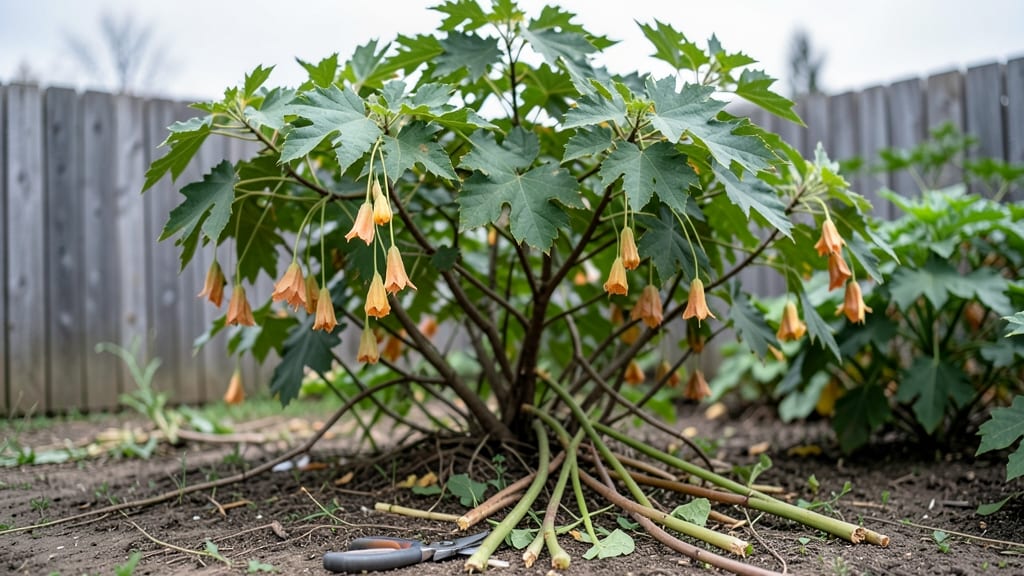
Pruning abutilon plants transforms them from straggly to shockingly lush within weeks. 🌿 I’ve pruned mine every spring and fall for years, and the difference in blooms is night-and-day—more flowers, fuller branches, and a shape that actually looks intentional.
The key isn’t just cutting back; it’s knowing where and when to make those snips so the plant rewards you with nonstop color.
Abutilons bloom on new growth, so pruning isn’t about harsh cuts—it’s about encouraging fresh shoots. You’ll need sharp pruners, rubbing alcohol for cleaning cuts, and a clear day to work (no soggy stems!).
Timing matters too: prune after flowering in late winter or early spring to shape the plant, then do a light trim in summer to keep it compact. Avoid pruning in fall if you’re in a cold climate—wait until spring to prevent winter damage.
After pruning, your abutilon will send out new branches within 2-3 weeks, each one packed with buds for the next bloom cycle. The plant stays bushier, flowers more prolifically, and even handles heat better.
Just don’t overdo it—too many cuts stress the plant, and you’ll end up with leggy stems instead of lush foliage. Think of it like giving your plant a haircut: you want volume, not a buzz cut.
This method works for both indoor and outdoor abutilons, though container plants need slightly more frequent trims to stay tidy. If you’ve ever stared at your abutilon thinking, “Why isn’t this thing blooming?”—this is your fix. Grab those shears, and let’s get to work!
📚 In This Guide
- What you need
- Instructions
- Tips and common mistakes
- Wrapping up and next steps
What you need
- ● Sharp pruning shears: Bypass pruners (4-6" blades) for clean cuts—avoid dull tools that crush stems.
- ● Sterilized rubbing alcohol (70%+) or bleach solution: 1 part bleach to 9 parts water (for disinfecting tools).
- ○ Gloves (optional but recommended): Nitrile or leather gloves to protect against sap irritation.
- ○ Pruning saw (optional): Only if trimming thick, woody stems (>1/2 inch diameter).
- ● Plant ties or soft twine: For securing branches post-pruning (if needed).
- ● Best time to prune: Early spring (just before new growth) or after blooming (late summer).
- ● Weather check: Prune on a dry, overcast day to reduce stress on the plant.
- ● Healthy plant: Ensure your abutilon is free of pests/diseases before pruning.
- ● Rooting hormone: For propagating cuttings (if you want to grow new plants!).
- ● Small plastic bags: To cover cuttings for humidity while rooting.
- ● Plant food (balanced fertilizer): 10-10-10 or similar, to nourish post-pruning.
Step-by-Step guide to pruning abutilon plants
Here's how to transform leggy abutilons into lush, blooming shrubs with just a few cuts.
✂️ Step 1: Remove Dead or Damaged Growth
Start by inspecting your abutilon for any brown, brittle stems or leaves that look crispy around the edges. These are dead or dying growth that won't recover. Use clean, sharp pruning shears to cut these stems back to healthy green tissue—you'll see a clear transition where the healthy growth begins.
Don't worry if you accidentally snip a few green leaves in the process. The key is removing anything that looks sickly or past its prime. I always work from the bottom up, clearing out the debris first so I can see the plant's structure more clearly. This step keeps your plant healthy and prevents disease from spreading.
✂️ Step 2: Trim Back Overly Long Stems
Next, look for stems that have grown too long and leggy. These are the ones stretching toward the light with sparse leaves. Cut these back by about one-third of their length, making your cuts just above a leaf node—this is where new growth will emerge. You'll see little bumps or buds along the stem where leaves used to be.
I like to step back and look at the plant as I go, imagining how it will fill out. You're not trying to make it smaller; you're shaping it to encourage bushier growth. If you're unsure where to cut, err on the side of leaving a little more stem—abutilons are forgiving and will bounce back quickly.
✂️ Step 3: Encourage Bushier Growth with Strategic Cuts
Now, focus on the inner branches that might be growing toward the center of the plant. These can get crowded and prevent airflow, which leads to fewer blooms. Cut these back by about one-half of their length, again just above a leaf node. This opens up the plant and lets light reach the inner stems, where new growth—and more flowers—will appear.
Here's the thing—abutilons bloom on new growth, so the more you encourage branching, the more flowers you'll get. After pruning, give your plant a light misting to help it recover. You'll notice new leaves starting to form within 2-3 weeks, and those will eventually turn into beautiful blooms. This is the moment that matters: patience pays off with a fuller, healthier plant.
🌿 Step 4: Shape and Maintain Year-Round
Once you've done the heavy pruning, take a moment to shape the plant. Trim any stems that are growing in directions you don't want, or that might rub against each other as the plant moves. Abutilons respond well to regular shaping, so don't be afraid to give them a little trim every 4-6 weeks to keep them looking their best.
Real talk: if you see a stem growing straight up with no branches, it's begging for a cut. Snip it back to encourage side shoots, and you'll see a bushier plant in no time. After pruning, I always add a balanced fertilizer to help the plant recover and promote new growth. You'll be rewarded with a plant that's fuller, healthier, and blooming more than ever.
Tips & tricks for perfect abutilon pruning
These simple tricks will help you master pruning your abutilon plants like a pro—no green thumb required!
Clean Tools Are Non-Negotiable: Before you even start, disinfect your pruning shears with rubbing alcohol. I learned this the hard way after noticing my plant developed brown spots weeks after pruning—turns out, old tools can transfer diseases. Sterilize between cuts, especially when removing dead growth in Step 1. This small step makes all the difference in keeping your plant thriving.
Look for the Leaf Nodes: Those little bumps where leaves used to be are your secret weapon! When trimming in Step 2 and Step 3, always cut just above a leaf node—this is where new growth will sprout. I always count back 3-4 nodes from where I want the new growth to start. This visual cue helps me make precise cuts that encourage bushier growth rather than random snipping.
The 2-3 Week Waiting Game: After your pruning session, be patient! Those 2-3 weeks mentioned in Step 3 are crucial for new leaves to emerge. I've seen beginners get impatient and prune again too soon, which stunts growth. Instead, keep your plant well-watered and in bright, indirect light. You'll be rewarded with fresh, vibrant leaves that eventually turn into beautiful blooms.
Season Matters: The best time to prune is in early spring, just as new growth begins. This timing aligns perfectly with your plant's natural growth cycle. If you notice leggy growth in late summer, you can do a light trim then, but avoid heavy pruning in fall or winter when the plant is dormant. Think of it as giving your abutilon a fresh start when it's ready to grow!
Pro Tips for Pruning Abutilon Plants
- These simple tricks will help you master pruning your abutilon plants like a pro—no green thumb required!
- Clean Tools Are Non-Negotiable: Before you even start, disinfect your pruning shears with rubbing alcohol.
- Look for the Leaf Nodes: Those little bumps where leaves used to be are your secret weapon!
Frequently asked questions
Got questions about keeping your Abutilon (or "Chinese lantern plant") looking its best? Here are answers to the most common concerns—so you can prune with confidence!
When is the best time to prune abutilon plants?
Prune your Abutilon in early spring (just before new growth starts) for the best results. Light trimming can also happen after blooming to encourage more flowers. Avoid heavy pruning in fall or winter, as the plant needs energy to recover before dormancy.
How much can I cut back my abutilon without harming it?
You can safely cut back up to one-third of the plant’s height in a single session. For mature plants, this encourages bushier growth and more blooms. Just avoid over-pruning—too much at once can stress the plant. Pro tip: Use clean, sharp shears to make precise cuts just above a leaf node.
Will pruning my abutilon stop it from blooming?
Not at all! Pruning actually boosts blooms by promoting new growth and more flower buds. The key is to trim back leggy stems and encourage a fuller shape. Just avoid cutting into old wood (thick, woody stems), as it won’t regrow well.
What if my abutilon doesn’t bloom after pruning?
If your plant skips blooming, check these fixes:
- Light: Ensure it gets 4–6 hours of sunlight daily (too little = fewer flowers).
- Water: Keep soil evenly moist but not soggy.
- Fertilizer: Use a balanced bloom booster (like 10-10-10) every 4–6 weeks.
- Deadheading: Remove spent blooms to redirect energy to new flowers.
Can I propagate my abutilon from pruned cuttings?
Pruned cuttings make perfect propagation material. Dip 4–6 inch cuttings in rooting hormone (optional) and plant in moist potting mix. Keep them in bright, indirect light and maintain humidity (use a plastic bag or propagator). Roots should form in 2–4 weeks!
Wrapping up and next steps
Pruning your abutilon plants is a simple yet powerful way to unlock their full potential—bushier growth, longer blooming seasons, and healthier foliage! 🌿 By mastering the 3-step trimming method, you’ll encourage vibrant flowers year-round while keeping your plant happy and thriving.
Now that you’re equipped with the right tools and techniques, roll up your sleeves and give your abutilon the care it deserves.
Ready to see the magic happen? Pick a sunny day, grab your shears, and start pruning today! 🌸 Your abutilon will thank you with a burst of color and life.