
Propagation
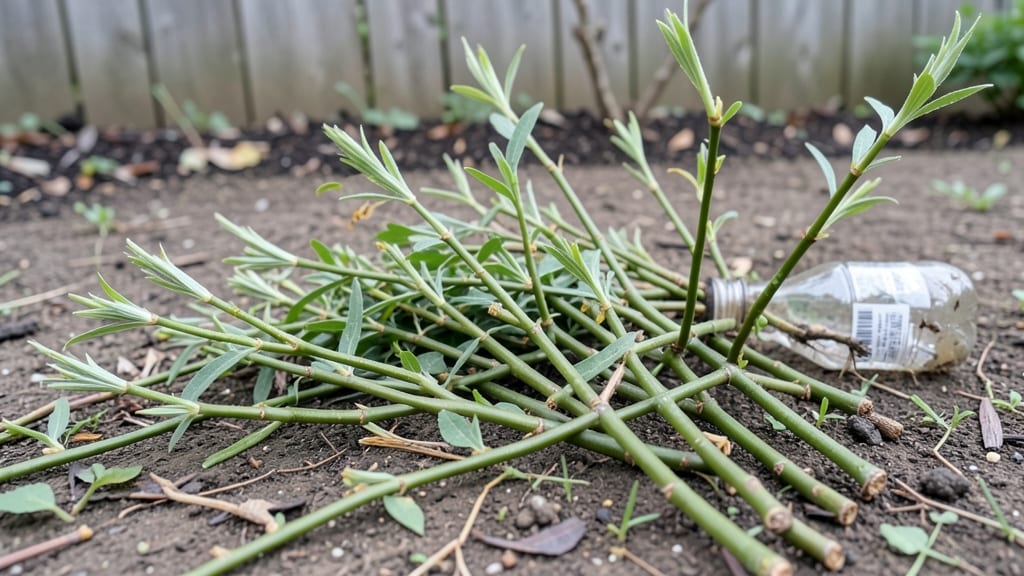
Planting willow cuttings is how I doubled my willow tree count in just three weeks—no fancy equipment, just sharp scissors and a little patience. 🌱 The secret lies in their uncanny ability to root in water or soil, making them the perfect project for impatient gardeners who want instant results.
My first batch took hold so quickly I couldn’t believe it, and now I’m sharing exactly how to replicate that success without the stress.
You’ll need basic supplies: 4-6 inch cuttings from healthy branches, a clean container (or just a jar of water), and a spot with bright, indirect light.
The best time to start is late winter or early spring when new growth begins, but willows are forgiving—even summer cuttings often root if kept moist. I’ve tried both methods, and while water rooting is faster, soil rooting produces sturdier plants ready for transplanting sooner.
What you’ll end up with are thriving young willows—some with roots in as little as 10 days—that you can either keep in containers or plant directly in moist soil.
The foliage stays vibrant, the growth is aggressive, and you’ll have a living fence or pond border before you know it. The key is consistency: keep the cuttings damp, protect them from harsh sun, and avoid overcrowding.
Works for weeping willows, pussy willows, or any fast-growing variety. Whether you’re reviving a dying tree or expanding your landscape, this method delivers fast, foolproof results—no green thumb required. Here’s how to get started without the guesswork.
📚 In This Guide
- What you need
- Instructions
- Tips and common mistakes
- Wrapping up and next steps
What you need
- ● Willow cuttings: 10–20 healthy, pencil-thick stems (½–¾ inch in diameter)
- ● Cut at a 45° angle, 6–12 inches long (avoid woody or dried-out sections)
- ● Rooting medium (choose one): Water: Clean, room-temperature water (change every 2–3 days)
- ● Soil: Well-draining potting mix (add perlite or sand for aeration)
- ● Containers: For water: Small jars or vases (wide-mouth preferred)
- ● For soil: Individual pots (4–6 inches deep) or trays with drainage holes
- ● Tools: Sharp pruners or secateurs (sterilized with rubbing alcohol)
- ○ Rooting hormone (optional but helpful for faster growth)
- ● Spray bottle (for misting soil)
- ● Bright, indirect light (avoid harsh sunlight)
- ● Warmth (60–75°F / 15–24°C is ideal)
- ● Humidity (cover cuttings with a plastic bag if indoors)
- ● Patience! Roots may take 2–6 weeks to appear.
- ● Fertilizer (diluted seaweed or fish emulsion after roots form)
- ● Clear container (to monitor root growth in water)
- ● Grow lights (if natural light is limited)
- ● Label markers (to track cutting types)
Step-by-step instructions for planting willow cuttings
Here’s how to root willow cuttings quickly—whether in water or soil—without stressing the branches.
🌱 Step 1: Select and Prepare Healthy Cuttings
Choose 4-6 inch long willow branches that are pencil-thick and still green, not dried out. The best time is late winter or early spring when sap is rising. Cut just below a node (the little bump where leaves grow) using clean, sharp pruners. Strip off any leaves within 2 inches of the base—this prevents rot and focuses energy on root growth.
Here’s the thing—willows root best when fresh. If you can’t plant immediately, store the cuttings in a plastic bag with a damp paper towel to keep them hydrated. Avoid letting them dry out, or they’ll refuse to root. You’ll know they’re ready when the cut ends look moist but not soggy.
💧 Step 2: Root in Water (Fastest Method)
Fill a clean jar or container with room-temperature water and place the cuttings in it so the bottom 2 inches are submerged. Change the water every 3-4 days to prevent bacteria buildup. In 2-4 weeks, you’ll see tiny white roots sprouting—this is your signal to move them to soil.
Don’t overcrowd the jar. Three to four cuttings per container work best. Place it in bright, indirect light (no direct sun, which can overheat the water). If the cuttings start to rot or smell foul, that’s your cue to refresh the water immediately. Healthy cuttings will stay firm and upright.
🪴 Step 3: Plant Directly in Soil (For Outdoor Survival)
Fill a pot or garden bed with well-draining soil mixed with sand or perlite (this prevents waterlogging). Dig a hole 2 inches deep and insert the cutting so the lower 2 inches are buried. Firm the soil gently around the base—this keeps it stable while roots form.
Water lightly right after planting, but don’t soak the soil. Willow cuttings hate soggy roots. Keep the soil evenly moist (not wet) by checking the top inch daily. In 3-6 weeks, you’ll see new shoots or leaves—this means roots have taken hold. If the cutting wilts or turns yellow, it’s a sign of overwatering or poor drainage.
☀️ Step 4: Transition Rooted Cuttings to Full Sun
Once roots are established (either in water or soil), move the cuttings to a sunny spot gradually. Start with morning sun only for a few days, then slowly increase exposure. Full sun can scorch young willows if they’re not acclimated. You’ll know they’re ready for full sun when they’re deep green and sturdy—no more wilting when touched.
For outdoor planting, wait until the soil is warm (at least 60°F) and the last frost has passed. Willow cuttings grow fast once rooted, so don’t rush—patience here means stronger plants. Mulch around the base with 2 inches of organic matter to retain moisture and protect roots from temperature swings.
⏰ Step 5: Maintain Growth Through the First Year
Water deeply once a week (or more in dry spells) to encourage deep root growth. You’ll see the best results if you don’t overwater—willows are tough but hate soggy feet. Fertilize lightly in spring with a balanced 10-10-10 mix to support leafy growth, but skip heavy feeding—willows grow best in lean soil.
Prune any dead or weak branches in early spring to redirect energy to the strongest stems. By the end of the first year, your cuttings will have grown 6-12 feet tall—that’s how fast willows thrive when given the right start. Keep an eye out for pests like aphids, but willows rarely need treatment unless infestations are severe.
Tips & tricks for planting willow cuttings without stress
Fast rooting means avoiding common mistakes that slow down growth. Here's what I've learned from years of experimenting with willow cuttings.
Timing is Everything: Late winter or early spring is your best window because that's when sap is rising in willow branches. If you're working with stored cuttings, make sure they're still moist at the cut ends—this is your green light they're ready to root. I've tried planting dried-out cuttings, and they just refuse to cooperate. Trust me on this: fresh is best, but properly stored cuttings can still work if they're not completely dry.
Water Wisdom: When rooting in water, that 3-4 day refresh is crucial—it prevents bacteria buildup that can rot your cuttings. I use clear jars so I can actually see those tiny white roots forming in 2-4 weeks. Pro tip: If you notice brown water or a foul smell, change it immediately. Healthy cuttings should stay firm and upright, never mushy. This is how you know you're on the right track for fast rooting.
Soil Secrets: That 2-inch depth when planting in soil is perfect—it's deep enough to stabilize the cutting but not so deep it causes rot. Mixing sand or perlite with your soil creates that crucial well-draining environment willows love. I've made the mistake of planting in regular garden soil, and the cuttings just sat there without rooting. The key is that mix—it prevents waterlogging while keeping moisture consistent. And remember, willows hate soggy roots, so check that top inch daily.
Sun Transition Strategy: Moving cuttings to full sun too quickly is how you end up with scorched leaves. Start with just morning sun for a few days, then gradually increase exposure. I've seen willows go from lush green to crispy brown in hours when moved too fast. Watch for that deep green, sturdy look—it's your signal they're ready for more sun. And that 60°F soil temperature is non-negotiable for outdoor planting—wait for it, and your cuttings will reward you with rapid growth.
Pro Tips for Planting Willow Cuttings
- Fast rooting means avoiding common mistakes that slow down growth.
- Timing is Everything: Late winter or early spring is your best window because that's when sap is rising in willow branches.
- Water Wisdom: When rooting in water, that 3-4 day refresh is crucial—it prevents bacteria buildup that can rot your cuttings.
Frequently asked questions
Got questions about growing willow cuttings? You’re not alone—this method is simple but has a few quirks! Here are answers to the most common queries to help you succeed.
What’s the best time of year to plant willow cuttings?
Plant willow cuttings in late winter or early spring (just before buds swell) for the best success. Avoid planting in summer heat or winter freezes—willows root best in cool, damp soil (40–60°F). If you miss the window, fall (before hard frost) can work too!
Can I root willow cuttings in water instead of soil?
Yes! Willow cuttings thrive in water—just place them in a jar with 2–3 inches of fresh water, changing it every 2–3 days. Roots typically appear in 1–3 weeks. Once roots are 2–3 inches long, transplant to soil. Pro tip: Use filtered or rainwater to avoid chlorine harming growth.
How do I store willow cuttings over winter if I can’t plant them yet?
Bundle cuttings in a plastic bag with damp peat moss or sphagnum and refrigerate (not freeze!). Check moisture weekly—cuttings should stay slightly damp but not soggy. Plant in spring when soil thaws. Alternative: Bury them in a trench in the ground (like potatoes) for natural cold storage!
Why aren’t my willow cuttings rooting? Troubleshooting tips!
Common issues and fixes:
- No roots after 4+ weeks: Check water/soil moisture—willows need consistent dampness. Trim the bottom 1 inch of the cutting to encourage fresh growth.
- Cuttings rotting: Overwatering or fungal issues. Use hydrogen peroxide (3%) to sterilize water or soil, and ensure good airflow.
- Yellowing leaves: Too much sun or heat stress. Move to partial shade until roots establish.
If all else fails, try hormone rooting gel for stubborn cuttings!
Can I use willow cuttings from any willow tree?
Most willow species (like Salix babylonica or Salix fragilis) root easily, but avoid hybrid willows—they may not propagate true to type. Stick to softwood cuttings (new growth) for best results. Bonus: Weeping willows make stunning, fast-growing privacy screens!
Wrapping up and next steps
Planting willow cuttings is a rewarding and stress-free way to grow these fast-spreading trees—whether in soil or water! 🌱 With the right tools, timing, and care, you’ll soon see roots sprouting like magic.
Whether you’re a gardening newbie or a seasoned pro, willows offer a forgiving, low-maintenance way to expand your green space.
Now that you’re armed with tips and tricks, take the next step: grab those cuttings, pick your preferred method, and get planting! Watch your willow thrive and share your success with fellow plant lovers. Happy growing! 🌿