
Aphids
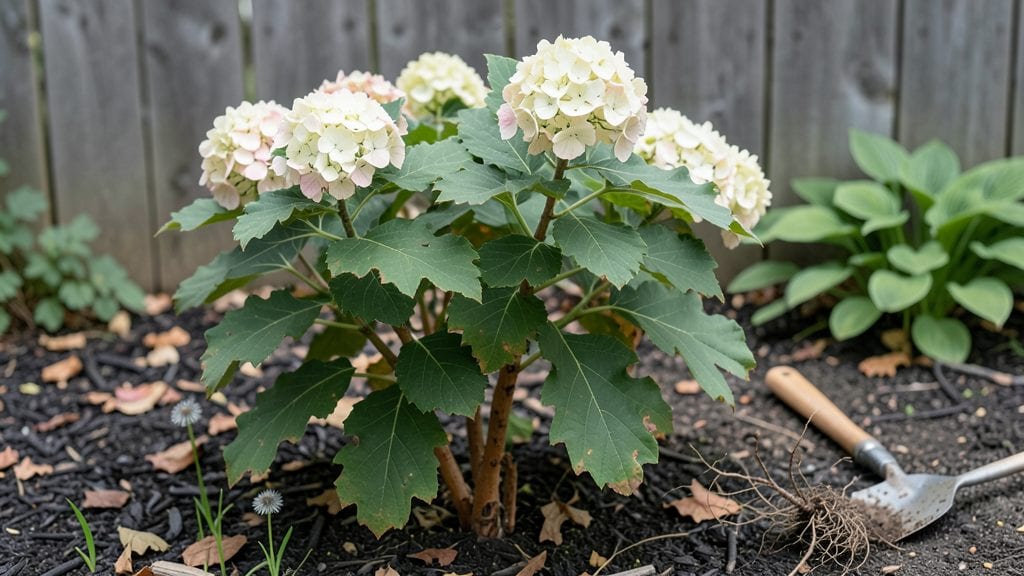
Planting oakleaf hydrangea in the right spot turns your garden into a four-season showpiece. 🌿 I learned this the hard way—my first attempt flopped because I ignored the sunlight and soil needs.
These beauties thrive in partial shade but still need morning sun to fuel their vibrant blooms and fiery fall foliage.
The secret is a well-drained, slightly acidic soil mix with plenty of organic matter. Most garden centers sell pre-mixed hydrangea soil, but I swear by adding a handful of sulfur and compost to boost those signature burgundy leaves.
Plant in early spring or fall when temperatures are mild, and space them 5-6 feet apart to give their roots room to spread.
You’ll love the way they transform from creamy white blooms in summer to dramatic red-purple foliage in fall. Even the dried flowers in winter add texture. Just avoid overwatering—hydrangeas hate soggy roots—and mulch heavily to protect those tender stems in winter’s chill.
Perfect for borders, woodland gardens, or as a statement plant near patios. The key is patience—oakleaf hydrangeas take 2-3 years to really shine, but once they do, they’ll be the star of your landscape. Here’s how to set them up for success from day one.
📚 In This Guide
- What you need
- Instructions
- Tips and common mistakes
- Wrapping up and next steps
What you need
- ● Oakleaf hydrangea plants: 1-2 bare-root or container-grown plants (check for healthy roots and buds).
- ● Well-draining soil: Mix of garden soil, compost (50%), and perlite/sand (20%) for aeration.
- ● Organic mulch: 2-3 inches of shredded bark or wood chips to retain moisture and regulate temperature.
- ● Fertilizer: Slow-release granular fertilizer (10-10-10) or compost tea for nutrient boost.
- ● Watering can or hose: With a gentle spray nozzle for hydration.
- ● Gloves & trowel: For digging and handling roots without harm.
- ○ Staking (optional but helpful): 1-2 bamboo stakes + soft ties for young plants in windy areas.
- ● Sunlight: A spot with morning sun + afternoon shade (6+ hours of light).
- ● pH-balanced soil: Aim for 5.0–6.0 (test with a soil kit if unsure).
- ● Space: Minimum 3–5 feet of clearance for mature growth (they spread!).
- ● Water access: A nearby source for consistent hydration (oakleaf hydrangeas love moisture!).
- ● 🌡️ Best planting time: Early spring or fall (avoid extreme heat or frost).
- ● ✨ Amend soil ahead: Work compost into the planting hole 2 weeks before to improve drainage.
- ● 🎯 Test drainage: Dig a hole, fill with water—if it drains in <1 hour, you’re golden!
Step-by-Step instructions for planting oakleaf hydrangea
Here's how to give your oakleaf hydrangea the perfect start for bold foliage and showstopping blooms.
🌱 Step 1: Choose the Right Location and Prepare the Soil
Oakleaf hydrangeas thrive in partial shade to full sun—at least 4-6 hours of sunlight daily. I always pick a spot with morning sun and afternoon shade to prevent leaf scorch. The plant's stunning fall foliage comes from that balance, so don't skimp on shade if your climate runs hot.
Before planting, loosen the soil to a depth of 12-18 inches using a garden fork. This helps roots spread easily. Mix in 2-3 inches of compost to improve drainage and fertility. Oakleaf hydrangeas hate soggy roots, so if your soil drains poorly, amend with sand or perlite to create a well-draining mix.
🪴 Step 2: Dig the Hole and Plant at the Right Depth
Dig a hole twice as wide as the root ball but only as deep. The top of the root ball should sit 1 inch above ground level—burying too deep suffocates the plant. Gently remove the hydrangea from its container and tease apart any circling roots with your fingers. This encourages outward growth instead of root binding.
Place the plant in the hole and backfill with soil, pressing lightly to eliminate air pockets. Water deeply to settle the soil around the roots. You'll know it's right when the soil surface looks slightly firm but not compacted. Mulch the area with 2-3 inches of organic mulch (like shredded bark) to retain moisture and regulate soil temperature.
☀️ Step 3: Water Thoroughly and Monitor Moisture
Water your oakleaf hydrangea deeply once a week during the first growing season, providing 1-1.5 gallons per plant. The goal is to moisten the soil to a depth of 12 inches. You'll see the soil surface dry out between waterings—that's your cue to water again. Overwatering is the fastest way to kill hydrangeas, so always check moisture before adding more.
After the first year, hydrangeas develop deeper roots and become more drought-tolerant. Still, they appreciate consistent moisture, especially during hot, dry spells. A soaker hose or drip irrigation system makes watering easier and reduces the risk of fungal diseases that come from overhead watering.
✂️ Step 4: Prune for Shape and Encourage Growth
Prune your oakleaf hydrangea in late winter or early spring, just as new growth begins. Remove any dead or damaged branches first, then cut back the remaining stems by one-third to encourage bushier growth. This is also the time to shape the plant—look for stems that cross or rub against each other and trim those to improve airflow.
Oakleaf hydrangeas bloom on old and new wood, so don't over-prune. If you cut back too aggressively, you might reduce next year's flowers. I like to leave a few stems unpruned to ensure a full display. After pruning, apply a balanced, slow-release fertilizer to support new growth.
🌿 Step 5: Mulch and Protect for Long-Term Health
Spread a 2-3 inch layer of mulch around the base of your hydrangea, keeping it 3-4 inches away from the stem to prevent rot. Mulch helps retain moisture, regulate soil temperature, and suppress weeds. Replenish the mulch layer annually as it breaks down. In colder climates, add an extra layer of mulch in late fall to protect the roots from freezing.
Watch for signs of stress, like yellowing leaves or wilting, which can signal overwatering or underwatering. Oakleaf hydrangeas are generally low-maintenance, but they do appreciate a little attention. With the right care, your plant will reward you with vibrant foliage and stunning blooms for years to come.
Tips & tricks for perfect oakleaf hydrangea planting
Between us, planting an oakleaf hydrangea isn't rocket science—but these little tricks make all the difference between a struggling shrub and a showstopper. Here's what nobody tells you about giving your plant the best possible start.
Location is Everything: That 4-6 hours of sunlight matters more than you think. I've seen oakleaf hydrangeas planted in full sun wither in hot climates, while the same plants thrive with just morning sun. If your area gets intense afternoon sun, consider partial shade—especially in the first year. The key is watching your plant's leaves: if they start curling or turning yellow, it's getting too much sun.
Root Magic in Step 2: When you're teasing apart those circling roots, don't just pull them—gently separate them with your fingers. This might feel tedious, but it prevents "root binding" where roots grow in circles and choke each other. I like to think of it as giving my plants a spa treatment before they even hit the ground. The goal is to encourage outward growth, not just downward.
Watering Wisdom: That once-a-week watering rule only works if you're consistent. The 12-inch soil depth check is your best friend—stick a screwdriver in after watering. If it comes out clean, you've hit the mark. In hot weather, you might need to water twice a week, but never let the plant sit in soggy soil. Oakleaf hydrangeas hate "wet feet" more than anything else.
Pruning Precision: Cutting back by one-third is your baseline, but here's the secret: look for stems that are crossing or rubbing against each other. These are the ones to trim first—they create weak points where diseases can enter. And remember, oakleaf hydrangeas bloom on both old and new wood, so never cut back more than one-third or you might sacrifice next year's flowers. I always leave at least 3-4 stems unpruned as insurance for a full bloom display.
Pro Tips for Planting Oakleaf Hydrangea
- Between us, planting an oakleaf hydrangea isn't rocket science—but these little tricks make all the difference between a struggling shrub and a showstopper.
- Location is Everything: That 4-6 hours of sunlight matters more than you think.
- Root Magic in Step 2: When you're teasing apart those circling roots, don't just pull them—gently separate them with your fingers.
Frequently asked questions
Got questions about planting and caring for your oakleaf hydrangea? You’re not alone! Here are answers to the most common queries to help you grow a thriving, bloom-filled shrub with ease.
When is the best time to plant oakleaf hydrangeas?
The ideal time to plant oakleaf hydrangeas is in early spring or fall, when temperatures are mild (50–70°F). This gives roots time to establish before extreme heat or cold. Avoid planting in peak summer or winter—roots can struggle in these conditions. If you must plant in summer, water deeply and mulch to retain moisture.
How much sun does an oakleaf hydrangea need?
Oakleaf hydrangeas thrive in partial shade (4–6 hours of sunlight daily) but tolerate morning sun with afternoon shade in hot climates. Too much direct sun can scorch leaves, while too little may reduce blooms. Test your spot: if it’s bright but not harsh, it’s likely perfect!
Why aren’t my oakleaf hydrangea leaves turning the signature burgundy color?
Burgundy foliage fades if the plant lacks sunlight or nutrients. Ensure it gets at least 4 hours of sun and amend soil with compost. Overwatering or poor drainage can also dull colors. Prune leggy growth in late winter to encourage vibrant new leaves—bonus blooms ahead!
Can I grow oakleaf hydrangeas in containers, or do they need garden beds?
Yes! Oakleaf hydrangeas adapt well to large containers (15+ gallons) with drainage holes. Use a well-draining potting mix and repot every 2–3 years. Containers dry out faster, so water consistently and fertilize monthly during growing season. Just ensure the pot gets enough sunlight—mirror your garden bed’s conditions.
Are oakleaf hydrangeas prone to pests, and how do I prevent them?
While generally pest-resistant, oakleaf hydrangeas may attract aphids or scale insects. Prevent issues by keeping plants healthy (water deeply, avoid overcrowding) and inspect leaves regularly. Spray with neem oil or insecticidal soap if pests appear. Birds and beneficial insects (like ladybugs) also help control populations naturally!
Wrapping up and next steps
Planting oakleaf hydrangeas is a rewarding way to add vibrant color and texture to your garden while enjoying low-maintenance beauty. 🌿 With the right sunny spot, well-draining soil, and a little patience, you’ll soon be greeted by stunning blooms and striking fall foliage.
Now that you’re armed with the secrets to success, why not take the next step and mark your calendar for planting season?
Grab your gloves, gather your supplies, and transform your garden into a showstopper—your future self (and pollinators!) will thank you. 🌸