
Container Gardens
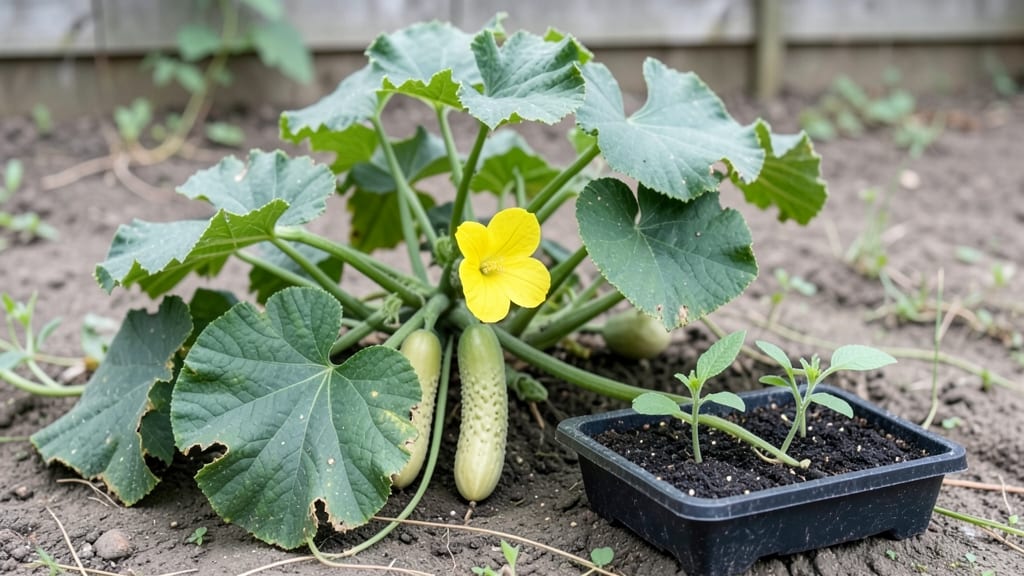
Planting lemon cucumbers in containers gives you zesty, vine-ripened fruit that tastes nothing like store-bought. 🌱 I learned the hard way that these aren't your average cucumbers—they need warm soil, consistent moisture, and a sturdy trellis to climb.
The payoff? Bright yellow fruit with a tangy, almost citrusy flavor that keeps producing from early summer through fall.
Start with a 5-gallon container at minimum, filled with well-draining potting mix rich in compost. Lemon cucumbers thrive in full sun (6+ hours daily) and need 1-2 inches of water weekly—more in heat waves.
Plant seeds 1 inch deep, 2-3 per container, then thin to the strongest sprout. The secret to their sweet flavor? Pruning aggressively—pinch off side shoots early to focus energy on fruit production.
By mid-summer, you’ll harvest 3-5 cucumbers per plant weekly, each about 6 inches long with a crisp, lemony bite. They’re less prone to powdery mildew than regular cucumbers, but watch for cucumber beetles—cover young plants with row fabric until they’re established.
The best part? These vines keep growing until frost, so with proper care, you’ll enjoy fresh harvests for months.
Works in zones 4-11, though containers let you grow them anywhere with a sunny spot. For cooler climates, start seeds indoors 4-6 weeks before last frost and move containers outside after soil warms to 70°F. The 3 simple trims I mention?
They’re the game-changers that turn bushy, unproductive vines into fruit machines. Ready to grow your own zesty harvest?
📚 In This Guide
- What you need
- Instructions
- Tips and common mistakes
- Wrapping up and next steps
What you need
- ● Lemon cucumber seeds or seedlings: 3–5 plants (choose disease-resistant varieties like 'Lemon' or 'Tyria' for best results).
- ● Container: At least 5-gallon pots (12–18 inches deep) with drainage holes—one per plant for optimal growth.
- ● Potting mix: High-quality, well-draining blend (e.g., 60% garden soil + 40% compost or coconut coir). Avoid heavy clay mixes!
- ● Fertilizer: Balanced, slow-release granular (10-10-10) or liquid fertilizer (like fish emulsion) for a nutrient boost.
- ● Trellis or stakes: 4–6 ft tall (bamboo or metal mesh works great) to support vining plants.
- ● Watering can or hose: With a gentle spray nozzle to avoid damaging delicate leaves.
- ● Pruning shears: Sharp, clean pair for trimming (sterilize with rubbing alcohol between cuts!).
- ● Mulch (straw or shredded leaves) to retain moisture and suppress weeds.
- ● Grow lights (if indoors) for 12–14 hours of light daily.
- ● pH test kit (ideal soil pH: 6.0–6.8 for cucumbers).
- ● Compost tea or mycorrhizal fungi to supercharge soil health.
- ● Row covers (lightweight fabric) to protect from pests like cucumber beetles.
Step-by-Step guide to planting lemon cucumbers for a year-round harvest
Here's the straightforward method I've used to grow productive lemon cucumber vines in any season.
🌱 Step 1: Prepare the Planting Site and Soil
Lemon cucumbers thrive in well-draining soil with plenty of organic matter. Choose a location that receives 6-8 hours of direct sunlight daily—they won’t tolerate shade. If you’re planting in containers, ensure each pot is at least 12 inches deep and wide since these vines spread aggressively.
Work in a 2-3 inch layer of compost mixed into the top 6 inches of soil. Lemon cucumbers are heavy feeders, so I always add a balanced organic fertilizer (like 5-5-5) at planting time. The goal is loose, fertile soil that holds moisture but drains freely—these plants wilt quickly in soggy conditions.
🌱 Step 2: Plant Seeds or Transplants at the Right Time
For direct sowing, plant seeds ½ inch deep and 2 inches apart in rows spaced 3-4 feet apart. If you’re starting with transplants, space them 18-24 inches apart to give roots room to establish. I always plant after the last frost date in spring or wait until soil temperatures reach 60°F—cold soil slows germination and invites rot.
Press the soil gently around seeds or transplants to eliminate air pockets. Water immediately after planting to settle the soil and remove any gaps. Mulch with 2-3 inches of straw or shredded leaves to retain moisture and suppress weeds. This is where many gardeners go wrong—they skip mulch and end up watering twice daily.
☀️ Step 3: Provide Consistent Water and Support
Lemon cucumbers need 1-2 inches of water per week, delivered at the base of the plant—not overhead. I water deeply every morning to encourage strong root growth, then again in the evening if temperatures exceed 85°F. Yellowing leaves usually mean underwatering, but mushy stems signal overwatering—both are easy to avoid with consistent care.
Install a trellis or sturdy cage immediately after planting. These vines grow 6-8 feet long and need vertical support to prevent disease and improve air circulation. Train young vines with soft ties, and you’ll see them climb eagerly within a week. Prune side shoots regularly to direct energy into fruit production—this is the key to those sweet, bumpy lemon cucumbers.
✂️ Step 4: Prune and Harvest for Continuous Production
Once vines reach 3-4 feet tall, start pruning aggressively. Remove all male flowers (they look like tiny buds without petals) to force the plant to focus on female flowers, which produce fruit. I also trim back any leggy growth that’s stretching toward light—this keeps the plant compact and productive.
Harvest cucumbers when they’re 4-6 inches long and still firm to the touch. Use pruning shears to cut stems cleanly, and you’ll encourage more flowers to form. Regular harvesting prevents bitter flavors and overcrowding. With proper pruning, a single plant can yield 20-30 pounds of cucumbers per season—far more than most gardeners expect.
Tips & tricks for perfect lemon cucumber planting
These simple yet game-changing strategies will help you maximize your lemon cucumber harvest with minimal effort.
Soil Temperature Matters: The 60°F soil temperature threshold in Step 2 is non-negotiable for germination. Use a soil thermometer to verify—cold soil slows seedling development and makes plants vulnerable to rot. I've seen seeds fail to sprout when planted too early, even if air temperatures seem warm. For container growers, black plastic pots absorb heat faster and can help reach that critical temperature sooner.
Pruning Strategy for Year-Round Production: In Step 4, when you reach the 3-4 feet pruning stage, focus on removing only the male flowers and leggy growth—never cut more than 20% of the vine at once. This aggressive pruning forces the plant to redirect energy to fruit production rather than foliage. I've found that plants pruned this way continue producing for months, while over-pruned vines often go dormant.
Watering Technique: The 1-2 inches per week guideline in Step 3 works best when delivered consistently. I water deeply every morning to encourage deep root growth, then add an evening watering only when temperatures exceed 85°F. The key is keeping the soil evenly moist—not soggy. Yellowing leaves typically signal underwatering, but mushy stems mean you've overdone it. A moisture meter helps avoid these extremes.
Container Growing Hack: For those using containers, choose pots that are at least 12 inches deep and wide—these vines need room to spread. I add a 2-3 inch layer of compost mixed into the top 6 inches of potting mix, then top with 2-3 inches of straw mulch to retain moisture. This setup mimics ideal garden conditions while preventing the rapid drying that plagues many container gardens.
Pro Tips for Planting Lemon Cucumbers
- These simple yet game-changing strategies will help you maximize your lemon cucumber harvest with minimal effort.
- Soil Temperature Matters: The 60°F soil temperature threshold in Step 2 is non-negotiable for germination.
- Pruning Strategy for Year-Round Production: In Step 4, when you reach the 3-4 feet pruning stage, focus on removing only the male flowers and leggy growth—never cut more than 20% of the vine at once.
Frequently asked questions
Got questions about growing lemon cucumbers?
You’re not alone! Here are answers to the most common queries to help you grow these zesty, tangy treats like a pro.
When is the best time to plant lemon cucumbers?
Lemon cucumbers thrive in warm soil (60°F+). Plant them 2-3 weeks after your last frost date in spring or 6-8 weeks before your first fall frost for a late harvest. In warm climates, you can grow them year-round! For containers, ensure pots are at least 12 inches deep and use well-draining soil.
How long does it take for lemon cucumbers to grow?
From seed to harvest, expect 50-70 days for lemon cucumbers to ripen. If you’re starting with transplants, you’ll see fruit in 30-40 days. Pro tip: Prune vines regularly (see our 3-trimming guide!) to boost yield and speed up fruiting.
Can I grow lemon cucumbers in containers without a trellis?
Yes, but they’ll need support—even in pots! Use a small trellis, cage, or stakes to keep vines contained and improve airflow (which prevents disease). Without support, vines sprawl, reducing fruit production. For containers, 1-2 plants per 5-gallon pot works best.
Why aren’t my lemon cucumbers growing? Troubleshooting tips.
Common issues and fixes:
- Yellow leaves: Overwatering or poor drainage. Let soil dry slightly between waterings.
- No flowers/fruit: Needs more sun (6+ hours daily) or fertilizer (use a balanced 10-10-10 mix).
- Bitter taste: Overripe or stressed plants. Harvest when 2-3 inches long and keep soil consistently moist.
- Pests (aphids/spider mites): Spray with neem oil or introduce ladybugs for natural control.
What’s the difference between lemon cucumbers and regular cucumbers?
Lemon cucumbers are smaller (2-4 inches), rounder, and sweeter with a lemony tang—perfect for snacking or salads! They’re also more disease-resistant than slicing cucumbers. For a hybrid twist, try ‘Lemon Drop’ or ‘Sweet Success’ varieties.
Wrapping up and next steps
Growing lemon cucumbers in containers is a rewarding way to enjoy fresh, tangy harvests year-round with just three simple trims! Whether you’re a seasoned gardener or a beginner, these versatile plants thrive with minimal space and care—just pick the right variety, provide consistent sunlight, and keep them pruned.
Your effort will pay off with bursting flavors and a garden that’s as beautiful as it is productive.
Ready to dive in? Start by planting your seeds or seedlings this week—your first crisp, lemony cucumber could be just a few months away! 🌱 For extra tips, check out our FAQ section or share your progress with the gardening community. Happy growing!