
Pruning
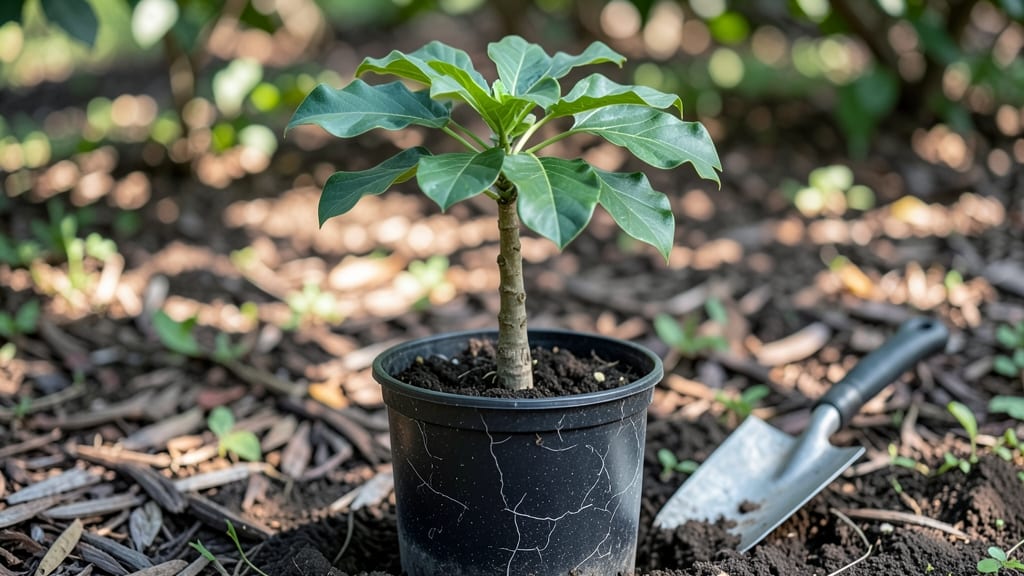
Planting a jackfruit tree in your yard means tropical harvests in just three years—if you follow the right steps. 🌿 I’ve grown them from both seeds and saplings, and the difference in timing and reliability is huge.
The key is starting with the right soil, climate match, and a little patience for the first few months.
You’ll need well-draining soil mixed with compost, a spot with full sun (at least 6 hours daily), and protection from strong winds—especially if you’re in a coastal or monsoon-prone area.
Saplings give you a head start, while seeds take longer but can be more rewarding if you’re up for the wait. Either way, spacing matters: give each tree at least 20 feet of room to spread.
Once planted, keep the soil consistently moist but not soggy for the first year, then taper off as the roots establish. By year three, you’ll see those massive, fragrant leaves—and if you’re lucky, your first fruit. The smell alone is worth the effort, but the taste? That’s the real game-changer.
Works best in USDA zones 10-12, but with some extra care (like winter protection), you can grow them in zones 9-10 too. Here’s how to set yours up for success from day one.
📚 In This Guide
- What you need
- Instructions
- Tips and common mistakes
- Wrapping up and next steps
What you need
- ● Jackfruit seed or sapling: 1 high-quality seed (or 1 young sapling, if available). Choose seeds from organic, ripe jackfruit for better germination rates.
- ● Well-draining potting mix: 5 gallons of a blend of coco coir, perlite, and compost (ratio: 2:1:1). Avoid heavy clay soil.
- ● Pot or planting hole: For pots: 1 large container (15+ gallons) with drainage holes.
- ● For ground planting: A hole twice as wide as the root ball and equally deep.
- ● Pruning shears or knife: 1 pair (sterilized) for trimming roots or stems if needed.
- ● Watering can or hose: 1 with a gentle spray nozzle for hydration.
- ○ Mulch (optional but recommended): 2-3 inches of organic mulch (e.g., straw or wood chips) to retain moisture and regulate soil temperature.
- ● Fertilizer: Slow-release organic fertilizer (e.g., 10-10-10 NPK blend) to boost early growth.
- ● Soil moisture meter: 1 to monitor hydration levels (jackfruit trees love moisture but hate soggy roots!).
- ● Shade cloth: Lightweight mesh to protect young seedlings from harsh sun.
- ● Support stake: 1 bamboo or metal stake (for ground-planted saplings to prevent toppling).
- ● Gloves: 1 pair to protect your hands from thorns (yes, jackfruit trees have them!).
Step-by-step instructions for planting a jackfruit tree
Here's how to grow a thriving jackfruit tree from seed to fruit-bearing beauty.
🌱 Step 1: Select and Prepare Your Seed
Start with a fresh, plump jackfruit seed—avoid dried or shriveled ones. Remove the seed from the fruit by cutting through the tough outer layer with a sharp knife. Rinse it thoroughly under running water to remove any remaining pulp. I like to soak the seed in warm water for 24 hours to soften the outer shell and speed up germination.
After soaking, gently rub the seed with sandpaper to scratch the hard outer coating. This helps water penetrate and encourages faster sprouting. Place the seed on a paper towel, cover it with another towel, and keep it in a warm, dark spot. Check daily—you'll see the first signs of germination in 5-10 days when a tiny sprout appears.
🪴 Step 2: Choose the Right Container and Soil
For your young jackfruit seedling, use a 6-inch diameter pot with drainage holes. Fill it with a mix of 50% potting soil and 50% perlite or coconut coir to ensure good drainage. Jackfruit trees hate soggy roots, so this blend prevents rot while keeping moisture balanced.
Plant the germinated seed about 1 inch deep in the soil, with the sprout facing upward. Press the soil lightly around the seed to secure it but don’t compact it too tightly. Water gently until the soil feels evenly moist—like a damp sponge. Place the pot in a warm spot with bright, indirect light for the first few weeks.
☀️ Step 3: Provide Ideal Growing Conditions
Jackfruit trees thrive in warmth and humidity, so maintain a temperature between 75-85°F and keep the soil consistently moist but not waterlogged. Once the seedling grows 4-6 inches tall and develops its first true leaves, move it to a larger 12-inch pot with fresh soil mix.
Place the pot in a location with full sun exposure—at least 6-8 hours daily. If growing indoors, supplement with a grow light to prevent leggy growth. You’ll know the light is right when the leaves stay dark green and firm, not pale or stretching toward the sun.
⏰ Step 4: Transplant Outdoors When Ready
After 6-12 months, when your jackfruit tree reaches 3-4 feet tall and shows strong, healthy growth, it’s time to transplant outdoors. Choose a spot with well-draining soil and full sun, protected from strong winds. Dig a hole twice as wide as the pot but no deeper.
Carefully remove the seedling from its pot, loosen the roots gently, and place it in the hole at the same depth it was growing. Backfill with soil, water deeply, and add a 2-inch layer of mulch around the base to retain moisture. Keep the soil moist for the first 2 weeks to help the tree establish its roots.
🌿 Step 5: Maintain for Long-Term Growth
Water your jackfruit tree deeply once a week during dry spells, allowing the top 2 inches of soil to dry out between waterings. Fertilize every 2 months with a balanced, slow-release fertilizer to encourage strong growth. Prune any dead or damaged branches to keep the tree healthy and promote new growth.
With patience and care, your jackfruit tree will reward you with fruit in 3-5 years. Watch for large, spiky green flowers that eventually turn into the iconic jackfruit—your tropical harvest is on the way!
Tips & tricks for growing a jackfruit tree
Growing a jackfruit tree from seed takes patience, but these tips will help you avoid common pitfalls and maximize your chances of success.
Seed Preparation Secret: The 24-hour soak in warm water is your best friend for breaking down that tough outer shell. I like to use a glass jar with warm (not hot) water to monitor the seed—you'll see the shell start to soften noticeably. After soaking, don't skip the sandpaper step! Scratching the shell creates tiny openings that let water penetrate, which can cut your germination time by half. I've seen seeds sprout in just 3-5 days when done properly.
Soil Mix Strategy: That 50/50 blend of potting soil and perlite/coconut coir is non-negotiable for young seedlings. Too much potting soil alone can compact and suffocate roots, while too much perlite might not hold enough moisture. I like to add a handful of worm castings to the mix for extra nutrients—jackfruit trees are hungry plants! When planting your 1-inch deep, make sure the sprout points upward and stays that way, even if it means rotating the seed.
Lighting Transition: The move from bright indirect light to full sun at the 4-6 inch mark is critical. I recommend doing this gradually over 7-10 days to avoid shocking the seedling. Start by moving it closer to a south-facing window each morning, then gradually increase exposure. You'll know you're doing it right when the leaves stay dark green and firm—no yellowing or stretching toward the light. For indoor growers, a full-spectrum LED grow light works wonders for that 6-8 hours of daily light requirement.
Transplant Timing: Waiting until your tree reaches 3-4 feet tall before transplanting outdoors gives it strong enough roots to handle the shock. I've seen trees that were transplanted too early struggle for months to recover. When you do transplant, that 2-week moisture maintenance period is crucial—think of it as giving your tree a drink of water before it has to fend for itself. A soaker hose makes this easy by delivering water directly to the roots without disturbing the soil.
Pro Tips for Planting Jackfruit Tree
- Growing a jackfruit tree from seed takes patience, but these tips will help you avoid common pitfalls and maximize your chances of success.
- Seed Preparation Secret: The 24-hour soak in warm water is your best friend for breaking down that tough outer shell.
- Soil Mix Strategy: That 50/50 blend of potting soil and perlite/coconut coir is non-negotiable for young seedlings.
Frequently asked questions
When is the best time to plant a jackfruit tree?
The ideal time to plant jackfruit is during the early rainy season (spring or summer in tropical climates) or after the monsoon ends. This gives young roots time to establish before dry spells. In cooler regions, wait until spring when soil temperatures stay above 60°F (15°C). Avoid planting in frost-prone areas—jackfruit is not frost-tolerant!
How long does it take for a jackfruit tree to bear fruit?
With optimal care, a jackfruit tree can produce fruit in 3–5 years from planting. Dwarf varieties may fruit sooner (2–3 years), while standard trees take longer. Patience is key! Prune young trees to encourage strong growth, and ensure they get full sun (6+ hours daily) and well-draining soil. Pro tip: Use organic compost to boost early flowering.
Can I grow a jackfruit tree in a pot, or does it need to be planted in the ground?
Jackfruit trees thrive in the ground but can grow in large containers (20+ gallons) for 1–2 years before transplanting. Use a fast-draining mix (cactus soil + perlite) and repot every 2–3 years. Warning: Potted trees may fruit later and need winter protection in cold climates. For best results, plant outdoors in warm zones (USDA 10–12).
What pests or diseases should I watch for, and how do I treat them?
Common issues include:
- Root rot (from overwatering): Ensure soil drains well and avoid soggy conditions.
- Scale insects or mealybugs: Spray with neem oil or insecticidal soap.
- Fungal leaf spots: Prune infected leaves and apply copper fungicide.
- Jackfruit borers: Remove infested branches and treat with borax-based solutions.
Preventative tip: Mulch around the base to deter pests and retain moisture.
How do I protect my jackfruit tree in cold weather?
Jackfruit trees cannot survive frost (below 32°F/0°C). In cooler climates:
- Grow in containers and move indoors near a sunny window.
- Cover young trees with burlap or frost cloth if temps dip near 40°F (4°C).
- Avoid planting outdoors until all frost risk has passed.
If your tree is established, prune back damaged leaves in spring and fertilize to recover.
Wrapping up and next steps
Planting a jackfruit tree is a rewarding journey—one that promises lush foliage, fragrant blooms, and delicious, tropical harvests in just three years! 🌱 With the right soil, sunlight, and care, you’ll nurture a thriving tree that not only beautifies your space but also provides a bountiful crop.
Now that you’re armed with the essentials, there’s no time like the present to dig in and start growing.
Ready to take the next step? Mark your calendar for planting season, gather your supplies, and watch your jackfruit tree flourish—one leaf, one fruit, and one happy harvest at a time! 🌴✨