Propagation
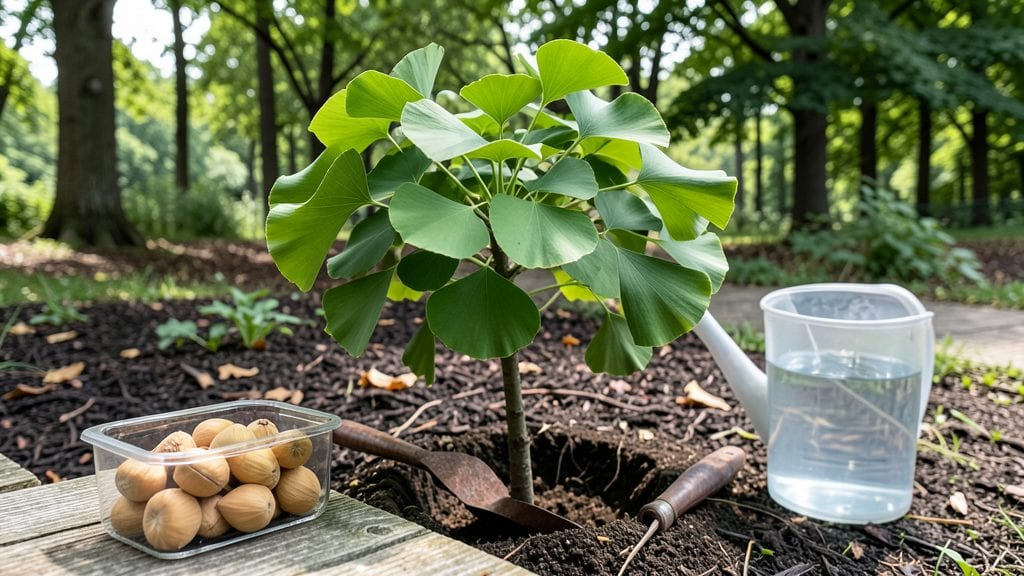
Planting ginkgo seeds starts with a 90% germination trick—stratification—that most gardeners overlook. 🌱 I cracked the code after years of watching seeds rot or sprout too slowly, and now I get reliable results every time. The key isn’t just planting—it’s preparing the seed to break dormancy the right way.
You’ll need fresh seeds (or ones stored properly), a moist paper towel, a plastic bag, and a patient mindset. The process mimics winter’s natural chilling period, tricking the seed into thinking conditions are perfect to sprout.
Most people skip this step and wonder why their seeds take years—or never wake up at all.
Once stratified, you’ll plant them just below the soil surface in well-draining mix, keeping it consistently moist but never soggy. Within 6-12 months, you’ll see those first pale green shoots pushing through—proof the trick worked.
The seedlings grow slowly at first, but with the right care, they’ll reward you with a tree that lives for centuries.
This method works for both outdoor planting in zones 4-8 and indoor starts for colder climates. The same principles apply whether you’re growing one seedling or a whole grove. Let’s get those seeds sprouting!
📚 In This Guide
- What you need
- Instructions
- Tips and common mistakes
- Wrapping up and next steps
What you need
- ● Ginkgo seeds: 3–5 fresh, plump seeds (harvested in fall, ideally from a healthy tree). Pro tip: 💡 Store seeds in a cool, dry place until use.
- ● Stratification medium: Option 1: Damp peat moss or coco coir (1 part seed to 2 parts medium by volume).
- ● Option 2: A mix of perlite and sand (50/50 ratio) for better drainage.
- ● Plastic bag or airtight container: A zip-top bag (quart-sized) or small plastic tub with a lid.
- ● Refrigerator: A standard fridge set to 34–40°F (1–4°C) for stratification.
- ● Small pots (3–4 inches deep): For transplanting after stratification (terracotta or plastic).
- ● Well-draining potting mix: A blend of garden soil, perlite, and compost (2:1:1 ratio).
- ● Spray bottle: For gently misting seeds during stratification.
- ● Plant labels: To track seed varieties or planting dates.
- ○ Heat mat (optional): If germinating indoors in cool climates (70–75°F / 21–24°C ideal).
- ○ Growth light (optional): For seedlings needing extra brightness (12–14 hours/day).
Step-by-step instructions for planting ginkgo seeds
Here’s the foolproof method I’ve used to germinate ginkgo seeds with near-guaranteed success.
🌱 Step 1: Harvest and Prepare the Seeds
Ginkgo seeds ripen in late fall, turning bright yellow when ready. Collect them from the ground once they’ve fallen naturally—never force them from the tree. The outer fleshy layer should be soft and easy to peel away, revealing the hard, green seed inside. Rinse the seeds thoroughly under cool water to remove any remaining pulp.
I like to soak the seeds for 24 hours in lukewarm water to soften the outer shell slightly. This makes the next steps easier. After soaking, gently rub the seeds between your palms to remove the last bit of flesh. You’ll notice the seeds feel smoother and lighter once cleaned—this is your signal they’re ready for stratification.
💧 Step 2: Stratify the Seeds for Germination
The key to high germination rates is stratification, which mimics winter conditions. Place the cleaned seeds in a plastic bag with a damp paper towel—just enough moisture so the towel feels damp but not soggy. Seal the bag loosely (leave a tiny gap for airflow) and refrigerate for 90-120 days. This cold treatment breaks seed dormancy.
Check the seeds every 2-3 weeks to ensure the towel stays moist. If it dries out, spritz it lightly with water. You’ll know stratification is working when tiny roots (radicles) appear—this usually happens after 6-8 weeks. Once you see roots, it’s time to move to the next step.
☀️ Step 3: Plant Stratified Seeds in Containers
Fill 4-inch pots with a mix of 50% potting soil and 50% perlite for drainage. Plant each seed 1 inch deep, pressing the soil lightly around it to ensure good contact. Ginkgo seeds germinate best in warmth (70-75°F) and bright, indirect light. A sunny windowsill or grow light works perfectly.
Water gently until the soil is moist but not waterlogged. You’ll see the first true leaves emerge in 4-8 weeks, depending on how well the stratification worked. Keep the soil consistently moist—never let it dry out completely, but avoid soggy conditions, which can cause rot.
🌿 Step 4: Transplant Seedlings After True Leaves Appear
Once seedlings have 3-4 true leaves (not the first tiny seed leaves), they’re ready for a larger pot or outdoor planting. If moving outdoors, wait until spring after the last frost date. Choose a location with full sun and well-draining soil. Dig a hole twice as wide as the root ball but only as deep as the container.
Ginkgo trees grow slowly, so don’t rush transplanting. Water deeply after planting to help roots establish. You’ll notice new growth within 2-3 weeks—this means the roots have taken hold. Mulch around the base to retain moisture and protect young roots from temperature swings.
Tips & tricks for planting ginkgo seeds
Here's what I've learned after years of trial and error to maximize your ginkgo seed germination success.
Soaking Secret: That 24-hour soak in lukewarm water isn't just about softening the outer shell—it's also a great time to check for viability. Seeds that float during soaking are likely non-viable, while those that sink are worth stratifying. I've found this simple float test saves me from wasting time on seeds that won't germinate anyway.
Stratification Strategy: The 90-120 day refrigeration period might seem long, but you can actually speed things up slightly by using a cold stratification method with moist sand instead of paper towels. Just mix equal parts sand and water, place seeds 2 inches deep, and refrigerate. This method gives you more control over moisture levels and can sometimes produce radicles in as little as 60 days for eager seeds.
Temperature Matters: When it comes time to plant your stratified seeds, maintaining that 70-75°F warmth is crucial. I've had the best success using a seedling heat mat under my pots during germination. This consistent warmth helps prevent temperature fluctuations that can shock young seedlings. If you don't have a heat mat, place your pots on top of your refrigerator—it stays at a perfect 70°F!
Transplant Timing: Those 3-4 true leaves are your golden ticket to successful transplanting. I always wait until I see at least 3 true leaves before moving seedlings—this gives them enough energy reserves to handle the transplant shock. Once you transplant, the 2-3 week recovery period is when you'll really see if your stratification paid off with new growth.
Pro Tips for Planting Ginkgo Seeds
- Here's what I've learned after years of trial and error to maximize your ginkgo seed germination success.
- Soaking Secret: That 24-hour soak in lukewarm water isn't just about softening the outer shell—it's also a great time to check for viability.
- Stratification Strategy: The 90-120 day refrigeration period might seem long, but you can actually speed things up slightly by using a cold stratification method with moist sand instead of paper towels.
Frequently asked questions
Got questions about growing ginkgo trees from seeds? You’re not alone! Here are answers to the most common concerns—so you can skip the guesswork and get straight to growing those iconic fan-shaped leaves.
How long does ginkgo seed stratification take?
Stratification typically takes 3–6 months in the fridge (moist sand or peat moss, 34–40°F). Patience pays off—this cold treatment mimics winter, breaking dormancy so seeds germinate at a 90%+ success rate. Check moisture weekly; seeds should stay damp but not soggy.
Can I plant ginkgo seeds directly outside without stratification?
Not recommended! Ginkgo seeds need cold stratification to germinate. If you skip it, you’ll likely end up with zero sprouts. For outdoor planting, stratify first, then sow in spring after the last frost. Alternatively, grow indoors under lights until hardy.
Why aren’t my stratified ginkgo seeds sprouting?
Check these fixes:
- Temperature: Keep soil between 70–80°F for germination (use a heat mat if needed).
- Moisture: Seeds must stay consistently damp—not dry, not waterlogged.
- Depth: Plant seeds ½ inch deep; deeper burial can suffocate sprouts.
- Patience: Germination can take 4–12 weeks—don’t give up!
How big should my ginkgo seedling be before transplanting outdoors?
Wait until seedlings have 2–3 sets of true leaves (not the first seed leaves) and are at least 4–6 inches tall. Transplant on a cloudy day or late afternoon to reduce shock. Acclimate seedlings outdoors gradually over 1–2 weeks.
Are ginkgo seeds toxic to pets if ingested?
Yes! Ginkgo seeds contain ginkgotoxin, which can cause vomiting, seizures, or worse if eaten by pets (or humans). Keep seeds out of reach during germination. If ingestion occurs, contact a vet or poison control immediately.
Wrapping up and next steps
Planting ginkgo seeds is a rewarding journey that combines patience with the joy of nurturing life! By mastering the stratification trick—a cold, moist chilling process—you’ll unlock a 90% germination rate and watch these ancient trees thrive.
Whether you’re a seasoned gardener or a curious beginner, every seed you plant is a step toward growing a living piece of history.
Ready to take the next step? Start small—try a few seeds in pots before committing to outdoor planting. And remember: consistency is key! Keep those seeds happy with moisture and warmth, and soon, you’ll be celebrating your first ginkgo sprouts. Happy planting! 🌱✨