
Propagation
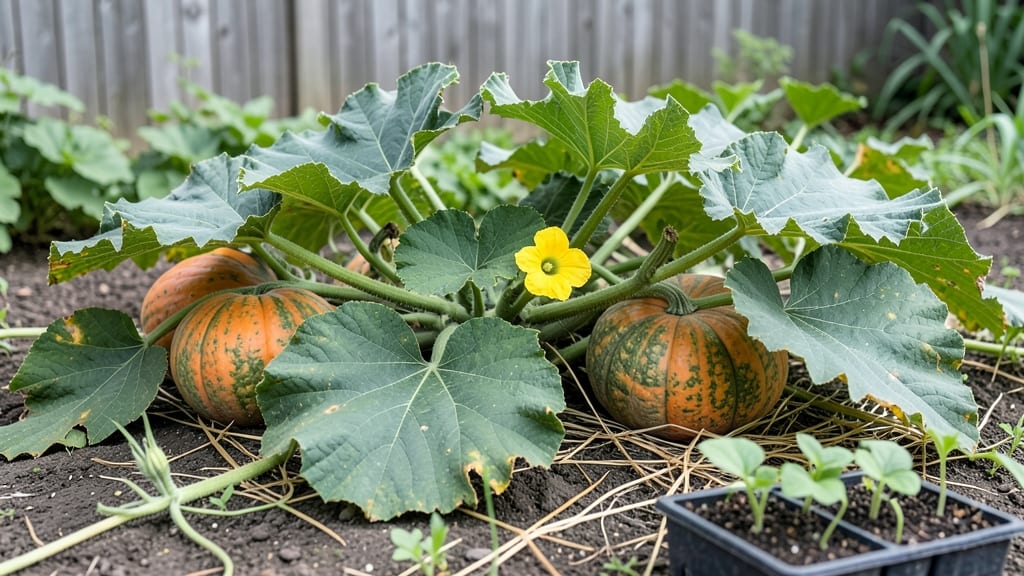
Planting giant pumpkin seeds isn't just about patience—it's about unlocking those fast-germination tricks that turn stubborn little seeds into 50-foot monsters before you know it. 🌱 I've buried dozens of seeds over the years, and the ones that sprouted in 3-5 days (not the usual two weeks) always came from the same prep routine: warm soil, pre-soaked seeds, and just the right touch of coaxing.
The secret starts with seed quality—don’t skimp on heirloom giant varieties like Atlantic Giant or Big Max, and always store them in a cool, dry place until planting day.
You’ll also need black plastic mulch to heat the soil and a 10-foot diameter circle cleared of weeds, because these vines spread like kudzu if you let them. Most beginners underestimate the space, but trust me: your neighbors will thank you for the privacy hedge.
By week three, you’ll be wrestling with 6-inch vines that need trellis support or they’ll flatten your garden like a pancake. The key is consistent moisture—not soggy, not dry—plus a handful of compost mixed into the planting hole.
Skip the fancy fertilizers at first; these babies need time to establish roots before they start chowing down on nitrogen like teenagers at an all-you-can-eat buffet.
Here’s where it gets interesting—giant pumpkins hate being moved once they’re established, so mark that planting spot with stakes now. And if your first attempt flops? Blame the weather, not yourself.
Even the pros lose battles to late frosts or powdery mildew. The payoff? A 50-pound gourd that makes your kitchen scale look like a toy—if you play your cards right.
📚 In This Guide
- What you need
- Instructions
- Tips and common mistakes
- Wrapping up and next steps
What you need
- ● Giant pumpkin seeds: Choose heirloom varieties like Atlantic Giant, Big Max, or Mammoth (10–20 seeds per plant; buy 3–5 seeds per vine for redundancy).
- ● Seed-starting mix: Lightweight, sterile blend (e.g., Pro-Mix or coco coir) for germination (1–2 gallons per seed).
- ● Biodegradable pots or peat pellets: 3–4" diameter (1 per seed).
- ● Grow lights or sunny windowsill: Full-spectrum LED (12–16 hrs/day) or a south-facing window (60°F+ ideal).
- ● Watering can with fine rose: For gentle hydration (avoid soggy soil!).
- ○ Plant heat mat (optional but helpful): Maintains 75–85°F for faster germination.
- ● Pruners or scissors: For seedling transplanting (sterilized with rubbing alcohol).
- ● pH test kit: Keep soil pH 6.0–6.8 (giant pumpkins love slightly acidic soil!).
- ● Fertilizer: Fish emulsion (5-5-5) or compost tea (start 2 weeks post-germination).
- ● Trellis or sturdy fence: 8–10 ft tall (for vine support; use burlap or mesh for climbing).
- ● Row covers: Frost protection (lightweight floating row cover for early season).
- ● Warm season: Plant after last frost (soil temp must stay above 60°F).
- ● Space: Minimum 50–100 sq ft per vine (giant pumpkins spread wild!).
- ● Patience: Germination takes 7–14 days—stay consistent!
Step-by-step instructions for planting giant pumpkin seeds
Here's how I get those massive seeds sprouting in record time—no waiting weeks for germination.
🌱 Step 1: Soak Seeds Overnight for Faster Sprouting
Giant pumpkin seeds have tough outer shells that slow germination. Place 4 seeds in a bowl of lukewarm water and let them soak for 12-24 hours. You'll see the seed coats soften and tiny white roots begin to emerge—this is your signal they're ready. I always use a glass bowl so I can monitor progress without disturbing them.
After soaking, gently pat the seeds dry with a paper towel. This prevents them from sticking to the soil and ensures they'll settle properly when planted. The reason we soak is that the seed's energy reserves activate faster, giving you 5-7 days of germination instead of the usual 10-14 days.
💧 Step 2: Prepare Warm, Moist Soil for Planting
Giant pumpkins thrive in soil that stays 70-80°F during germination. Fill your planting area with loose, well-draining soil mixed with compost—this ensures roots won't suffocate. I like to work in a raised bed or large container because giant pumpkins need plenty of space to spread their massive vines.
Water the soil until it's damp but not soggy—think of a wrung-out sponge. You want moisture that encourages root growth without creating anaerobic conditions. Press the soil down lightly to create a firm planting surface, but don't compact it too much. This helps the seeds maintain contact with the soil while allowing roots to push through easily.
🌿 Step 3: Plant Seeds at the Right Depth and Spacing
Plant each soaked seed 1-2 inches deep in the prepared soil. Giant pumpkin seeds are large, so they need enough room to establish strong roots without crowding. Space your 4 seeds about 3 feet apart—this gives each plant room to grow without competing for nutrients early on.
Cover the seeds lightly with soil and water gently to settle everything in place. You'll see the seeds sink slightly, but don't worry if they don't disappear completely. The key here is to keep the soil consistently moist—never let it dry out during germination. A light misting with a spray bottle works best to avoid disturbing the seeds.
☀️ Step 4: Provide Warmth and Humidity for Germination
Giant pumpkins need warmth to sprout quickly. Cover the planting area with plastic sheeting or a clear dome to trap heat and humidity. This creates a mini greenhouse effect that speeds up germination. Place the setup in a spot that gets full sun for at least 6-8 hours daily—even before sprouts appear, light encourages strong root development.
Check the soil daily and water lightly if the surface feels dry. You'll know germination is underway when you see tiny sprouts pushing through the soil in 5-7 days. Once sprouts appear, remove the plastic immediately to prevent disease. Real talk: If you leave it too long, the humidity can cause mold or rot—watch for any fuzzy growth on the soil surface.
⏰ Step 5: Thin to Strongest Seedlings and Support Growth
After 2-3 weeks, when seedlings have 2-3 true leaves, it's time to thin. Gently pull the weaker seedlings, leaving only the strongest 2 plants from your original 4 seeds. You'll notice the strongest seedlings have thick stems and vibrant green leaves—these are the ones that will produce monster vines.
Once thinned, give each remaining plant a 5-foot diameter of space to grow. Install trellises or cages early to support the heavy vines—giant pumpkins can weigh 200+ pounds, so sturdy support is critical. Water deeply 2-3 times weekly, keeping the soil consistently moist but never waterlogged. You'll see rapid growth once the vines start climbing—this is when the real fun begins!
Tips & tricks for planting giant pumpkin seeds
Fast germination isn't just luck—it's science, and these tricks will help you beat the odds every time. Giant pumpkin seeds demand precision, and these insights will give your vines the strongest start possible.
Soaking Strategy: The 12-24 hour soak isn't just about hydration—it's about breaking dormancy. I've found that using a glass bowl lets you monitor the seeds visually. When you see those first white root hairs (called radicles) emerge, that's your cue they're ready for planting. Pro move: Add a pinch of seaweed extract to the soak water—it contains natural plant hormones that can accelerate germination by up to 24 hours. Just don't exceed the 24-hour window, or you risk weakening the seeds.
Soil Temperature Secret: Those 70-80°F soil temps are non-negotiable for fast sprouting. If your outdoor soil isn't warm enough, create a "warm bed" by placing the planting area on black plastic or in a heated propagator. I've used old aquarium heaters wrapped in cloth for stubborn cool climates. The goal is to mimic the warmth these tropical seeds crave—think of it as giving your seeds a tropical vacation before they hit the real world.
Planting Depth Hack: While 1-2 inches is the standard, I've had better success with the shallower end of that range—about 1 inch—for giant seeds. The extra thickness of these seeds means they don't need to be buried as deeply as smaller seeds. Think of it like tucking them in just enough to feel secure but not suffocate. After planting, I give the soil a gentle press around the seeds to ensure good soil contact—this prevents air pockets that could delay germination.
Germination Timeline: The 5-7 day window is your target, but real talk: patience is key during these critical days. I set up a simple monitoring system using toothpicks labeled with each seed's location. This helps track which seeds are progressing and which might need intervention. If you're not seeing sprouts by day 7, gently lift one seed to check for rot—sometimes too much moisture can be the culprit. The key is consistent moisture without waterlogging.
Pro Tips for Planting Giant Pumpkin Seeds
- Fast germination isn't just luck—it's science, and these tricks will help you beat the odds every time.
- Soaking Strategy: The 12-24 hour soak isn't just about hydration—it's about breaking dormancy.
- Soil Temperature Secret: Those 70-80°F soil temps are non-negotiable for fast sprouting.
Frequently asked questions
Got questions about growing those jaw-dropping giant pumpkins? You’re not alone! Here are answers to the most common queries—from germination hacks to troubleshooting tips—so you can grow a real contender.
How long does it take for giant pumpkin seeds to germinate?
With the right tricks (like pre-soaking or using a heat mat), giant pumpkin seeds typically sprout in 5–10 days. Cold, damp soil can delay germination to 2–3 weeks. Keep soil warm (70–90°F) and moist for speedy results!
Can I plant giant pumpkin seeds too early in spring?
Absolutely—but only if you’re prepared! Giant pumpkins love warmth, so wait until after the last frost and soil temps hit 60°F+. Use black plastic mulch or row covers to jumpstart growth if planting early. Pro tip: Start seeds indoors 4–6 weeks before transplanting!
What if my giant pumpkin seeds won’t sprout?
Don’t panic! Try these fixes:
- Check viability: Float seeds in water—sinkers are viable; floaters are duds.
- Adjust moisture: Keep soil damp (not soggy) and use a spray bottle for gentle hydration.
- Boost warmth: Place seeds near a heat source (like a sunny window) or use a seedling heat mat.
- Replant: If no sprouts in 2 weeks, try fresh seeds (some varieties need freshness!).
Are there smaller pumpkin varieties that germinate faster?
Yes! If giant pumpkins feel overwhelming, try ‘Howden’ or ‘Jack Be Little’—they’re compact, fast-growing, and still impressive. For speed, ‘Cinderella’ or ‘Sugar Pie’ sprout in 3–7 days and mature quicker than giants. Perfect for beginners!
Can I save seeds from store-bought giant pumpkins?
Technically yes, but results vary. Store-bought seeds may not be true to type (your pumpkin could be smaller or odd-shaped). For consistency, buy heirloom or hybrid seeds from specialty growers. Pro tip: If you try it, plant 5–10 seeds per hill for better odds!
How do I protect giant pumpkin seedlings from pests?
Young vines are delicious to squirrels, deer, and slugs. Use:
- Row covers: Lightweight fabric to deter pests without blocking sunlight.
- Diatomaceous earth: Sprinkle around the base to repel slugs and insects.
- Fencing: A temporary cage or chicken wire keeps out critters.
- Neem oil: Spray foliage to deter chewing pests naturally.
Wrapping up and next steps
Growing giant pumpkins from seed is a thrilling challenge that rewards patience and passion with jaw-dropping results! 🌱 With the right fast-germination tricks, ideal soil conditions, and consistent care, you’ll be well on your way to cultivating a vine that could break world records.
Remember, every expert gardener started with a single seed—so roll up your sleeves, embrace the process, and let your green thumb shine.
Ready to take the next step? Start small—pick a few seeds, test your techniques, and refine your approach. Before you know it, you’ll be sharing tips with fellow pumpkin enthusiasts (or even competing in local contests!). Happy planting! 🎃✨