
Shrubs
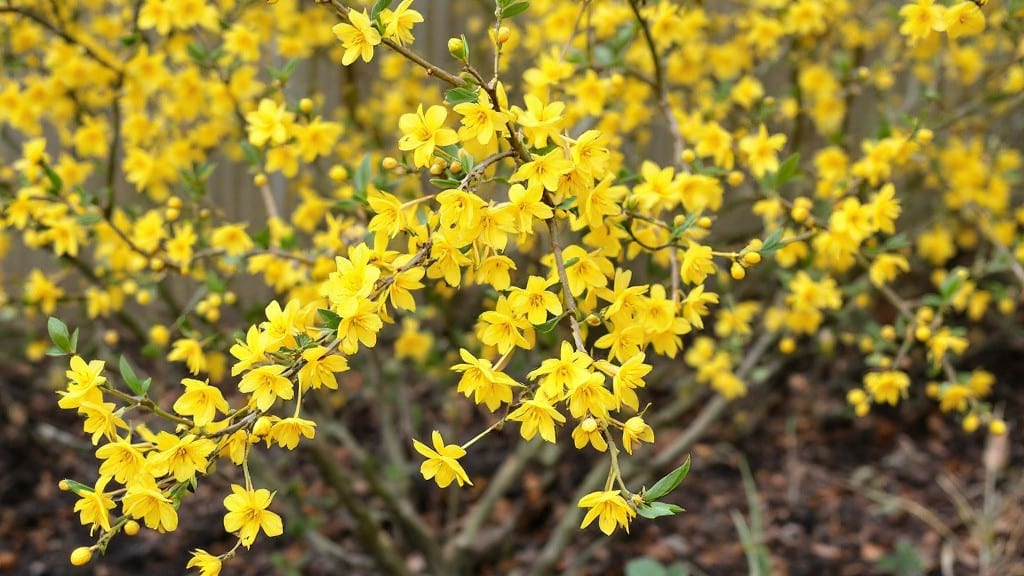
Planting forsythia bushes means welcoming a burst of golden cheer into your yard every spring—those bright yellow blooms are impossible to ignore. 🌸 I learned the hard way that the wrong spot turns forsythia into a sad, leggy shadow of itself, but the right conditions make it the showstopper of the season.
The secret starts with sunlight: these bushes crave at least 6 hours of direct sun daily, preferably morning light to protect the delicate blooms from afternoon heat. You’ll need well-draining soil and a spot with room to grow—forsythia spreads 8-12 feet wide over time, so plan ahead.
Dig a hole twice as wide as the root ball but no deeper, then mix in compost to give those roots a nutrient boost right from the start. Water deeply after planting, then keep the soil moist but not soggy for the first two weeks while roots establish.
Once settled, forsythia is low-maintenance, but pruning right after flowering keeps it bushy and encourages next year’s blooms. Avoid heavy pruning in fall—it removes next spring’s flower buds. Pair it with spring bulbs like daffodils to extend the season’s color show, and watch your yard transform into a neighborhood highlight.
Here’s the thing—forsythia thrives when you treat it like the sun-worshipper it is. Too much shade? You’ll get sparse blooms. Too wet? Roots rot before they can spread. But get it right, and you’ll have years of effortless spring color, with minimal fuss after that first year.
The best time to plant is late fall or early spring, when roots can establish before summer heat or winter freeze stress them out.
Confession: I nearly killed my first forsythia by overwatering and planting it too deep. Now I follow these rules religiously, and my bushes return every year with more blooms than the year before.
The key is patience—forsythia takes 2-3 years to reach full bloom potential, but once it does, it’s a golden reward for your efforts.
📚 In This Guide
- What you need
- Instructions
- Tips and common mistakes
- Wrapping up and next steps
What you need
- ● Forsythia bushes: 1–3 mature plants (depending on desired coverage; spacing 6–10 ft apart). Choose Forsythia x intermedia (hardy, reliable) or Forsythia ovata (smaller, compact).
- ● Shovel or trowel: 1 medium-sized digging tool (for planting holes).
- ● Garden gloves: 1 pair (to protect hands from thorns and soil).
- ● Compost or well-aged manure: 2–3 gallons (to enrich soil).
- ○ Mulch (optional but recommended): 2–3 inches of shredded bark or pine straw (to retain moisture and suppress weeds).
- ● Watering can or hose with nozzle: 1 (for thorough watering).
- ● Pruning shears: 1 pair (for shaping after planting).
- ● Soil test kit (to check pH; forsythia prefers 6.0–7.0).
- ● Slow-release fertilizer (10–10–10 NPK ratio).
- ● Epsom salt (1 tbsp per plant, dissolved in water, for magnesium boost).
- ● Stakes or plant supports (if planting in windy areas).
- ● Decorative rocks or edging (for a polished look).
Step-by-step instructions for planting forsythia bushes
Here's how to plant these vibrant yellow bloomers for years of effortless spring color.
🌱 Step 1: Choose the Perfect Planting Spot
Forsythia thrives in full sun—at least 6 hours of direct sunlight daily. I always scout the site first, checking for afternoon shade that might limit blooming. The bush will tolerate partial shade, but you'll sacrifice some of those showy yellow flowers. Look for an area with well-draining soil—forsythia roots rot quickly in soggy conditions.
Dig a hole twice as wide as the root ball but only as deep as the container it came in. Loosen the sides of the hole with a shovel to prevent compacted soil from restricting root growth. Here's the thing—forsythia grows aggressively, so give it 8-10 feet of space if planting multiple bushes, or it'll spread into a dense thicket.
💧 Step 2: Prepare the Soil and Plant the Bush
Mix the native soil you removed with 2-3 inches of compost to enrich the planting hole. Forsythia isn't fussy about soil pH but performs best in slightly acidic to neutral conditions (pH 6.0-7.0). Gently place the bush in the hole, ensuring the top of the root ball sits 1-2 inches above ground level—this prevents water from pooling around the stem.
Backfill with the soil mixture, tamping lightly with your hands to eliminate air pockets. Water deeply to settle the soil and eliminate gaps. You'll see the soil surface sink slightly—this is normal. The key here is to keep the root ball intact; don't tease out the roots or you'll stress the plant unnecessarily.
☀️ Step 3: Water and Mulch for Healthy Growth
Give the newly planted forsythia 1-2 gallons of water immediately after planting. Water deeply again every 2-3 days until new growth appears, keeping the soil evenly moist but never soggy. You'll know it's time to water when the top 2 inches of soil feel dry to the touch.
Spread 2-3 inches of mulch around the base, keeping it 6 inches away from the stem to prevent rot. I use shredded bark or wood chips because they break down slowly and improve soil structure over time. Mulching also suppresses weeds, which compete with forsythia for nutrients and water.
✂️ Step 4: Prune and Maintain for Optimal Blooms
Prune forsythia immediately after flowering to encourage dense, vigorous growth. Use clean, sharp pruners to remove 1/3 of the oldest stems at ground level. This rejuvenates the bush and promotes new growth for next year's blooms. Avoid heavy pruning in late summer or fall—you'll cut off next year's flower buds.
Forsythia is drought-tolerant once established, but I water deeply once a week during dry spells in the first growing season. Fertilize lightly in early spring with a balanced, slow-release fertilizer (10-10-10) to support new growth. You'll notice the bush sending out fresh green shoots by late spring—that's your sign it's thriving.
⏰ Step 5: Monitor and Adjust for Long-Term Success
Check the bush monthly for signs of stress, like yellowing leaves or wilting branches. Forsythia is generally low-maintenance, but yellow leaves often signal overwatering or poor drainage. If you notice leaves curling or stems dying back, adjust your watering schedule and ensure the soil drains freely.
By the second year, your forsythia should be established and ready to burst into color each spring. The bush may spread beyond its original planting area—this is normal! If it encroaches on other plants, simply prune back the wandering stems in early spring before new growth begins.
Tips & tricks for planting forsythia bushes
Here's what I've learned after planting dozens of forsythia bushes—these tricks make all the difference between a struggling plant and one that thrives for decades.
The Sunlight Secret: That 6 hours of sunlight is non-negotiable for maximum blooms. I've planted forsythia in partial shade and while it survives, the flowers become sparse and less vibrant. If your yard has afternoon shade, consider planting against a south-facing wall where it can catch reflected sunlight. The golden color comes from full sun exposure—don't skimp on this!
Root Ball Rescue: When planting, I always check the root ball before removing it from the container. If you see roots circling tightly, gently tease them apart with your fingers—this prevents girdling as the plant matures. The hole should be twice as wide but only as deep as the container, and that 1-2 inch elevation above ground level is crucial to prevent water pooling that causes rot.
Watering Wisdom: The 2-3 day watering schedule is perfect for establishing roots, but here's the thing: I use the "finger test" method. Stick your finger 2 inches into the soil—if it feels dry, it's time to water. Overwatering is the #1 reason forsythia fails, especially in heavy clay soils. The mulch layer helps maintain even moisture while preventing evaporation.
Pruning Precision: That 1/3 pruning rule after flowering works wonders, but timing matters. I always prune immediately after the last flowers fade—this gives the bush time to develop new growth before winter. I've seen gardeners prune in late summer and end up with no flowers the following spring. Mark your calendar right after the forsythia blooms to remember this crucial step.
Pro Tips for Planting Forsythia Bushes
- Here's what I've learned after planting dozens of forsythia bushes—these tricks make all the difference between a struggling plant and one that thrives for decades.
- The Sunlight Secret: That 6 hours of sunlight is non-negotiable for maximum blooms.
- Root Ball Rescue: When planting, I always check the root ball before removing it from the container.
Frequently asked questions
Got questions about planting and caring for your forsythia bushes? We’ve got answers! Here are some of the most common concerns—from timing to troubleshooting—to help you grow a vibrant, healthy shrub.
When is the best time to plant forsythia bushes?
The ideal time to plant forsythia is in early spring or early fall. This gives the roots time to establish before extreme summer heat or winter cold. If you must plant in summer, water deeply and mulch well to reduce stress.
How much sun do forsythia bushes really need?
Forsythia thrives in full sun (6+ hours daily), but it can tolerate partial shade. Too little light? Expect fewer blooms. For best results, plant in a spot with morning sun and afternoon shade in hot climates to prevent leaf scorch.
Why isn’t my forsythia blooming?
Common reasons include over-pruning after flowering (cut back in late spring/early summer), poor soil drainage, or insufficient sunlight. If blooms are sparse, fertilize lightly in early spring and ensure it gets enough sun.
Can forsythia grow in containers, or does it need to be planted in the ground?
Forsythia can grow in containers, but it’s best suited for the ground due to its size (6–10 feet tall). If container-grown, use a large pot (15+ gallons), well-draining soil, and prune regularly to control growth. Expect smaller blooms.
What pests or diseases should I watch for?
Forsythia is generally low-maintenance, but watch for aphids, spider mites, or powdery mildew in humid conditions. Treat pests with insecticidal soap and improve airflow. For mildew, prune for better circulation and avoid overhead watering.
Pro Tip:
Mulch around your forsythia with 2–3 inches of organic mulch (like wood chips) to retain moisture, suppress weeds, and protect roots. Just keep mulch away from the trunk to prevent rot.
Wrapping up and next steps
Planting forsythia bushes is a rewarding way to welcome vibrant spring colors into your garden with minimal effort! 🌸 These cheerful shrubs thrive in sunny spots, offer low-maintenance beauty, and even attract pollinators—making them a must-have for any landscape.
Whether you’re a seasoned gardener or just starting out, their bright blooms will brighten your outdoor space year after year.
Now that you’re ready to plant, take the next step: mark your calendar for early spring or fall, gather your supplies, and dig in! With the right care, your forsythia will reward you with a burst of golden-yellow cheer—so don’t wait, get planting! 🌱