Shrubs
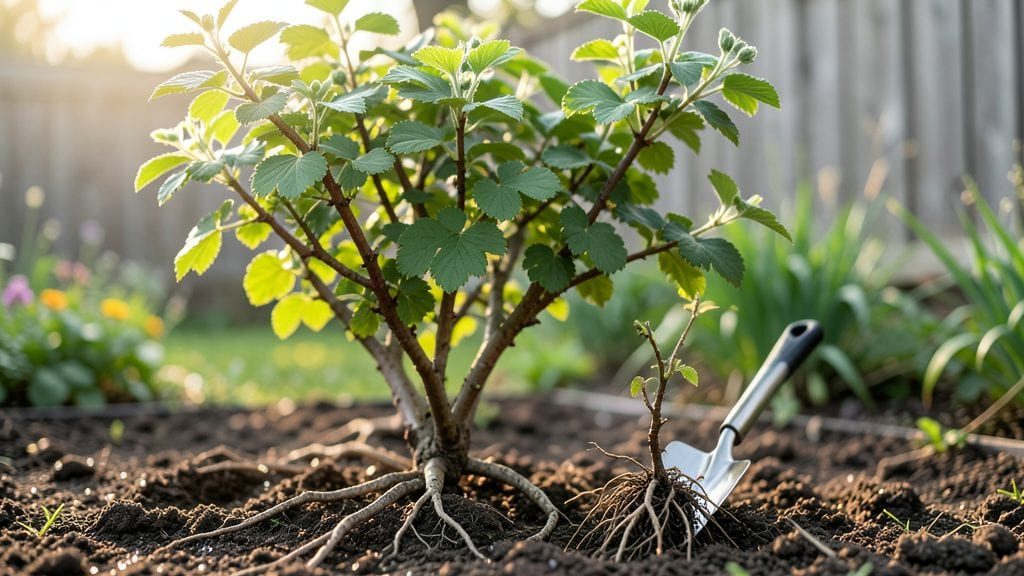
Planting currant bushes transforms even the shadiest corner into a productive, low-maintenance corner of your yard. 🌿 I’ve planted red, black, and white varieties over the past five years, and the ones that thrive the most get one thing right: the perfect spot with the right soil prep.
These bushes reward patience with years of berries and lush foliage, but they demand zero fuss once established.
The key to happy currants starts with 6 hours of sunlight and soil that drains well—think loose, slightly acidic mix with compost worked in. Space them 4 to 6 feet apart so branches don’t crowd, and avoid planting where tomatoes or potatoes grew last year (they share diseases).
Dig a hole twice as wide as the root ball but no deeper, then water deeply before setting the bush in.
After planting, mulch with 2 to 3 inches of wood chips to keep roots cool and moisture steady. In their first year, they’ll focus on roots, not berries, but by year two, you’ll see clusters of tart-sweet fruit.
The berries attract birds, but netting keeps most away—unless you’re okay with sharing. I’ve found white currants stay on the bush longest, while reds ripen first.
Currants handle cold like champs, but avoid soggy winters—they rot if water pools. Prune in late winter to shape and remove dead wood, and watch for whitefly or rust.
With the right start, these bushes outlast garden trends, producing for 15+ years with almost no care. Here’s how to get them growing strong from day one.
📚 In This Guide
- What you need
- Instructions
- Tips and common mistakes
- Wrapping up and next steps
What you need
- ● Currant bushes: 3–5 healthy, disease-free plants (red, black, or white varieties). Choose 1-year-old bareroot or container-grown plants.
- ● Shovel or spade: For digging holes (12–18 inches wide/deep). A garden fork helps loosen compacted soil.
- ● Compost or aged manure: 5–10 lbs per plant to enrich soil. Mix with native soil for a 60/40 ratio.
- ● Organic mulch: 2–3 inches of straw, wood chips, or pine needles to retain moisture and suppress weeds.
- ● Garden hose or watering can: With a spray nozzle for gentle watering (avoid wetting leaves to prevent disease).
- ● Pruners or loppers: Bypass pruners (sharp, clean) for trimming dead wood or shaping bushes.
- ● Garden gloves: To protect hands from thorns (currants can be prickly!).
- ○ Soil pH test kit (optional but helpful): Currants thrive in soil pH 5.5–6.5. Adjust with sulfur or lime if needed.
- ● Fertilizer: Slow-release balanced fertilizer (10-10-10) or compost tea for a nutrient boost.
- ● Drip irrigation system: For consistent moisture, especially in hot climates.
- ● Copper fungicide: Prevents fungal diseases like powdery mildew (apply early spring).
- ● Row covers or netting: Protects berries from birds and pests.
- ● Trellis or stakes: Supports sprawling varieties like red currants (install at planting).
Step-by-Step instructions for planting currant bushes
Here's how to plant currant bushes for years of low-maintenance fruit production.
🌱 Step 1: Choose the Right Location and Prepare the Soil
Currants thrive in full sun to partial shade—at least 6 hours of sunlight daily—but tolerate light shade in hot climates. I always pick a spot with good air circulation to prevent fungal diseases like powdery mildew. The soil should drain well but retain moisture; currants hate soggy roots.
Test your soil's drainage by digging a 12-inch hole and filling it with water. If it drains completely within 4-6 hours, your soil is ready. Amend heavy clay with 2-3 inches of compost from your materials list, mixing it into the top 12 inches of soil. Currants prefer slightly acidic to neutral soil (pH 6.0-7.0)—test your soil if unsure.
🪴 Step 2: Dig Holes and Plant Bare-Root Bushes
Dig holes twice as wide as the root ball but no deeper—currants dislike buried stems, which rot easily. Space bushes 4-6 feet apart in rows 6-8 feet apart for airflow. If planting multiple bushes, I arrange them in a slight trench to improve drainage.
Soak bare-root bushes in lukewarm water for 1-2 hours before planting to revive roots. Place each bush in its hole so the top of the root ball sits 1 inch above soil level. This prevents crown rot later. Spread roots gently outward—don’t bend them—and fill the hole with soil, tamping lightly to remove air pockets.
💧 Step 3: Water Deeply and Mulch for Retention
Water each bush deeply right after planting—about 1 gallon per plant—to settle the soil and eliminate air gaps. Keep the soil moist but not soggy for the first 2-3 weeks, watering every 2-3 days if rainfall is light. Overwatering now can drown tender roots.
Spread 2-3 inches of mulch (like wood chips) around each bush, keeping it 3 inches away from the stem. This locks in moisture, suppresses weeds, and regulates soil temperature. I always use organic mulch—it breaks down slowly and adds nutrients over time.
☀️ Step 4: Prune and Protect New Growth
Prune any broken or damaged branches immediately after planting, but avoid heavy pruning—currants establish roots slowly. If your bushes have long, leggy stems, cut them back by one-third to encourage bushier growth. Remove any suckers growing from the base, as they drain energy from fruit production.
Install bird netting if planting in an area with hungry birds—currants ripen quickly and disappear just as fast. Stake tall bushes if needed, especially in windy areas. After 4-6 weeks, you’ll see new leaves emerge—this means roots are settling in and growth is underway.
⏰ Step 5: Monitor and Maintain Through First Season
Fertilize lightly in early spring with a balanced 10-10-10 fertilizer (follow label rates) to support new growth. Currants don’t need much—too much nitrogen leads to leafy bushes with few berries. Watch for yellowing leaves, which often signal overwatering or nutrient deficiency.
By late summer, you’ll spot small berries forming. Thin clusters to 3-4 berries per stem if crowded—this ensures larger, sweeter fruit. Harvest when berries are deep purple/black and plump, usually in mid-to-late summer. With proper care, your currant bushes will produce for 10+ years.
Tips & tricks for planting currant bushes
Between us, these small details make all the difference when planting currant bushes that thrive for years.
Location is Everything: In Step 1, when choosing your spot, prioritize areas with morning sun and afternoon shade in hot climates. I learned this the hard way—currants planted in full afternoon sun often develop sunburned leaves. Also, avoid low-lying areas where cold air settles, as currants are sensitive to frost damage. That 6 hours of sunlight should be spread throughout the day, not concentrated in just a few hours.
Soil Test Savior: Before amending your soil in Step 1, grab a soil test kit from your local garden center. Currants prefer pH 6.0-7.0, but many soils run acidic or alkaline. If your test shows pH below 6.0, add lime to raise it; above 7.0, use sulfur to lower it. That 4-6 hour drainage test is crucial—if water pools at the bottom, you'll need to create raised beds or amend with organic matter to improve drainage.
Root Revival Technique: That 1-2 hour soak for bare-root bushes in Step 2 is non-negotiable. I've seen gardeners skip this and end up with bushes that struggle for years. Use lukewarm water—not cold, not hot—and add a root stimulator if you have one. When planting, gently tease the roots outward rather than forcing them down. Think of it like opening a sleeping cat's paws—gentle persistence works best.
Mulch Magic: The 2-3 inches of mulch in Step 3 isn't just decoration—it's your moisture and weed barrier. I always use wood chips because they break down slowly and improve soil structure over time. Keep that mulch 3 inches away from the stem to prevent rot. And here's a pro tip: refresh your mulch annually in early spring to maintain that 2-3 inch layer—it's one of the easiest ways to ensure consistent moisture levels.
Pro Tips for Planting Currant Bushes
- Between us, these small details make all the difference when planting currant bushes that thrive for years.
- Location is Everything: In Step 1, when choosing your spot, prioritize areas with morning sun and afternoon shade in hot climates.
- Soil Test Savior: Before amending your soil in Step 1, grab a soil test kit from your local garden center.
Frequently asked questions
Got questions about planting currant bushes? You’re not alone! Here are some of the most common concerns—plus straightforward answers to help you grow like a pro.
When is the best time to plant currant bushes?
Plant currant bushes in early spring or fall for optimal success. Spring (after the last frost) gives roots time to establish before summer heat, while fall (6-8 weeks before frost) allows them to settle before winter. Avoid planting in extreme heat or cold—roots need gentle conditions to thrive!
How long does it take for currant bushes to bear fruit?
Patience is key! Most currant bushes take 2–3 years to produce fruit after planting. Some varieties may fruit earlier, but consistent care (watering, pruning, and soil health) speeds up the process. Don’t rush—focus on strong root growth first!
Are currant bushes prone to pests or diseases?
Yes, but don’t stress—prevention is easy! Birds and aphids love currants, so use netting or organic sprays. Powdery mildew can strike in humid climates; improve airflow and avoid overhead watering. Choose resistant varieties (like ‘Consort’ or ‘Red Lake’) and prune regularly to keep bushes healthy.
Can I grow currant bushes in containers?
Currants thrive in large containers (at least 18–24 inches deep) with well-draining soil. Use a mix of potting soil and compost, and place the pot in full sun to partial shade. Just remember: container-grown bushes need more frequent watering and may produce slightly smaller yields than in-ground plants.
Do currant bushes need cross-pollination?
It depends on the variety! Red and black currants are self-fertile, so you can plant just one bush. White currants do need a second bush for pollination. If you’re unsure, check the tag—most nurseries label varieties clearly. Pro tip: Planting two bushes nearby boosts fruit production for all!
Wrapping up and next steps
Planting currant bushes is a rewarding way to add beauty, flavor, and low-maintenance charm to your garden! 🌿 With the right soil, spacing, and care, these hardy perennials will thrive for years—producing delicious berries and vibrant foliage with minimal effort.
Whether you're a seasoned gardener or just starting out, now’s the perfect time to roll up your sleeves and give these resilient shrubs a home.
Ready to take the next step? Mark your calendar for early spring or fall, grab your tools, and start digging—your future currant harvest (and happy plants!) will thank you. Happy planting! 🌱