
Planting
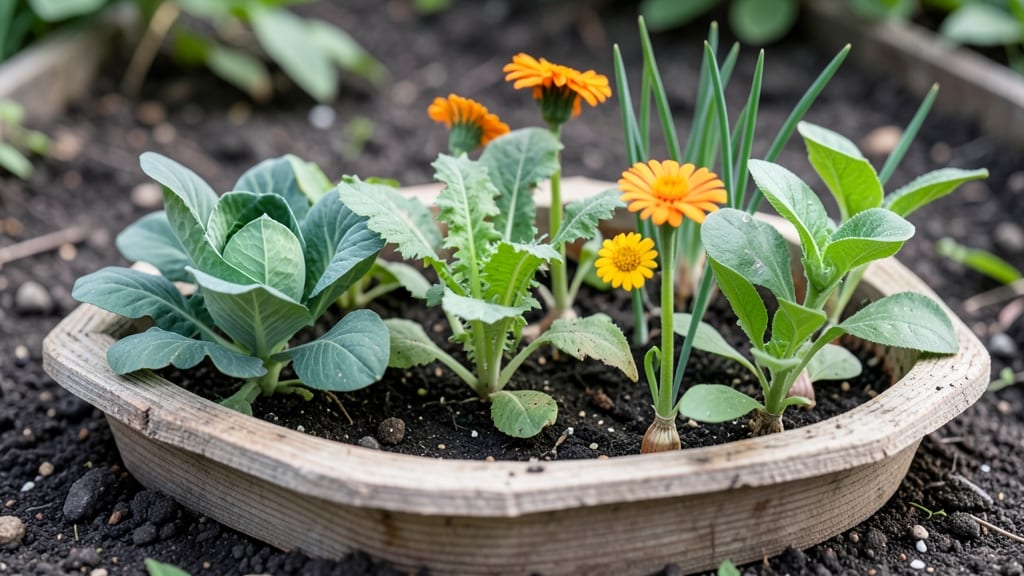
A Colorado planting calendar is your secret weapon for timing plantings perfectly—whether you're sowing cool-season veggies or warm-season favorites.
Colorado’s unpredictable frost patterns can turn your gardening dreams into a guessing game—unless you follow a precise planting calendar tailored to your elevation and microclimate.
With USDA zones 5-7 and frost dates that shift dramatically from the Front Range to the mountains, knowing when to plant makes the difference between a thriving garden and a sad, half-buried seed packet.
Below, I break down the exact weeks to plant by season, elevation adjustments, and pro tips to stretch your growing window—so you can finally stop second-guessing and start harvesting.
Colorado planting zones: when to plant by elevation and microclimate
Colorado’s diverse geography—from high mountain valleys to arid plains—creates 10+ USDA planting zones (3-10) with wildly different frost patterns. A Denver garden (Zone 5b) has a 180-day growing season, while Aspen (Zone 4a) struggles with just 90 frost-free days.
Understanding your elevation zone and microclimate is the key to avoiding frozen seedlings or wasted summer heat.
Mountain regions like Grand Junction (Zone 7a) enjoy earlier springs and longer falls than Front Range cities, while Colorado Springs (Zone 6a) faces rapid temperature swings due to its 1,800-foot elevation.
Even neighborhoods just 5 miles apart can have 2-week differences in frost dates—so check your local weather station for precise timing.
Last frost dates in Colorado range from mid-April (Zone 7) to late June (Zone 4), while first frosts arrive as early as September 15 (Zone 7) or linger until November (Zone 4). Warm-season crops like tomatoes and peppers need 120+ frost-free days, making them risky in higher elevations unless you use season extenders.
Here’s how to decode your zone and plan accordingly:
📌 Key Takeaway: Lower elevations (Zone 7-9) can plant tomatoes in May, while Zone 4-5 gardeners must wait until June 1—or grow heat-loving varieties in containers for earlier harvests.
🌱 Pro Tip: Use Colorado State University’s frost maps or the Almanac’s Planting Calculator to input your exact ZIP code for hyper-local advice. Even a 1,000-foot elevation gain can shift your planting window by 2 weeks.
⚠️ Warning: Avoid planting cool-season crops (kale, spinach) too early—soil temperatures below 40°F stunt growth. Wait until soil warms to 50°F (use a soil thermometer) or start indoor seedlings 6-8 weeks before your last frost.
🌿 Microclimate Matters: Urban areas like Denver experience the “urban heat island” effect, delaying frosts by 1-2 weeks compared to rural zones. Conversely, wind-exposed slopes (e.g., Boulder’s flatirons) get colder faster—protect tender plants with windbreaks or row covers.
🌡️ Temperature Rules of Thumb:
- Zone 3-4 (Aspen, Steamboat): Last frost June 1; first frost September 15.
- Zone 5-6 (Denver, Colorado Springs): Last frost May 15; first frost October 1.
- Zone 7-9 (Grand Junction, Alamosa): Last frost April 15; first frost October 15.
📅 Summary Table: Colorado Planting Zones by City & Elevation
Best vegetables and flowers to plant in Colorado by season (with exact weeks)
Colorado’s short growing season demands precision—planting at the wrong time can mean wasted seeds or bolted greens. I’ve broken down the exact weeks to sow, transplant, and harvest your favorite vegetables and flowers, accounting for elevation zones 5-7 and last frost dates.
Whether you’re a Denver gardener or growing near Grand Junction, these timelines will keep your garden thriving.
For cool-season crops, start indoors 6-8 weeks before your last frost date (typically March 15-April 15 in lower elevations). Warm-season plants like tomatoes and peppers need to wait until soil temperatures hit 60°F+, usually mid-May to early June.
Perennials like lavender and coneflowers can go in the ground as early as April, but avoid late spring frosts by hardening off seedlings first.
🌱 Colorado Planting Calendar by Season
- March 1-15: Start cool-season veggies (kale, spinach, peas) indoors. Plant perennials (lavender, coneflowers) outdoors after soil thaws.
- March 16-April 15: Direct-sow hardy greens (lettuce, arugula) outdoors. Transplant broccoli and cauliflower seedlings.
- April 16-May 15: Plant potatoes and onions in cooler zones. Start tomato and pepper seedlings indoors.
- May 16-June 15: Transplant warm-season crops (tomatoes, peppers, squash) after last frost. Sow beans and corn directly.
- June 16-July 31: Succession plant bush beans and zucchini. Deadhead flowers (marigolds, sunflowers) for continuous blooms.
- August 1-September 15: Sow fall greens (spinach, radishes) for harvest before first frost. Plant garlic for next year.
- September 16-October 15: Extend season with row covers for kale and carrots. Mulch perennials to protect roots.
Pro tip: Use row covers to push your spring planting 2-3 weeks earlier, especially for delicate seedlings like cucumbers or melons. I’ve had success with floating row covers in Fort Collins to shield young plants from late frosts in May.
For high-elevation gardens (elevation 6,000+ ft), wait until mid-June for warm-season crops like eggplant and okra.
Don’t overlook fall planting—it’s your secret weapon for a second harvest. Spinach, radishes, and turnips thrive when sown in August for a September-October harvest. Even broccoli and cabbage can be planted in late July for a frost-sweetened crop.
Just be sure to mulch heavily to insulate roots from early October frosts.
For flowers, coneflowers and black-eyed Susans are my go-tos—they bloom from June to October with minimal fuss. Plant bulbs like tulips and daffodils in October for spring color, but avoid fall-planted dahlias in Colorado’s harsh winters unless you mulch 12+ inches deep.
Remember: Soil temperature matters more than air temperature. Use a soil thermometer to confirm 60°F+ for tomatoes and peppers before transplanting. In dry climates like Colorado Springs, water deeply 2-3 times per week once plants are established to prevent blossom-end rot in tomatoes.