
Trees
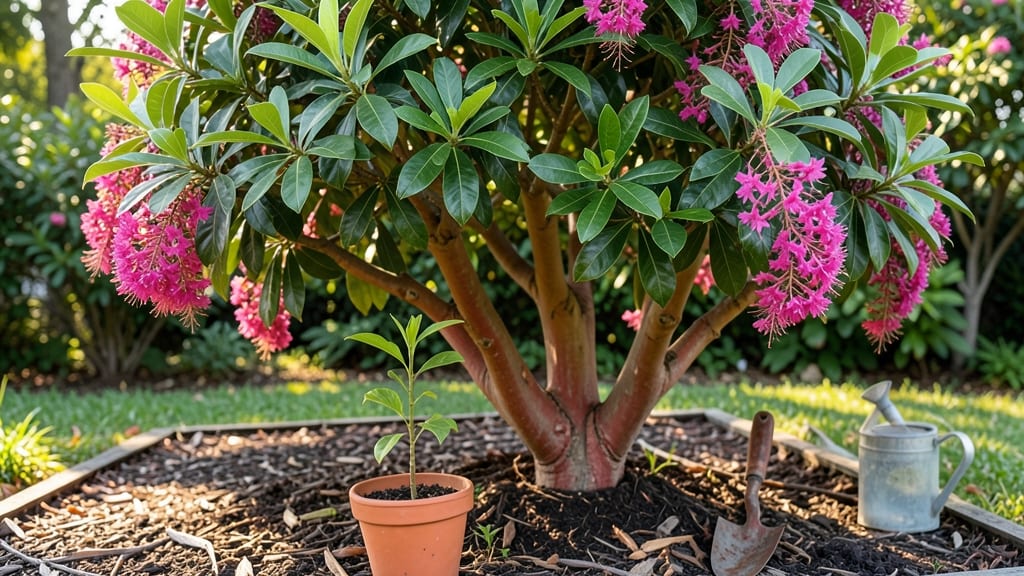
Planting box trees in containers gives you a fast-growing privacy screen without the decades-long wait of traditional planting. I’ve used this method to turn a bare backyard into a lush, green wall in just three years—no magic, just the right tree, soil, and a little patience.
The key is choosing dwarf varieties like ‘Green Velvet’ or ‘Emerald Green’ boxwoods, which thrive in tight spaces while still packing a punch for height and density.
You’ll need a sturdy container (at least 18 inches deep for mature roots) with drainage holes, well-draining soil mix, and a spot with 6+ hours of sunlight daily. Most people overlook root space—cramming trees into small boxes leads to stunted growth.
I learned that the hard way when my first attempt grew only half as tall as expected. A 5-gallon container works for young trees, but upgrade to 15+ gallons as they mature.
Within a year, you’ll see thick, glossy foliage filling the box, and by year three, a nearly impenetrable screen. The trick is consistent watering—deep soaks once a week (more in summer heat)—and occasional pruning to encourage bushier growth.
These trees stay green year-round, making them a low-maintenance solution for noise reduction and curb appeal.
Works for urban patios, balcony gardens, or even large planters along driveways. Just avoid heavy clay soil mixes, and your box trees will reward you with fast, frustration-free privacy. Ready to get started?
📚 In This Guide
- What you need
- Instructions
- Tips and common mistakes
- Wrapping up and next steps
What you need
- ● Box trees (Buxus spp.) – 3–5 per linear foot (e.g., 30 plants for a 10-foot screen). Choose 1–3 ft tall nursery-grown saplings for faster establishment.
- ● Planting holes – 2–3x wider than root ball, dug 6–12 inches deeper than the container.
- ● High-quality potting soil or amended native soil – Mix with compost (20–30%) for drainage and nutrients.
- ● Organic mulch (pine bark, wood chips, or shredded leaves) – 2–3 inches deep, kept 3–4 inches away from tree trunks.
- ● Watering can or hose with a gentle spray nozzle – 5+ gallons per tree for initial watering.
- ● Garden gloves and knee pads – For comfortable handling.
- ● Measuring tape and stake – To mark spacing (2–4 ft apart, depending on desired density).
- ● Slow-release fertilizer (10-10-10 or balanced organic) – 1 tbsp per tree at planting, mixed into soil.
- ● Tree stakes and soft ties – If planting in windy areas (use only if necessary to avoid girdling).
- ● Soil moisture meter – To monitor watering needs during dry spells.
- ● Pruning shears – For shaping young trees (sterilize blades with rubbing alcohol first!).
- ● Erosion control fabric – For sloped areas to prevent soil runoff.
Instructions for planting box trees as a fast-growing privacy screen
Here's how to plant four boxwoods in a tight row for a dense, fast-growing hedge.
Prepare the Planting Site for Optimal Growth
Choose a location with 6+ hours of morning sun and afternoon shade to prevent leaf scorch. Box trees thrive in well-draining soil with a pH between 6.0-7.0. If your soil is heavy clay, amend it with 2 gallons of compost per planting hole to improve aeration and moisture retention.
Dig four holes spaced 4-5 feet apart—this spacing allows the trees to fill in quickly while leaving room for maintenance pruning. Each hole should be twice as wide and just as deep as the root ball of your nursery-grown boxwoods. Gently loosen the sides of the holes with a shovel to encourage root spread.
Position and Plant Each Box Tree for Structural Stability
Remove each boxwood from its container and gently tease the roots outward if they're circling. Place the tree in its hole so the top of the root ball sits 1 inch below the surrounding soil level—this prevents settling issues later. Use a level to ensure the tree stands perfectly upright; boxwoods grow best when straight from the start.
Fill the hole with backfill soil, pressing lightly around the base to eliminate air pockets. Water deeply immediately after planting to help the soil settle and eliminate gaps. The soil should be moist but not soggy—you'll know it's right when excess water drains freely from the hole.
Mulch and Water for Rapid Establishment
Spread 3 inches of mulch (wood chips or pine straw) over the root zones, keeping it 6 inches away from tree trunks to prevent rot. Mulch retains moisture and regulates soil temperature, which is critical for boxwoods' fast growth. Water each newly planted tree with 1 gallon of water to ensure the root ball stays hydrated during the first critical week.
For the first 30 days, water deeply twice weekly—boxwoods establish best when soil stays consistently moist. After that, reduce to once weekly unless your area experiences extended dry spells. You'll see new growth within 4-6 weeks, signaling successful root establishment.
Prune and Shape for a Uniform Privacy Screen
Once the trees reach 2-3 feet tall, begin light pruning to encourage bushiness. Use sharp pruners to trim back any leggy growth by one-third—this stimulates branching. For a clean, uniform look, shape the tops into a slight arch with a rounded, flat top rather than a sharp peak.
Prune in early spring before new growth begins, and avoid heavy cuts after mid-summer—this prevents tender new growth from forming before winter. With proper pruning, your boxwood hedge will fill in completely within 3 years, delivering that fast privacy screen you're after.
Tips & tricks for planting box trees as a fast-growing privacy screen
These practical insights will help you establish your boxwood hedge with confidence, ensuring that fast growth and dense coverage become reality within three years.
Soil Preparation: The key to rapid root establishment lies in thorough soil preparation. Before planting, conduct a simple pH test to confirm your soil falls within the ideal 6.0-7.0 range. If your soil tests higher, incorporate 2 gallons of compost per hole along with a handful of sulfur to lower the pH gradually. For clay-heavy soils, mix in additional compost and consider adding perlite to improve drainage—this prevents root suffocation that can slow growth.
Root Management: When removing boxwoods from their containers, gently separate any circling roots with your fingers rather than cutting them. This encourages outward root growth, which is essential for establishing a strong foundation. Place each tree so the root ball sits 1 inch below soil level—this subtle depth adjustment prevents settling issues that could create air pockets around critical roots.
Watering Strategy: The first 30 days are critical for root development, so maintain consistent moisture by watering deeply twice weekly. Use a moisture meter to verify soil reaches 3-4 inches deep—boxwood roots need this depth of hydration to establish quickly. After the initial period, reduce to weekly watering unless your climate experiences extended dry spells, which can stress young plants.
Pruning Timing: Begin pruning only after your boxwoods reach 2-3 feet tall, as early pruning can stunt growth. When shaping, make cuts just above a leaf node to encourage branching. For a uniform look, shape the tops into a gentle arch rather than a sharp peak—this natural shape requires less maintenance while promoting dense growth. Always prune in early spring before new growth begins to avoid stressing the plant.
Pro Tips for Planting Box Trees
- These practical insights will help you establish your boxwood hedge with confidence, ensuring that fast growth and dense coverage become reality within three years.
- Soil Preparation: The key to rapid root establishment lies in thorough soil preparation.
- Root Management: When removing boxwoods from their containers, gently separate any circling roots with your fingers rather than cutting them.
Frequently asked questions
Got questions about planting box trees for your privacy screen? Here’s what you need to know—from timing to troubleshooting!
When is the best time to plant box trees for a fast-growing privacy screen?
Plant box trees in early spring or fall for optimal root establishment. Avoid extreme heat or frost, which can stress young trees. Spring planting gives them the growing season to strengthen before winter, while fall allows roots to settle before dormancy. Pro tip: Water deeply after planting to reduce transplant shock!
How far apart should I space box trees in a planting box?
Space box trees 6 to 10 feet apart for a dense privacy screen. If you want faster coverage, plant them 4 to 6 feet apart but expect more pruning to encourage bushiness. Remember, they’ll grow 3 to 5 feet per year—so plan accordingly! Pro tip: Use a measuring tape to mark spots before digging.
Can I plant box trees in containers or raised beds instead of the ground?
Yes! Box trees thrive in large containers (at least 18 inches deep) or raised beds, but they’ll grow slower than in-ground plantings. Use well-draining soil and fertilize regularly. Containers also let you move trees if needed—perfect for renters or small spaces! Watch out: Larger pots may require winter protection in cold climates.
Why are my box tree leaves turning yellow or brown?
Yellowing leaves often signal overwatering or poor drainage, while brown edges can mean underwatering or sunburn. Check soil moisture (it should be slightly dry between waterings) and ensure pots/containers have drainage holes. Quick fix: Trim affected leaves and adjust watering habits.
Do box trees need pruning, and how often?
Prune box trees once or twice a year—spring to shape and late summer to encourage new growth. Trim back 1/3 of the new growth to maintain density. Use clean, sharp shears and avoid over-pruning, which can stress the tree. Bonus: Pruning also helps control height and width for your privacy screen!
Still unsure? Drop your question in the comments—we’re happy to help!
Wrapping up and next steps
Ready to transform your space with a lush, fast-growing privacy screen?
Planting box trees is your ticket to a serene outdoor retreat in just three years—with minimal effort and maximum impact! 🌿 Whether you're shielding your backyard from nosy neighbors or adding curb appeal, these trees deliver big results fast.
Start by gathering your supplies, picking the perfect spot, and diving in with confidence.
Now’s the time to roll up your sleeves! Plant your first box tree this weekend—your future self (and your peace of mind) will thank you. Need a little extra guidance? Check out our FAQs or revisit the materials checklist to ensure you’re set for success.