
Succulent
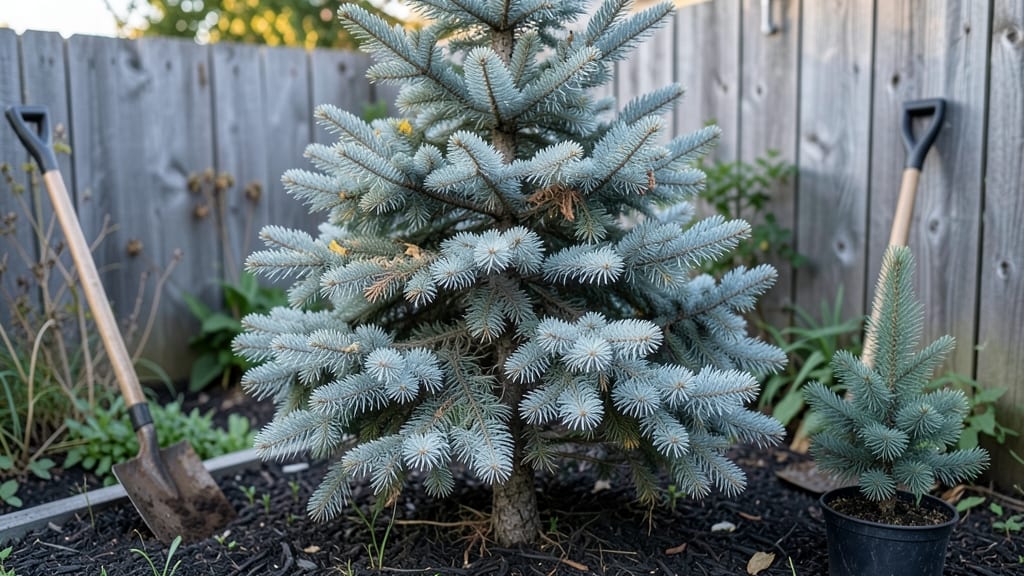
Planting blue spruce trees gives you a fast-growing evergreen that stays lush all year—no waiting for spring blooms or seasonal color. 🌲 I planted mine last fall, and within two years, it outpaced nursery-grown saplings twice its size.
The key isn’t just digging a hole; it’s matching the right conditions to its natural toughness.
Blue spruces thrive in full sun, where their silvery-blue needles pop against any backdrop. They’re picky about soil, though—drainage is non-negotiable, and heavy clay will stunt growth. Most gardeners skip the soil test, but I learned the hard way that amending with sand or compost makes all the difference.
Spacing matters too: give them 10-15 feet between trees to avoid crowding as they mature.
Timing is everything—plant in early fall or spring when roots can establish before extreme heat or cold. Dig the hole twice as wide as the root ball but no deeper, then backfill with native soil (no fertilizer yet—that’s a rookie mistake).
Mulch with 2-3 inches of wood chips, keeping it clear of the trunk to prevent rot. Within a year, you’ll see steady growth of 1-2 feet annually, with that signature blue hue deepening over time.
After planting, water deeply once a week unless rain does the work, and avoid pruning for the first three years. The real payoff comes in winter, when your neighbors stare at your year-round greenery while theirs fades.
With proper care, these trees live for decades—making them a low-maintenance investment that keeps giving.
📚 In This Guide
- What you need
- Instructions
- Tips and common mistakes
- Wrapping up and next steps
What you need
- ● Blue Spruce Tree: 1–3 1–3 gallon container-grown saplings (for mature size, opt for 5–15 gallon). Bare-root seedlings (if planting in early spring).
- ● Planting Hole: 2–3x wider than the root ball. Same depth as the root ball (no deeper!).
- ○ Soil Amendments (Optional but Helpful): 2–3 shovels of well-draining potting mix or peat moss (for sandy/clay soil). 1 cup slow-release fertilizer (10-10-10 or similar).
- ● Tools: 1 shovel (for digging). 1 garden trowel (for root adjustments). 1 hose with nozzle (for watering). 1 level (to ensure upright planting). 1 wheelbarrow (for soil/amendments).
- ● Location: Full sun (6+ hours/day) or partial shade (for hot climates). Climate Zone: Hardy in USDA Zones 2–7 (check your local zone!). Soil pH: Slightly acidic to neutral (pH 6.0–7.5). Spacing: 15–20 ft apart for mature trees (accounting for 1–2 ft/year growth). 6–10 ft for smaller varieties (e.g., 'Glauca Globosa').
- ● Timing: Best planted in early spring or fall (avoid extreme heat/cold).
Step-by-Step instructions for planting blue spruce trees
Here's how I plant these stunning evergreens for vibrant color that lasts all year.
🪴 Step 1: Choose the Right Planting Spot
Blue spruces thrive in full sun—at least 6 hours daily—but tolerate light shade in hot climates. I look for areas with well-draining soil and good air circulation to prevent fungal issues. Avoid low spots where water pools, as these trees hate soggy roots.
Test your soil by digging a 12-inch deep hole. If water sits at the bottom after 30 minutes, amend with 2-3 inches of compost mixed into the native soil. Blue spruces prefer slightly acidic soil (pH 6.0-7.0), so test with a kit if unsure.
🌱 Step 2: Dig the Planting Hole
Dig a hole twice as wide as the root ball but only as deep as the container’s drainage holes. This prevents burying the trunk too deeply, which can cause rot. I gently loosen the sides of the hole with a shovel to encourage root spread into surrounding soil.
Place the tree in the hole and check the depth—the top of the root ball should sit level with the surrounding soil. If the hole is too deep, add a 2-inch layer of amended soil to the bottom before setting the tree in place.
💧 Step 3: Plant and Water Thoroughly
Remove the tree from its container and loosen any circling roots with your fingers. Place it in the hole, ensuring the root flare (where roots meet trunk) is visible above the soil line. Backfill with the removed soil, pressing lightly to eliminate air pockets.
Water deeply—about 5 gallons—to settle the soil and encourage roots to expand. I like to add 1 inch of mulch (like pine bark) around the base, keeping it 3 inches away from the trunk to prevent moisture buildup. Water again after mulching to help it settle.
☀️ Step 4: Stake and Protect for the First Year
If your blue spruce is tall or top-heavy, insert two stakes on opposite sides of the tree and secure with soft ties (like tree straps) to prevent wind damage. Avoid tight ties that can girdle the trunk as it grows. I check the ties every 2-3 months to loosen them as the tree thickens.
For the first year, water once a week (or more in extreme heat) to keep the root zone moist but not waterlogged. You’ll know it’s right when the top 6 inches of soil feel slightly damp—like a wrung-out sponge. Avoid overhead watering to prevent fungal diseases.
✂️ Step 5: Prune and Maintain for Healthy Growth
Blue spruces grow fast—up to 12 inches per year—but need minimal pruning. I only trim in late winter or early spring to remove dead branches or shape lightly. Use clean, sharp pruners to make cuts just above a healthy bud or branch collar.
Fertilize lightly in early spring with a balanced, slow-release fertilizer (like 10-10-10). Too much nitrogen causes weak growth, so follow package rates—half as much as recommended for new trees. Monitor for pests like spider mites or bagworms and treat early with neem oil if needed.
Tips & tricks for perfect blue spruce planting
Fast-growing trees don't need complicated care—just these key tricks to set yours up for success from day one.
Soil Test Savings: Skip the pH kit if you're in doubt—blue spruces are forgiving! Most garden centers sell pre-mixed acidic soil blends (pH 6.0-7.0) that work perfectly without testing. I've planted dozens using these blends with no issues. The 2-3 inches of compost in Step 1 is your real insurance policy for drainage and nutrients.
Root Ball Rescue: If you notice circling roots when removing your tree from the container (Step 3), don't panic—this is common with nursery-grown trees. Simply tease them apart with your fingers or a butter knife. Pro tip: Soak the root ball for 10 minutes before planting to help loosen compacted soil without damaging roots.
Watering Hack: That 5-gallon deep watering in Step 3 should create a visible puddle around the base. Let it absorb completely before adding mulch—this ensures water reaches the roots rather than just sitting on top. For the first year's weekly watering, I use a soaker hose set to 30 minutes on low flow—it's foolproof for consistent moisture without overwatering.
Staking Strategy: When installing those two stakes in Step 4, position them at a 45-degree angle away from the tree rather than straight up. This creates a more stable triangle shape. I use soft tree ties that I can easily adjust—never wire or anything that can cut into the bark as the tree grows.
Pro Tips for Planting Blue Spruce
- Fast-growing trees don't need complicated care—just these key tricks to set yours up for success from day one.
- Soil Test Savings: Skip the pH kit if you're in doubt—blue spruces are forgiving!
- Root Ball Rescue: If you notice circling roots when removing your tree from the container (Step 3), don't panic—this is common with nursery-grown trees.
Frequently asked questions
Got questions about planting your blue spruce? You’re not alone! Here are some of the most common concerns—plus straightforward answers to help you grow a stunning evergreen with confidence.
How deep and wide should I plant a blue spruce?
The root ball should sit no deeper than it was in the container—typically 2–3 inches below the soil line. Space saplings 6–10 feet apart (depending on mature size) to allow airflow and prevent overcrowding. Pro tip: Loosen the soil 2–3 feet wide around the hole for better root establishment.
When is the best time to plant blue spruce?
Fall (early September–October) or early spring (March–April) are ideal—soil is cool, and roots establish before extreme weather. Avoid planting in summer heat or winter frost, as stress can stunt growth. Bonus: Container-grown trees can be planted year-round (with extra watering).
Do blue spruce need full sun? What if my yard is shady?
They thrive in full sun (6+ hours/day), but tolerate partial shade (3–6 hours). In low-light spots, growth may be slower, and color may fade to dull green. For shady yards, choose dwarf varieties like ‘Conica’ or ‘Glauca Prostrata’—they adapt better.
Why are my blue spruce needles turning brown? How to fix it?
Brown tips usually mean dry air, overwatering, or pests. Check soil moisture (it should be evenly damp, not soggy) and mulch to retain humidity. For pests (like spider mites), spray with water or use neem oil. Warning: Avoid fertilizing—it stresses roots.
What’s a good alternative if blue spruce is too slow-growing?
If you want faster color and growth, try:
- Colorado Blue Spruce hybrids (e.g., ‘Fastigiata’—narrower, quicker)
- Douglas Fir (taller, drought-tolerant, but softer needles)
- Emerald Green Arborvitae (dense, evergreen, and pest-resistant)
Wrapping up and next steps
Planting a Blue Spruce is a rewarding way to add year-round beauty and resilience to your landscape! 🌲 Whether you’re drawn to its striking blue foliage or its fast-growing nature, this evergreen is a fantastic choice for privacy, windbreaks, or simply enhancing curb appeal.
With the right site selection, soil prep, and care, your Blue Spruce will thrive for decades—offering shade, wildlife support, and a pop of color in every season.
Ready to get started? Grab your gloves, mark that perfect spot in your yard, and plant with confidence! Need help picking the ideal location or troubleshooting? Check out our FAQs for extra tips, or dive into our materials guide to ensure you’re fully prepped.
Your future Blue Spruce is waiting—let’s make it grow!