
Pruning
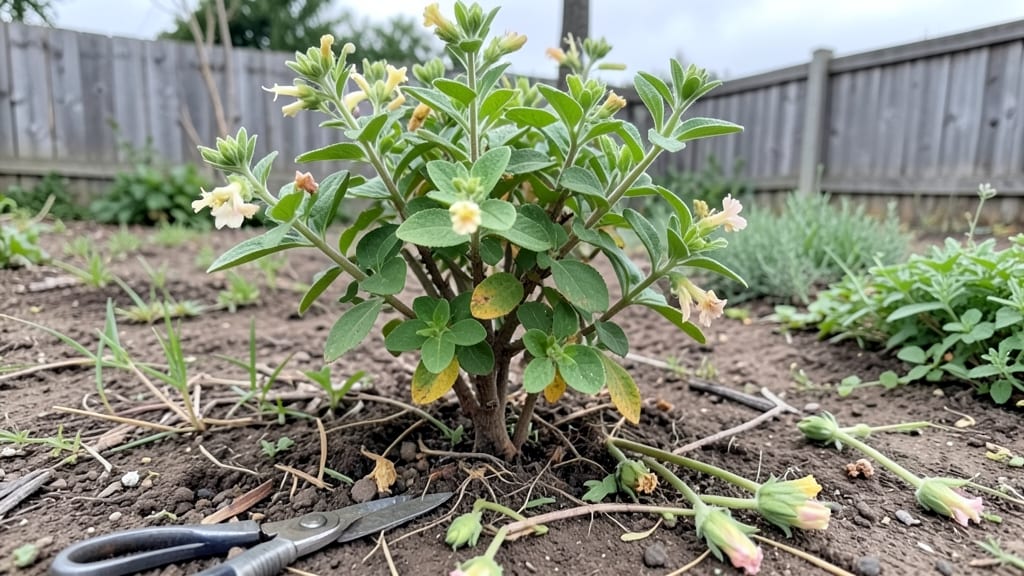
Trimming lantana plants isn’t just about keeping them neat—it’s the secret to those nonstop blooms that make your garden look like a tropical paradise year-round. 🌿 I’ve learned that three strategic cuts a year transform wild, leggy bushes into compact, flowering powerhouses.
The first cut after the first frost clears out the old wood, the second in early summer keeps them bushy, and the final trim in late summer preps them for winter.
You’ll need sharp bypass pruners or loppers, gloves, and a clear day when the plants aren’t stressed. Most people overdo it—cutting back too much too soon—but lantanas bounce back fast. Focus on removing about one-third of the oldest stems each time, always cutting just above a leaf node or bud.
This encourages new growth where you want it, not at the base where it looks messy.
After each trim, you’ll see fresh green shoots pushing out within 2-3 weeks, followed by fresh clusters of blooms in vibrant yellows, pinks, or oranges. The plants stay compact, resist pests better, and even handle winter frost with less damage.
It’s the difference between a few sad flowers and a bush that looks like it’s on steroids.
Works for both container lantanas and in-ground plants, and the same rules apply whether you’re dealing with a single bush or a hedge. The key is consistency—skip a season, and you’ll spend all summer playing catch-up. Let’s get those shears ready!
📚 In This Guide
- What you need
- Instructions
- Tips and common mistakes
- Wrapping up and next steps
What you need
- ● Pruning shears or hand pruners – Sharp, bypass-style shears (for clean cuts on smaller stems). Quantity: 1 pair.
- ● Loppers – For thicker stems (½ inch or larger). Quantity: 1 pair.
- ● Garden gloves – Heavy-duty, chemical-resistant gloves (lantana thorns are no joke!). Quantity: 1 pair.
- ● Disposable pruning bags or bucket – For collecting trimmings. Quantity: 1-2 (depending on plant size).
- ○ Rake or leaf blower – Optional but helpful for clearing debris after trimming.
- ● Hose with nozzle – To rinse tools and clean up.
- ● Hand sanitizer or rubbing alcohol – For disinfecting tools between cuts (prevents disease spread).
- ● Fertilizer (balanced, 10-10-10 or slow-release) – Apply after spring/early summer trims to encourage new growth. Quantity: Small bag (5-10 lbs).
- ○ Mulch (optional) – Shredded bark or compost to retain moisture and suppress weeds. Quantity: 2-3 inches layer.
- ● Plant food with bloom boosters – For fall trims to promote winter blooms.
How to trim lantana plants for continuous, lush blooms
Lantana thrives on regular trims—here’s the seasonal approach I use to keep my bushes flowering nonstop.
✂️ Step 1: Early Spring Pruning (Late February to March)
Start by cutting back one-third of the plant’s height with clean, sharp pruners. I always begin by removing any dead or damaged branches first—they sap energy from new growth. Lantana blooms on new wood, so this early trim encourages fresh, vigorous shoots that will produce flowers all season.
Focus on shaping the plant by cutting just above a leaf node (the point where leaves attach to the stem). This ensures new growth will emerge from that spot. Avoid cutting into old, woody stems—you’ll know it’s too old if it feels hard and doesn’t bend easily. After trimming, give the plant a light watering to help it recover.
✂️ Step 2: Mid-Summer Maintenance (June to August)
When you notice flower clusters starting to fade or the plant looking leggy, it’s time for a light trim. I cut back 5-10% of the plant’s height to promote bushier growth and more blooms. Look for stems that are growing too long or have lost most of their flowers—these are the ones to trim back to encourage new, flowering branches.
This is also when I remove any spent flower clusters by cutting them back to the nearest leaf node. Don’t worry about being too precise—lantana is forgiving. Just keep the plant looking full and balanced. After trimming, I often fertilize lightly to support the new growth and flowering.
✂️ Step 3: Fall Cleanup (October to November)
As temperatures drop and growth slows, give your lantana a final trim to prepare for winter. Cut back about 25% of the plant’s height, focusing on any overgrown or unruly branches. This helps the plant conserve energy and promotes healthier growth in the spring. Remove any dead, diseased, or weak stems completely.
Shape the plant lightly to maintain its form, but don’t overdo it—lantana can handle a bit of winter pruning. After trimming, I clean up any fallen leaves or debris around the base to prevent pests or diseases from overwintering. Mulch lightly around the base to protect the roots from cold snaps.
🌿 Step 4: Year-Round Light Trimming (As Needed)
Throughout the year, keep an eye out for any stems that are growing out of balance or looking too long. A quick trim here and there keeps the plant looking neat and encourages more blooms. I usually trim just the tips of leggy stems to promote bushier growth—this is called "pinching back."
If you notice any yellowing or diseased leaves, remove them immediately to prevent the issue from spreading. Lantana is tough, but it’s always better to catch problems early. A little regular maintenance goes a long way in keeping your lantana healthy and flowering beautifully.
Tips & tricks for perfect lantana trimming
A few simple tricks will help you keep your lantana flowering beautifully all year long without the guesswork.
Tool Tip: Invest in a pair of clean, sharp pruning shears—dull blades tear stems and create entry points for disease. I sterilize mine with rubbing alcohol between plants to prevent spreading any potential pathogens. For larger branches, use loppers to avoid crushing the stems.
Timing Secret: In Step 1, when cutting back one-third of the plant’s height, don’t rush this process. Take your time to assess each branch individually—this is your chance to really shape the plant for the growing season. I like to step back every few cuts to visualize the overall form. The goal is to create an open, airy structure that allows sunlight to reach all parts of the plant, which encourages more blooms.
Pruning Precision: That leaf node you’re cutting above in Step 2 is crucial—it’s where new growth will emerge. Look for the small bump where leaves attach to the stem, then make your cut just above it at a slight angle. This angle helps rainwater run off rather than pool on the cut. I always make a point to cut at 45-degree angles to maximize this benefit, especially in humid climates where fungal diseases can be a problem.
Seasonal Strategy: The fall cleanup in Step 3 is your opportunity to really tidy up. While you’re removing those dead stems, take a moment to examine the plant’s overall structure. If you notice any stems growing in odd directions or crossing each other, this is the perfect time to correct those growth patterns. I find that a little extra attention during this step makes spring maintenance much easier—your plant will start the new season with a clean slate and better airflow.
Pro Tips for Trimming Lantana Plants
- A few simple tricks will help you keep your lantana flowering beautifully all year long without the guesswork.
- Tool Tip: Invest in a pair of clean, sharp pruning shears—dull blades tear stems and create entry points for disease.
- Timing Secret: In Step 1, when cutting back one-third of the plant’s height, don’t rush this process.
Frequently asked questions
Got questions about keeping your lantana blooming beautifully? Here are some of the most common ones—and their answers!
When is the best time to trim lantana plants?
Trim lantana plants three times a year: early spring (to shape and encourage new growth), mid-summer (to promote fall blooms), and late fall (to clean up before winter). Light trims can also be done year-round to maintain shape and remove dead flowers.
How much can I cut back lantana without harming it?
Lantana is tough! You can safely trim up to one-third of the plant in a single session. For hard pruning (like after winter), cut back to about 6–12 inches from the ground—it’ll bounce back with vigor. Just avoid over-trimming in one go to prevent stress.
Will trimming lantana hurt bees or butterflies?
Not at all! Lantana is a pollinator magnet, and trimming actually helps by removing spent blooms, which encourages more flowers for bees and butterflies. Just trim in the early morning when pollinators are less active to minimize disruption.
What should I do if my lantana looks leggy after trimming?
Leggy growth happens when lantana doesn’t get enough light or nutrients. To fix it, prune back to encourage bushier growth, and ensure it gets 6+ hours of sunlight daily. Fertilize lightly with a balanced 10-10-10 or bloom booster in spring/summer.
Are there alternatives to cutting lantana back hard?
Yes! For a softer look, try pinching (removing the tips of new growth) or deadheading (snipping off spent flowers) to encourage continuous blooms. You can also shape it naturally by trimming selectively—just avoid shearing, which can make it look unnatural.
Wrapping up and next steps
Trimming your lantana plants isn’t just about keeping them tidy—it’s the secret to year-round blooms and a healthier garden! 🌸 By mastering the three seasonal cuts (spring, summer, and fall), you’ll encourage vibrant growth, prevent overcrowding, and even control their spread.
Whether you’re a pruning pro or just starting, consistency is key—grab those shears and give your lantana the care it deserves.
Ready to transform your garden? Start with one small section this week, and watch those flowers flourish! 🌿 Next, explore our guide on identifying the best time to prune for maximum impact.