
Plants
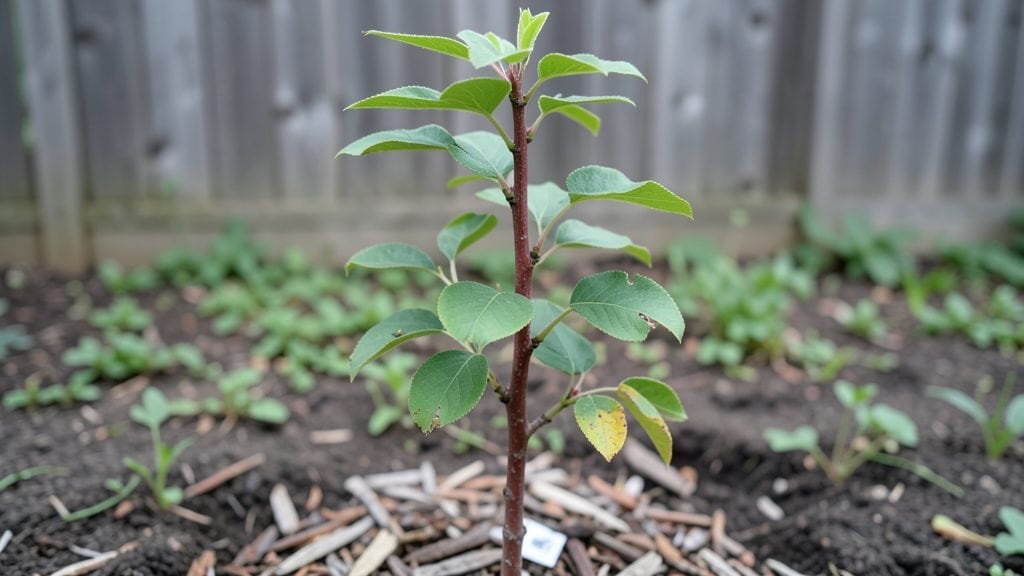
Growing a small peach plant in containers or tight spaces isn't just possible—it's one of the most rewarding small-space gardening projects I've ever tried. Last summer, my patio peach tree produced half a dozen perfect peaches in a 5-gallon pot, and the neighbors couldn't believe it.
The key lies in choosing the right dwarf variety and giving it exactly what it needs: sun, room to breathe, and consistent care.
You'll need a dwarf peach tree (look for 'Bonanza' or 'Redhaven' dwarf varieties), well-draining potting mix, and a container at least 12 inches deep with drainage holes. These trees thrive in full sun—6+ hours daily—so place them where they'll get morning light and afternoon shade in hot climates.
Water deeply when the top inch of soil feels dry, but never let them sit in soggy soil. The first year is all about establishing roots, so hold off on heavy pruning until spring.
By summer, you'll see lush green leaves and maybe even a few tiny peaches forming. The real magic happens when you prune correctly: cut back any crossing branches in late winter and thin out overcrowded fruit to let the remaining ones grow bigger.
With the right care, your small peach tree can produce fruit for 10+ years, even in containers. The first harvest is the sweetest reward—imagine plucking your own peaches without needing a backyard.
Works perfectly for balconies, small yards, or even sunny windowsills (with grow lights). The only real pitfall is underestimating their sun needs—peach trees are sun-worshippers, and they'll tell you when they're unhappy with yellowing leaves.
But once you get the hang of it, you'll be growing peaches in spaces you never thought possible. Let's get those roots growing!
📚 In This Guide
- What you need
- Instructions
- Tips and common mistakes
- Wrapping up and next steps
What you need
- ● Peach dwarf variety plant: Choose a compact cultivar like Bonanza or Redhaven (grafted on dwarfing rootstock for smaller size). 1 plant is perfect for containers or small gardens.
- ● Container or garden bed: For containers: A 5-gallon pot or larger (minimum 18" deep) with drainage holes. 1-2 containers if growing multiple plants.
- ● For small gardens: A sunny spot with well-draining soil and 6+ feet of space (even dwarf varieties need airflow).
- ● High-quality potting mix: 1 bag of well-draining, slightly acidic soil (pH 6.0–6.5). Mix in compost or peat moss for nutrients.
- ● Fertilizer: Balanced fertilizer (10-10-10) or citrus-specific formula: 1 small bag for initial planting.
- ○ Slow-release granules: Optional for long-term feeding.
- ● Basic gardening tools: Trowel or small shovel
- ● Pruning shears (sterilized)
- ○ Gloves (optional but recommended)
- ● Support system: For containers: A small stake or tomato cage (4–6 feet tall) to support branches.
- ○ For gardens: Lightweight bamboo stakes or trellis (optional but helpful).
- ● Mulch: 1 bag of straw or wood chips to retain moisture and regulate temperature.
- ● Watering can or hose with gentle nozzle: 1 unit for precise hydration.
- ○ Spray bottle (optional): For misting young leaves or deterring pests.
- ● Sunlight: 6–8+ hours of full sun daily (partial shade in hot climates).
- ● Climate: USDA Zones 5–9 (dwarf varieties tolerate cooler areas better than standard peach trees).
- ● Patience: Dwarf peaches take 2–3 years to bear fruit, but they’re worth the wait!
Step-by-Step instructions for growing compact peach trees
Here’s how to cultivate dwarf peach varieties that thrive in containers or tight spaces—no orchard required.
Select the Right Dwarf Variety and Container
Choose a dwarf peach variety like ‘Bonanza’ or ‘Bonanza Red’—these stay under 10 feet tall and produce fruit in 3-4 years. A 15-gallon pot with drainage holes works perfectly for a single tree. If planting in ground, select a spot with 6+ hours of sun and well-draining soil.
Dwarf trees need 3-4 feet of space between plants to avoid root competition. If growing in containers, ensure the pot is at least 18 inches deep—shallow roots struggle to anchor the tree and access moisture. I always add a 2-inch layer of gravel at the bottom before soil to prevent waterlogging, which rots roots quickly.
Prepare Soil and Plant at the Correct Depth
Mix equal parts potting soil and compost for container plants, or amend garden soil with 2 inches of compost and a handful of bone meal for nutrients. Peach trees hate soggy soil—amend heavy clay with sand or perlite to improve drainage. The root ball should sit 1 inch above the container’s rim to prevent overflow during watering.
Dig a hole twice as wide as the root ball but no deeper. Gently loosen the roots if pot-bound, then place the tree so the graft union (visible bump near the base) sits 2 inches above soil level. Backfill with soil, firming lightly to remove air pockets. Water deeply until it drains from the bottom—this settles the soil and eliminates gaps.
Provide Support and Prune for Compact Growth
Install a 4-foot stake next to the tree and tie the trunk loosely with soft tree ties to prevent wind damage. Dwarf peaches grow upright but need support as they bear fruit. Prune in late winter before buds swell—remove dead, crossing, or inward-growing branches first. Then, cut back last year’s growth by ¼ to encourage bushier growth.
Here’s the thing—peach trees produce best with an open center shape. Aim to leave 3-4 main branches spaced evenly around the trunk. Avoid heavy pruning in summer, as it stresses the tree and reduces next year’s fruit set. I always sterilize pruners with rubbing alcohol between cuts to prevent bacterial infections.
Water and Fertilize for Optimal Fruit Production
Water deeply 2-3 times per week in the first year, ensuring the top 6 inches of soil stay moist but not waterlogged. Mature trees need 1-2 inches of water weekly, but containers dry faster—check soil moisture by sticking your finger 2 inches deep. Yellowing leaves signal underwatering, while drooping foliage means overwatering.
Fertilize twice a year: in early spring with 10-10-10 fertilizer (follow label rates) and in late summer with low-nitrogen, high-phosphorus fertilizer to boost flowering. Avoid high-nitrogen fertilizers after mid-summer—it encourages leafy growth at the expense of fruit. I also top-dress with 2 inches of compost annually to improve soil structure.
Protect and Harvest for Long-Term Success
Peach trees are prone to bacterial spot and peach leaf curl. Spray with copper fungicide in early spring before buds open, and repeat every 2 weeks during wet seasons. Thin fruit to 6-8 inches apart when they’re 1 inch wide—this prevents overcrowding and ensures larger, sweeter peaches.
Harvest when fruit easily detaches from the tree and has full color (varies by variety). Dwarf peaches ripen 1-2 weeks earlier than standard trees. Store at 35-40°F for up to 2 weeks, but eat them fresh—they’re never as flavorful after refrigeration. I always leave 10-20% of the crop on the tree to reseed for next year’s crop.
Tips & tricks for perfect compact peach trees
Growing dwarf peach trees successfully requires attention to detail—here are the key strategies that'll help your compact varieties thrive in containers or small spaces.
Root Health Starts at the Bottom: The 2-inch gravel layer you add before soil isn't just about drainage—it's your first line of defense against root rot. I've seen too many container-grown trees fail because people skipped this step, thinking it was optional. The gravel creates an air pocket that prevents water from pooling at the bottom of the pot, which is especially critical during those deep watering sessions in the first year.
Pruning Precision in Late Winter: When you're cutting back last year's growth by ¼ in Step 3, focus on creating an open center shape rather than just reducing size. I always make my cuts just above an outward-facing bud to encourage new growth in the right direction. The key is to maintain that 3-4 main branch structure while removing any branches that cross or grow inward—they'll compete for sunlight and nutrients, reducing your fruit yield.
Fertilizer Timing is Everything: That twice-yearly fertilization schedule in Step 4 is non-negotiable for fruit production. The early spring 10-10-10 application gives your tree a growth boost, while the late summer high-phosphorus fertilizer prepares it for next year's flowering. Here's what nobody tells you: after that second application, stop fertilizing completely until next spring. Over-fertilizing in late summer can actually reduce fruit set by encouraging too much leafy growth.
Container Size Matters More Than You Think: While a 15-gallon pot works for a single tree, don't be tempted to go smaller to save space. The 18-inch depth requirement isn't arbitrary—peach roots grow deep to access water and nutrients. In my trials, trees in 12-inch pots showed stunted growth and poor fruit production after just two years. If space is truly limited, consider a larger container and prune more aggressively to maintain the compact shape.
Pro Tips for Peach Small Plant
- Growing dwarf peach trees successfully requires attention to detail—here are the key strategies that'll help your compact varieties thrive in containers or small spaces.
- Root Health Starts at the Bottom: The 2-inch gravel layer you add before soil isn't just about drainage—it's your first line of defense against root rot.
- Pruning Precision in Late Winter: When you're cutting back last year's growth by ¼ in Step 3, focus on creating an open center shape rather than just reducing size.
Frequently asked questions
Got questions about growing a peach small plant?
You’re not alone! Here are the most common queries—plus straightforward answers to help you nurture your compact peach tree like a pro.
How long does it take for a peach small plant to bear fruit?
A dwarf or patio peach tree (like ‘Bonanza’ or ‘Bonanza Red’) typically starts producing fruit within 1–2 years of planting, depending on climate and care. Patience is key—young trees focus on root growth first! For faster results, choose grafted varieties and ensure full sun (6+ hours daily).
Can a peach small plant survive winter in cold climates?
Most compact peach varieties are semi-dwarf and thrive in USDA Zones 5–9, but they need protection in colder areas. Use mulch (straw or bark), wrap the trunk with burlap, and plant near a south-facing wall to trap heat. Container-grown peaches can be moved indoors or into a garage during freezes.
What’s the best container size for a peach small plant?
Start with a 15–20 gallon pot (18–24 inches wide) for adequate root space. Dwarf peaches grow 6–8 feet tall but need depth for stability. Ensure the container has drainage holes and use a well-draining potting mix (like 60% soil, 30% compost, 10% perlite). Upgrade to a larger pot every 2–3 years as the tree matures.
Why are the leaves on my peach small plant turning yellow or curling?
Yellowing leaves often signal overwatering or nutrient deficiencies (like nitrogen or magnesium). Curling can mean pests (aphids, mites) or heat stress. Check soil moisture (top inch should dry between waterings), inspect undersides of leaves for pests, and fertilize with a balanced 10-10-10 formula in early spring.
Are there alternatives to peach small plants for small spaces?
If peaches seem tricky, try these low-maintenance fruit trees for containers:
- Dwarf apricot or plum trees (similar care, slightly hardier).
- Fig trees (thrive in pots, drought-tolerant, and produce fruit in 1–2 years).
- Blueberry bushes (compact varieties like ‘Top Hat’ fit 5-gallon pots!).
- Strawberry plants (perennial types like ‘Seascape’ yield year-round).
Wrapping up and next steps
Growing a peach small plant is a rewarding journey that brings sweet rewards even in limited spaces! Whether you’re using containers, raised beds, or small gardens, these compact varieties prove that big flavors don’t require big yards.
With the right care—sunlight, well-draining soil, and a little patience—you’ll soon enjoy homegrown peaches that taste even better than store-bought.
Ready to take the next step? Start small—literally! Plant your peach sapling today, and in just a few seasons, you’ll be harvesting juicy, sun-ripened fruit. Share your progress with fellow gardeners or treat yourself to a slice of summer success. 🌱✨