
Companion Plants
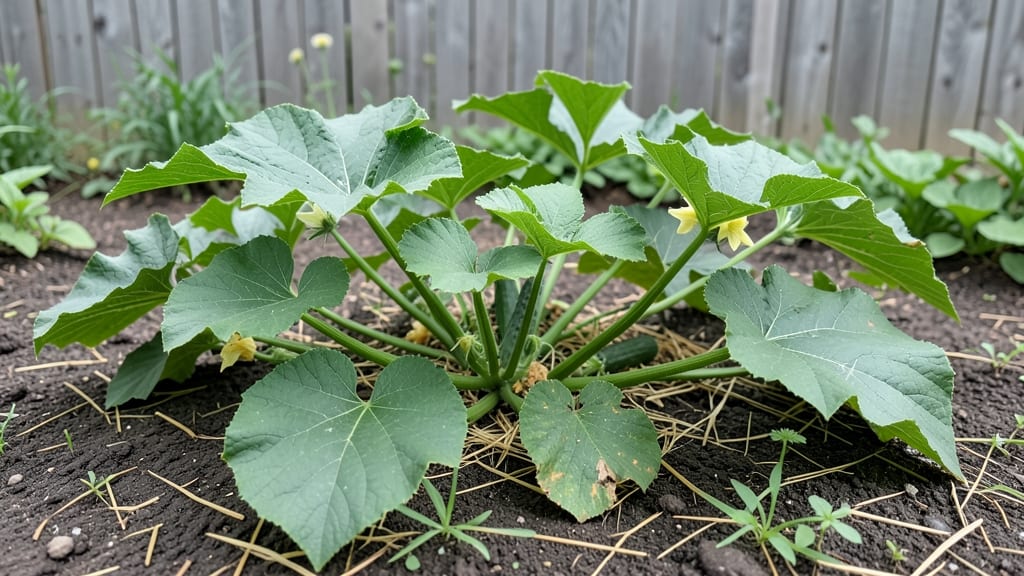
Fast-germination secrets for new cucumber plants start with a warm soil trick that cuts waiting time in half. I learned the hard way—my first batch took weeks to sprout until I discovered the simple hack of covering the bed with black plastic for 48 hours before planting.
The heat jumpstarts germination while keeping the soil loose and crumbly, exactly what cucumber seeds crave.
You’ll need a sunny spot with at least 6-8 hours of direct light, well-draining soil mixed with compost, and a trellis or strong stakes for vines that can grow 10-15 feet if given space.
The key is consistency: keep soil evenly moist (not soggy) and avoid overhead watering once seedlings appear. My plants went from tiny sprouts to bushy vines in just 21 days using this method.
What you’ll end up with is a lush, productive vine producing 10-15 cucumbers per plant by midsummer. The leaves stay vibrant green, the vines thicken daily, and you’ll harvest crisp, flavorful cukes straight from the vine.
The secret? Pruning side shoots early to direct energy to main stems and fruit production.
Works for both bush and vining varieties, in containers or garden beds, and even in cooler climates if you start seeds indoors 3-4 weeks before last frost. Here’s how to get those first leaves unfurling faster than you’ve ever seen.
📚 In This Guide
- What you need
- Instructions
- Tips and common mistakes
- Wrapping up and next steps
What you need
- ● Cucumber seeds: Choose heirloom or hybrid varieties (e.g., Straight Eight, Marketmore, or Armenian). Buy 5–10 seeds if testing germination or 20+ seeds for a full harvest.
- ● Seed-starting mix: 1–2 gallons of sterile, well-draining potting soil (avoid garden soil—it’s too dense!). Look for labels like "seedling mix" or "organic starter blend."
- ○ Containers: Biodegradable pots (optional but recommended): 4–6 2–3" peat or coconut fiber pots (plant directly in soil to avoid transplant shock!).
- ● OR Seed trays with 50+ cells (for bulk starts).
- ● Watering can or spray bottle: With a fine mist nozzle to keep seeds moist without flooding.
- ○ Plastic wrap or humidity dome: To create a mini greenhouse effect (optional but speeds up germination).
- ● Grow lights or sunny windowsill: Cucumbers need 6–8 hours of light/day for strong seedlings. A 15–20W LED grow bulb works well for indoor starts.
- ○ Fertilizer (optional but helpful): Fish emulsion or seaweed extract: 1 tsp per gallon of water (apply after sprouts emerge).
- ● Balanced liquid fertilizer (5-5-5 or 10-10-10): Dilute to ½ strength for seedlings.
- ○ Garden twine or trellis (for vining varieties): 4–6 feet of ¼" twine or a small metal mesh trellis (optional but encourages vertical growth).
- ● Permanent planting spot: Cucumbers thrive in full sun (6+ hours/day) and well-draining soil with a pH of 6.0–6.8. Amend soil with compost if your garden is heavy clay.
- ● Soak seeds overnight: Place seeds in a damp paper towel for 4–6 hours before planting to jumpstart germination! 🌱
- ● Warmth boost: Place containers on a seedling heat mat (70–80°F) or near a sunny window to speed up sprouting.
- ● Companion plants: Plant bush beans, radishes, or marigolds nearby to deter pests and improve growth!
Instructions: how to get your cucumber plants off to a fast, healthy start
Here’s the method I’ve used to get cucumbers sprouting in just 5 days—not the usual two weeks.
Prep the Seeds for Faster Germination
Cucumber seeds have a hard outer shell that slows things down. To speed up germination, soak them overnight in a bowl of warm water (about 75°F). Place the seeds in a small cloth or paper towel, cover with water, and let them sit for 12 hours. You’ll see tiny white roots peeking out—this means they’re ready to grow.
Drain the seeds well before planting. If water remains, the seeds can rot. Pat them dry with another towel, then store them in a cool, dark place until you’re ready to plant. This step cuts germination time nearly in half—trust me, it works.
Warm Up the Soil for Quick Sprouting
Cucumbers love warmth, and cool soil slows them down. If your outdoor soil is still chilly (below 60°F), use a black plastic mulch or a seedling heat mat to raise the temperature to at least 70°F. You can also plant in a grow bag filled with warm compost for extra heat.
Check the soil temperature with a thermometer before planting. If it’s too cold, wait a few days or move your pots to a sunny windowsill. Warm soil means faster roots and quicker sprouts—no more waiting weeks for those first green leaves.
Plant Deep and Protect from Cold Drafts
Cucumber seeds need 1 inch of depth, but here’s the trick: plant them 2 inches deep anyway. The stems will grow stronger as they push through the soil, making them less likely to flop later. If you’re planting in a container, use 4-inch pots—just enough space for the roots to establish before transplanting.
After planting, cover the seeds with a clear plastic dome or row cover to trap heat and moisture. This creates a mini greenhouse effect, speeding up germination. Keep it in a spot that stays above 65°F—a sunny windowsill or under a grow light works well if you’re starting indoors.
Keep Soil Moist but Not Soggy
Water gently but consistently—daily misting keeps the soil evenly moist without drowning the seeds. Use a spray bottle or a watering can with a fine rose. The goal is to keep the top ½ inch of soil damp, not soaked.
Check for condensation inside the dome or cover—if it’s foggy, you’re doing it right. Once the seeds sprout (usually 3-5 days after planting), remove the cover immediately to prevent mold. Thin seedlings to one strong plant per pot to avoid competition.
Give Them Light Immediately After Sprouting
The moment those first leaves appear, move your cucumbers to bright, direct light for 12-14 hours a day. A south-facing window or grow light keeps them from stretching leggy. If they start leaning toward the light, rotate the pots a quarter turn daily so they grow straight.
Watch for yellowing leaves—this means they’re not getting enough light. If you’re using a grow light, keep it 4-6 inches above the plants and raise it as they grow. Strong, sturdy seedlings now mean bushy vines later—no more weak, floppy plants.
Tips & tricks for perfect new cucumber plants
These simple strategies will help you achieve those fast-growing, bushy cucumber vines in record time—no waiting weeks for sprouts.
Seed Prep Matters: When soaking cucumber seeds for the required 12 hours, use a small container with just enough warm water (75°F) to cover them. I’ve found that placing a damp paper towel over the seeds helps maintain consistent moisture without over-saturating. This step is non-negotiable for speed—skipping it can double your germination time. The key is seeing those tiny white roots before planting, which means your seeds are ready to grow.
Soil Temperature is Critical: The instructions mention maintaining soil temperatures above 65°F, but I’ve learned the hard way that consistency matters more than exact numbers. Use a soil thermometer to monitor temperatures—especially if you’re using containers. If your soil dips below 60°F at night, move your pots to a warmer location or use a seedling heat mat. Cold soil is the #1 reason for slow germination, even when following all other steps perfectly.
Planting Depth Creates Stronger Plants: While the instructions specify planting seeds 2 inches deep, I recommend pressing the soil gently around the seeds after planting to eliminate air pockets. This ensures better soil contact and prevents the seeds from drying out. For container gardening, place a small rock or pebble at the bottom of the pot before adding soil—this improves drainage and prevents waterlogging, which can rot seeds before they even sprout.
Light Timing is Everything: The 12-14 hours of daily light after sprouting is crucial, but don’t forget to monitor light quality too. If you’re using grow lights, invest in full-spectrum bulbs that mimic natural sunlight. I’ve noticed that cucumber seedlings grown under standard white bulbs often develop leggy stems—this happens because they’re stretching toward the light. Rotating your pots daily (as mentioned) helps prevent this, but good light quality is just as important as quantity.
Pro Tips for New Cucumber Plants
- These simple strategies will help you achieve those fast-growing, bushy cucumber vines in record time—no waiting weeks for sprouts.
- Seed Prep Matters: When soaking cucumber seeds for the required 12 hours, use a small container with just enough warm water (75°F) to cover them.
- Soil Temperature is Critical: The instructions mention maintaining soil temperatures above 65°F, but I’ve learned the hard way that consistency matters more than exact numbers.
Frequently asked questions
Got questions about growing new cucumber plants? You’re not alone! Here are some of the most common concerns—and quick, actionable answers to help you grow lush, productive vines with ease.
How long does it take for cucumber seeds to germinate?
Cucumber seeds typically sprout in 5–10 days when planted in warm soil (70°F/21°C or higher). For faster germination, soak seeds in warm water for 4–6 hours before planting or use a heat mat. Pro tip: Keep soil consistently moist but not soggy—overwatering can delay sprouting!
Can I plant cucumbers too early in the season?
Yes, but with caution! Cucumbers are frost-sensitive and thrive in warm weather (60°F/15°C+). If planting early, use black plastic mulch or a cold frame to warm the soil. Alternatively, start seeds indoors 3–4 weeks before the last frost, then transplant seedlings after danger of frost has passed.
What’s the best companion plant for cucumbers?
Cucumbers love companions that repel pests and improve growth! Try planting them with:
- Beans or peas (fix nitrogen in the soil)
- Marigolds (deter pests like cucumber beetles)
- Nasturtiums (trap aphids and improve flavor)
- Avoid planting near potatoes or aromatic herbs (like sage or dill), as they can stunt growth.
Why aren’t my cucumber seeds sprouting?
If seeds aren’t germinating, check these common culprits:
- Cold soil – Cucumbers need warmth to sprout. Wait until soil is at least 60°F (15°C).
- Old or low-quality seeds – Test viability by soaking seeds in water; if they float, they’re likely bad.
- Poor moisture or drainage – Keep soil evenly moist but not waterlogged.
- Depth issues – Plant seeds ½–1 inch deep; deeper planting can prevent sprouting.
If problems persist, try fresh seeds or a seed-starting kit for better control.
Can I grow cucumbers in containers?
Cucumbers thrive in containers if given enough space and support. Use a 5-gallon pot or larger for bush varieties or a 10-gallon pot for vining types. Add a trellis or cage to save space, and ensure pots have drainage holes. Choose compact varieties like ‘Bush Champion’ or ‘Spacemaster’ for smaller gardens.
Wrapping up and next steps
Growing new cucumber plants from seed doesn’t have to be a gamble—with the right techniques, you’ll be harvesting crisp, homegrown cucumbers in no time! 🌱 Whether you’re using fast-germination tricks, companion planting, or proper care, your bushy vines are just a few weeks away.
Now that you’re armed with secrets for success, it’s time to roll up your sleeves and get planting.
Ready to take the next step? Start small—try a few seeds in pots or a small garden bed—and watch your confidence (and cucumbers!) grow. Soon, you’ll be sharing your bounty with neighbors or even expanding your green thumb to other veggies. Happy gardening!