Propagation
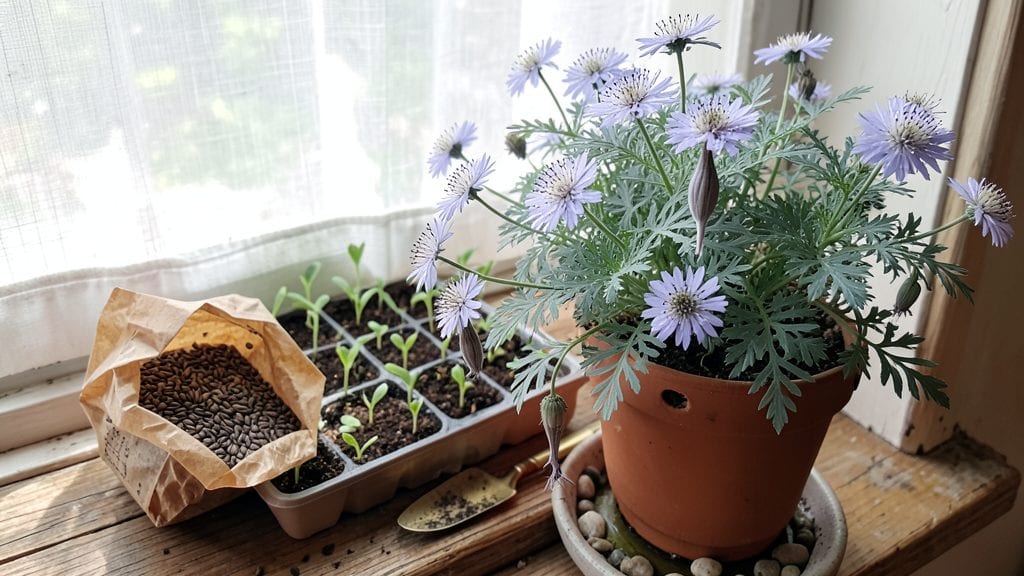
Planting nigella seeds isn't just about growing flowers—it's about unlocking fast germination and dramatic black lace blooms that steal the show every summer. 🌿 I've learned the hard way that skipping these key steps means waiting weeks for sparse seedlings, but with the right timing and soil, you'll see tiny green spikes in just 7-10 days.
The secret lies in mimicking their natural Mediterranean habitat: loose, well-draining soil and a sunny spot that bakes warm before planting.
You only need three things: nigella seeds (the tiny, papery packets you'll find at nurseries), a sunny patch with at least 6 hours of sunlight daily, and soil that drains like a sandy beach—not heavy clay.
Scatter seeds ¼-inch deep, barely covering them, since they need light to germinate. Crowding is tempting, but give them 6-12 inches of space to prevent mildew and let those delicate blooms shine. Overcrowding turns your garden into a tangle of stems instead of a cloud of lace.
Once planted, water lightly—just enough to keep the soil damp, not soggy. Think of it like misting a sponge, not drowning it. Within two weeks, you'll have velvety blue-green seedlings that grow surprisingly fast.
The real magic happens when those first black-centered blooms appear, turning heads at weddings and cottage gardens alike. These aren't just flowers; they're edible too—toss the seeds in salads for a peppery crunch.
Spring and fall are your best bets for planting, but nigella's tough enough to handle late summer sowings too—just expect blooms next year. The key is patience: let those seeds dry out between waterings once established, and you'll have self-seeding drama for years.
Here's where it gets interesting—your first batch might surprise you with unexpected colors or even double blooms if you're lucky. Let's get those seeds in the ground!
📚 In This Guide
- What you need
- Instructions
- Tips and common mistakes
- Wrapping up and next steps
What you need
- ● Nigella seeds (Love-in-a-Mist): 1 packet (50-100 seeds, organic preferred for best results).
- ● Well-draining potting soil: 1 bag (10-12 quarts, mix with perlite or sand for aeration).
- ● Seed trays or small pots: 2-4 (3-4 inches deep, with drainage holes).
- ● Watering can or spray bottle: 1 (with a fine mist nozzle for gentle watering).
- ● Plastic wrap or clear lid: 1 (to create a mini greenhouse effect).
- ○ Gloves (optional): 1 pair (to keep hands clean while handling soil/seeds).
- ● Trowel or small shovel: 1 (for transplanting seedlings later).
- ● Sunlight access: A south-facing window or grow light (6+ hours/day).
- ○ Fertilizer (optional): 1 tsp of balanced 10-10-10 fertilizer (mixed into soil for extra vigor).
- ● Label markers: 2-3 (to track planting dates and varieties).
Step-by-step instructions for planting nigella seeds
Here's how to coax those delicate nigella seeds into fast, reliable germination for a showstopping cottage garden.
🌱 Step 1: Prepare the Soil for Maximum Germination Speed
Nigella thrives in well-draining soil with a slightly alkaline pH (aim for 6.5-7.5). Work 2-3 inches of compost into the top layer of your prepared bed, breaking up any compacted areas with a garden fork. The key here is loose, aerated soil—these seeds despise soggy conditions that slow germination or invite rot.
Rake the surface smooth but don't overwork it. You want a fine, crumbly texture where seeds can make direct contact with moisture without sinking too deep. If planting in containers, use 2 parts potting mix to 1 part perlite for that same airy structure. Press down lightly after sowing to ensure soil-to-seed contact without burying them.
💧 Step 2: Sow Seeds at the Perfect Depth for Fast Sprouting
Scatter the nigella seeds thinly across the prepared surface—¼ inch apart—since they self-thin naturally as they mature. Press them lightly into the soil with your fingertips (no need to cover them with extra dirt). These seeds need light to germinate, so any burial deeper than ⅛ inch will delay sprouting by 1-2 weeks or more.
Water gently with a fine mist spray until the soil is evenly moist to ½ inch deep. You'll know it's right when water beads form on the surface but don't pool. Avoid overhead watering after germination—direct streams can wash seeds away or create muddy conditions that suffocate tender sprouts.
☀️ Step 3: Provide Ideal Conditions for Rapid Germination
Nigella seeds germinate fastest in consistent warmth (65-75°F) and bright light. If planting outdoors, choose a sheltered spot that receives at least 6 hours of sunlight daily. For indoor starts, place containers near a south-facing window or under grow lights kept 2-3 inches above the seedlings once they emerge.
Keep the soil consistently moist (not soggy) during germination, which typically takes 10-21 days. The longer you wait, the more likely seedlings will become leggy. Watch for first true leaves (not the initial seed leaves)—this signals it's safe to thin if needed. Real talk: If your soil stays cold (below 60°F), germination can stretch to 30+ days—consider a seedling heat mat if you're impatient.
✂️ Step 4: Thin and Maintain for Bold, Dramatic Blooms
Once seedlings reach 2 inches tall with 3-4 true leaves, thin to 6-8 inches apart to prevent overcrowding. Use sharp scissors to snip at soil level—pulling risks disturbing roots of remaining plants. Nigella's lacy foliage and poppy-like blooms need space to develop their signature drama, so don't rush this step.
Water deeply once weekly (or when top 1 inch of soil feels dry), directing the stream at the base rather than overhead. Mulch with 1 inch of straw to retain moisture and suppress weeds. You'll see first flowers in 8-10 weeks—these self-seeding beauties often return year after year if left to their own devices.
Tips & tricks for fast-germination secrets with nigella seeds
Here's the secret to beating the wait: these little tricks will help you coax those nigella seeds into sprouting within the promised 10-21 day window—sometimes even faster.
Soil Temperature Matters: While the instructions mention ideal germination temperatures of 65-75°F, I've found that maintaining soil temperatures above 70°F can cut germination time by nearly half. Use a soil thermometer to monitor—if your garden soil drops below 65°F, consider using a seedling heat mat (set to 75°F) for containers. The difference between 60°F and 70°F soil can mean the difference between 30 days and 14 days of waiting!
Light Exposure Hack: Nigella seeds need light to germinate, but most gardeners overlook the importance of maintaining that light exposure during the entire germination process. After sowing, place a small piece of clear plastic or glass over the container to create a mini greenhouse effect while still allowing light through. This traps warmth and moisture while preventing the soil from drying out too quickly—critical for maintaining that 10-21 day window.
Watering Wisdom: The instructions mention watering until soil is evenly moist to ½ inch deep, but here's what nobody tells you: use room temperature water. Cold water can shock the seeds and delay germination by several days. I fill a spray bottle with water that's been sitting out for at least 30 minutes to reach room temperature before applying that fine mist. You'll notice the difference in how quickly those first sprouts appear.
Thinning Strategy: In Step 4, the instructions mention thinning to 6-8 inches apart once seedlings reach 2 inches tall. Here's my pro tip: wait until they have 4-5 true leaves before thinning. This gives them a stronger root system to recover from the thinning process, resulting in more robust plants that produce those dramatic poppy-like blooms you're after. The extra week of growth makes all the difference in plant health.
Pro Tips for Nigella Seeds Planting
- Here's the secret to beating the wait: these little tricks will help you coax those nigella seeds into sprouting within the promised 10-21 day window—sometimes even faster.
- Soil Temperature Matters: While the instructions mention ideal germination temperatures of 65-75°F, I've found that maintaining soil temperatures above 70°F can cut germination time by nearly half.
- Light Exposure Hack: Nigella seeds need light to germinate, but most gardeners overlook the importance of maintaining that light exposure during the entire germination process.
Frequently asked questions
Got nigella seeds questions?
You’re not alone! Here are the most common queries—and their quick, no-fuss answers—to help you grow these striking annuals with confidence.
When is the best time to plant nigella seeds?
Nigella seeds thrive in cool weather, so aim for spring (after the last frost) or late summer/early fall for a second crop. They germinate best in soil temps between 50–75°F (10–24°C). For a continuous bloom, stagger plantings every 2–3 weeks!
Why aren’t my nigella seeds germinating?
Patience is key—nigella seeds can take 2–4 weeks to sprout! Common culprits:
- Too much moisture: Keep soil lightly damp (not soggy).
- Depth issues: Plant ¼ inch deep—deeper = slower germination.
- Heat stress: Avoid planting in hot, dry soil; try shade cloth until sprouts appear.
Can I grow nigella seeds indoors?
Yes! Start seeds 6–8 weeks before the last frost in well-draining pots with seed-starting mix. Use a grow light (12–14 hours/day) and harden off seedlings for 1–2 weeks before transplanting. Bonus: Nigella’s delicate blooms thrive indoors until frost!
How do I maximize nigella seed production?
For bigger, bolder seed pods:
- Deadhead spent blooms to redirect energy to new flowers.
- Plant in full sun (6+ hours/day) for robust growth.
- Fertilize lightly with balanced 10-10-10 at planting and mid-season.
What can I plant with nigella seeds for companion benefits?
Nigella’s fragrant foliage deters pests like aphids and squash bugs. Pair it with:
- Tomatoes (improves flavor and repels whiteflies).
- Cucumbers (deters cucumber beetles).
- Roses (natural pest control + visual contrast).
Wrapping up and next steps
Growing nigella seeds is a rewarding journey that brings delicate beauty and fast results to your garden! With their easy germination and striking blooms, these little seeds pack a big punch—perfect for adding drama to borders or containers.
Whether you’re a seasoned gardener or just starting out, your patience and care will soon be rewarded with a stunning display of lacy blue, white, or purple flowers.
Now that you’re armed with the secrets to fast germination and expert tips, it’s time to roll up your sleeves and get planting! Start small with a few pots or a dedicated bed, and before you know it, your garden will be bursting with nigella’s whimsical charm.
Happy gardening—your future blooms are waiting! 🌱✨