
Fertilization
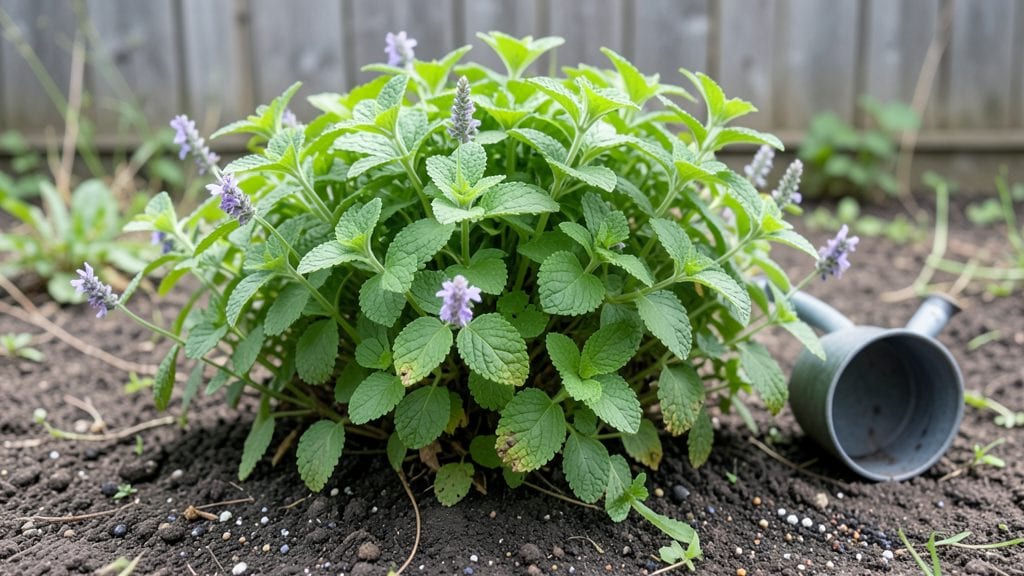
The right mint plant food—like a liquid fertilizer—can turn your struggling herb into a lush, fragrant powerhouse by mid-summer.
Struggling to keep your mint plants lush and bursting with fragrance? The secret isn’t just water—it’s the right liquid fertilizer schedule tailored to mint’s aggressive growth habits.
Mint thrives on a balanced diet, but too much fertilizer can burn its roots or leave you with bitter leaves. Whether you’re using organic options like fish emulsion or a simple NPK blend, timing and strength matter more than you think.
In this guide, I’ll walk you through the best liquid feeds, a season-by-season schedule, and how to spot when your mint is hungry—or overfed.
Best liquid fertilizers for mint plants and how to use them
Mint thrives on fast nutrient absorption, making liquid fertilizers the perfect choice for its aggressive growth. Unlike slow-release granules, liquid feeds dissolve instantly, delivering nitrogen, phosphorus, and potassium directly to roots.
My go-to options include fish emulsion for organic gardeners and balanced NPK solutions for synthetic needs—both packed with the high-nitrogen boost mint craves for lush foliage.
One common mistake? Overdoing it. Mint’s shallow roots can’t handle excess salts, so I always dilute fertilizers to half-strength unless the label specifies otherwise. For example, a 10-10-10 solution becomes 5-5-5 when mixed. This prevents burned leaf edges while still fueling rapid growth.
Organic options like seaweed extract or compost tea add trace minerals that synthetic feeds often lack. I’ve seen mint plants double in size when fed weekly with seaweed extract during summer—just 1 teaspoon per gallon of water. The key is consistency: mint doesn’t tolerate gaps in feeding.
For container-grown mint, I switch to every-other-week feeding in summer because roots have limited soil volume. In-ground plants can handle biweekly applications if the soil is rich. Always water thoroughly before and after applying liquid fertilizer to prevent root burn.
🌱
When choosing a liquid fertilizer, prioritize high-nitrogen options during early growth stages. My peppermint plants shoot up 3 inches per week when fed fish emulsion every 14 days. For spearmint, I switch to a balanced NPK in late summer to encourage flowering without overpowering the leaves.
Timing matters too. Always apply liquid fertilizer in the early morning so roots have 6+ hours to absorb nutrients before evening. Avoid feeding when mint is wilting or flowering—both signs it’s stressed. Instead, focus on watering deeply and resuming feeding once it recovers.
For container mint, I cut feeding in half because roots can’t expand. A 5-gallon pot might only need ½ teaspoon of diluted fertilizer per application. Over-fertilizing here leads to salt buildup, which stunts growth faster than nutrient deficiency.
One pro tip: If your mint’s leaves turn yellow with brown edges, flush the soil with pure water for 2 days to remove excess salts. This reset often brings back vibrant green foliage within a week. Prevention is key—always test soil moisture before feeding.
💧
Step-by-step mint feeding schedule for maximum fragrance and growth
Mint thrives on a consistent feeding schedule that matches its growth cycles. Unlike slow-growing herbs, mint demands regular nutrients to fuel its rapid spread and aromatic leaves.
The key is adjusting your fertilizer type and frequency based on the season—high-nitrogen feeds in spring, balanced feeds in summer, and nothing in winter. Let’s break down the exact month-by-month plan to keep your mint lush and fragrant year-round.
For organic gardeners, I’ll share my go-to DIY fertilizer recipes that deliver results without harsh chemicals. These include compost tea, fish emulsion, and banana peel infusion—all packed with the nutrients mint craves.
Whether you’re using store-bought liquid fertilizers or homemade blends, the timing and type matter more than you might think. Let’s dive into the schedule that’ll transform your mint from lackluster to legendary.
🌱 Step-by-Step Mint Feeding Schedule
- March (Early Spring): Start with a light feed of 10-10-10 NPK or compost tea to wake up roots. Dilute to half-strength to avoid shocking new growth. Focus on nitrogen to encourage leafy shoots.
- April-May (Active Growth): Switch to a high-nitrogen fertilizer (e.g., fish emulsion 5-1-1) every 3-4 weeks. Apply in the morning after watering to prevent leaf burn. For organic options, use banana peel infusion (steep peels in water for 2 weeks).
- June-July (Peak Growth): Use a balanced fertilizer like 6-6-6 NPK or seaweed extract every 4-6 weeks. This supports both foliage and root development. Avoid over-fertilizing—mint can become leggy if overfed.
- August (Late Summer): Reduce feeding to every 6-8 weeks with a low-nitrogen, high-potassium feed (e.g., 5-5-10) to prep for flowering. This prevents bitter flavors in leaves.
- September-October (Fall): Stop fertilizing entirely. Mint slows growth as temps drop. Focus on mulching with compost to protect roots over winter.
- November-February (Winter): No feeding. Mint is dormant. Water sparingly to keep soil slightly moist but not soggy. Prune dead foliage to reduce disease risk.
Pro tip: If your mint starts flowering, it’s time to prune aggressively and switch to a potassium-rich feed to redirect energy back to leaves. Flowering mint loses its aromatic potency, so keep those buds at bay with regular harvesting and the right nutrients.
For container-grown mint, halve the fertilizer amounts to avoid root burn. Since pots dry out faster, always water thoroughly before applying liquid feed. And if your mint looks yellow or stunted, flush the soil with water to remove excess salts from over-fertilization.
Remember, mint’s aggressive growth is a double-edged sword—it needs food to thrive, but too much can harm it. Stick to this schedule, and you’ll enjoy vibrant, fragrant mint all season long. Happy growing! 🌿