
Diseases
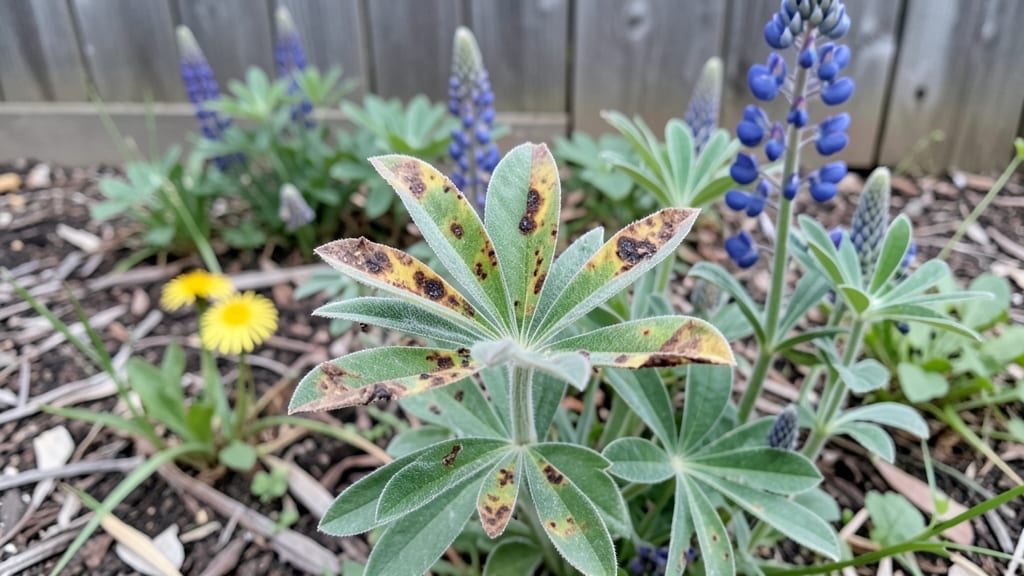
Spotting lupine plant diseases early can mean the difference between a thriving garden and a lost season. ✨ I’ve seen powdery mildew turn vibrant blue lupines into sad, yellowed skeletons in just a few weeks—until I learned the warning signs.
The key is catching problems when leaves first show strange spots or fuzzy coatings, before the whole plant wilts.
Most lupine diseases start with too much moisture or poor airflow between plants. Powdery mildew thrives in humid shade, while bacterial spots spread when rain splashes infected leaves. Nutrient deficiencies often look like diseases—yellowing leaves might mean phosphorus deficiency, not a fungus.
The good news? Many issues can be prevented with proper spacing, watering at the base, and choosing disease-resistant varieties.
Once you spot trouble, act fast. Scrape off mildew with a soft brush, remove infected leaves, and treat with neem oil or copper fungicide. For bacterial spots, prune affected areas and sterilize tools between cuts.
With the right approach, you’ll keep your lupines blooming tall and blue for years—no sad, wilted stalks in sight.
This works for both garden beds and containers, whether you’re growing in full sun or partial shade. The sooner you act, the easier it is to save your plants. Let’s get those lupines looking their best again!
Root Causes Behind Lupine Ailments
Lupine plants, with their striking blooms and nitrogen-fixing superpowers, aren’t immune to trouble. Understanding why these diseases strike is the first step to protecting your garden. Below, we break down the key factors that turn a thriving lupine into a struggling one—so you can tackle the problem at its source.
Fungal diseases like Phytophthora root rot or powdery mildew thrive when conditions favor their growth. These microscopic invaders spread through spores, which latch onto lupine leaves, stems, or roots when:
- Moisture lingers: Fungi love damp environments. Overhead watering, poor drainage, or soggy soil create the perfect breeding ground. Phytophthora, for example, spreads rapidly in waterlogged soil, cutting off oxygen to roots and causing them to rot.
- Temperature swings: Cool, humid nights (50–70°F) paired with warm days create ideal fungal conditions. Powdery mildew, in particular, flourishes when lupines experience stress from temperature fluctuations.
- Weakened plants: Stressed lupines—whether from nutrient deficiencies, overcrowding, or poor soil—have weaker defenses. Fungi exploit these gaps, infiltrating tissues and disrupting photosynthesis.
Actionable fix: Improve airflow with spacing, avoid wetting foliage when watering, and choose resistant lupine varieties if fungal diseases are recurrent in your area.
Bacteria like Xanthomonas or Pseudomonas cause wilting, leaf spots, and stem cankers in lupines. Unlike fungi, bacteria don’t need moisture to survive—they hitch rides on:
- Contaminated tools or hands: Pruners, gloves, or even your fingers can transfer bacterial cells from infected plants to healthy ones. A single cut can introduce bacteria into the plant’s vascular system.
- Insect vectors: Sap-sucking pests like aphids or leafhoppers spread bacterial diseases as they feed. They “spit” bacteria into wounds or open stomata (pores) on leaves.
- Poor sanitation: Old plant debris, mulch, or compost harboring bacterial spores can reinfect new lupine growth. Unlike fungi, bacteria can survive in soil for years.
Actionable fix: Sterilize tools with rubbing alcohol between plants, remove infected foliage immediately, and use row covers to block insect vectors.
Lupines aren’t just battling pathogens—they’re also fighting environmental conditions that make them vulnerable. Key stressors include:
| Stressor | How It Harms Lupines | Disease Risk Increase |
|---|---|---|
| Nutrient deficiencies | Lack of phosphorus or potassium stunts root growth, making plants more susceptible to root rot. | ↑ Phytophthora, Fusarium |
| Overcrowding | Poor airflow traps humidity, promoting fungal spores and bacterial spread. | ↑ Powdery mildew, leaf spots |
| Extreme pH levels | Soil pH < 5.5 or > 7.5 locks out beneficial microbes, weakening lupines’ natural immunity. | ↑ Verticillium wilt, Rhizoctonia |
| Herbicide drift | Chemicals damage cell walls, creating entry points for pathogens. | ↑ Bacterial leaf blight |
Actionable fix: Test soil pH, space plants 12–18 inches apart, and use organic mulch to moderate temperature and moisture.
Pests don’t just eat lupines—they invite diseases by creating wounds. For example:
- Japanese beetles chew irregular holes in leaves, leaving entry points for bacterial infections.
- Aphids excrete honeydew, a sticky substance that fosters sooty mold—a fungal hitchhiker.
- Root-knot nematodes burrow into roots, making lupines more prone to Fusarium or Pythium infections.
Actionable fix: Monitor for pests early, use neem oil as a deterrent, and rotate crops to disrupt nematode life cycles.
By addressing these root causes—whether it’s adjusting your watering habits, improving soil health, or ridding your garden of pests—you’ll give your lupines the best shot at staying disease-free. 🌿
How to solve it
Lupine plants are hardy and stunning, but when diseases strike, quick action can mean the difference between a thriving garden and a sad, wilted loss. Below, we’ve mapped out practical, step-by-step solutions for the most common lupine diseases—plus prevention tips to keep your plants healthy long-term.
Let’s get your lupines back on track!
Cause: Overcrowding, poor airflow, or excess moisture creates the perfect breeding ground for fungi.
How to Fix It: 🔥 Remove Infected Leaves Start by pruning away any leaves or stems showing white powder (powdery mildew) or orange spots (rust). Dispose of them in the trash, not your compost! Fungal spores can linger and reinfect.
🍳 Apply Fungicidal Sprays Use neem oil (1 tsp per quart of water + a drop of dish soap as an emulsifier) or a copper-based fungicide (like Bordeaux mixture). Spray both the tops and undersides of leaves every 7–10 days until symptoms disappear.
👨🍳 Improve Air Circulation Thin out overcrowded plants to allow sunlight and air to flow freely. If growing in containers, space them at least 12 inches apart.
🥘 Adjust Watering Habits Water at the base (not overhead) and early in the day so leaves dry quickly. Avoid soggy soil—lupines prefer well-draining soil with a pH of 6.0–7.0.
⏰ Prevention Tip: 💡 Rotate crops—don’t plant lupines in the same spot year after year. Fungi build up in the soil!
Cause: Bacterial infections thrive in warm, humid conditions and spread through contaminated water or tools.
How to Fix It: 🔥 Prune Infected Areas Immediately Cut off blackened or water-soaked spots with sterilized pruners (wipe with rubbing alcohol between cuts). Remove severely infected plants to prevent spread.
🍳 Use Copper or Hydrogen Peroxide Spray Mix 1 part hydrogen peroxide (3%) with 9 parts water or use a copper fungicide. Spray every 5–7 days for 2–3 weeks.
👨🍳 Sterilize Tools & Hands Always wash hands and disinfect pruners with bleach or alcohol before and after working with plants.
🥘 Avoid Overhead Watering Water only at the base and early in the morning so foliage dries fast. Remove mulch around infected plants to reduce humidity.
⏰ Prevention Tip: 🌡️ Plant in full sun—bacteria struggle in dry, sunny conditions. Space plants for airflow!
Cause: Viruses spread via infected seeds, sap-sucking insects (aphids, beetles), or contaminated tools.
How to Fix It: 🔥 Remove & Destroy Infected Plants There’s no cure for viral infections—dig up and dispose of affected lupines immediately to stop the spread.
🍳 Control Pests Aggressively Spray soapy water (1 tsp mild dish soap per quart of water) on aphids or use neem oil to deter beetles. Ladybugs and lacewings are natural predators—encourage them!
👨🍳 Disinfect Everything Clean tools, gloves, and hands with 70% rubbing alcohol after handling infected plants.
🥘 Use Certified Disease-Free Seeds Buy seeds from reputable suppliers and avoid saving seeds from infected plants.
⏰ Prevention Tip: ✨ Rotate plant families—viruses often target specific plant groups, so avoid planting lupines (Fabaceae family) in the same spot repeatedly.
Even after treating diseases, strengthen your lupines with these pro tips: - Feed with compost or balanced fertilizer (10-10-10) in early spring for resilience. - Mulch lightly (1–2 inches) with straw or pine needles to improve soil health without trapping moisture. - Test soil pH—lupines love slightly acidic to neutral soil (6.0–7.0).
Adjust with lime (to raise pH) or sulfur (to lower it) if needed.
Final Thought: 🎯 Act fast, stay vigilant, and prioritize prevention—your lupines will thank you with vibrant blooms for years! If symptoms persist, consult a local extension service for tailored advice. Happy gardening! 🌸
Frequently asked questions
What are the most common signs of lupine plant diseases?
Look for white powdery coatings (powdery mildew), dark brown spots with yellow halos (bacterial leaf spot), or sudden wilting with blackened stems (fungal root rot). Viral infections often show as distorted leaves or mosaic patterns. Check both leaf undersides and stems—many diseases start there!
Can I save my lupines if they already have fungal diseases?
Yes, but act fast! Prune infected leaves immediately, improve airflow by spacing plants, and apply neem oil or copper fungicide every 7–10 days. For severe cases like root rot, you may need to remove the plant entirely to prevent spread to healthy lupines.
How do I prevent bacterial infections in my lupine plants?
Always sterilize pruners with rubbing alcohol between cuts, avoid overhead watering, and remove infected plants immediately. Use hydrogen peroxide spray (3% solution) weekly during humid weather. Planting in full sun also reduces bacterial survival rates.
Are there lupine varieties that resist diseases better?
Yes! Look for varieties like 'Russell Hybrid' or 'Chandelier' which show better resistance to powdery mildew. For bacterial issues, 'Blue Bonnet' lupines tend to handle humidity better. Check seed catalogs for disease-resistant labels when selecting new plants.
What should I do if my lupines get viral diseases?
Unfortunately, there's no cure for viral infections—remove and destroy affected plants immediately to prevent spread. Use certified disease-free seeds next season and control insect vectors (like aphids) with neem oil or insecticidal soap to reduce transmission risks.