
Companion Plants
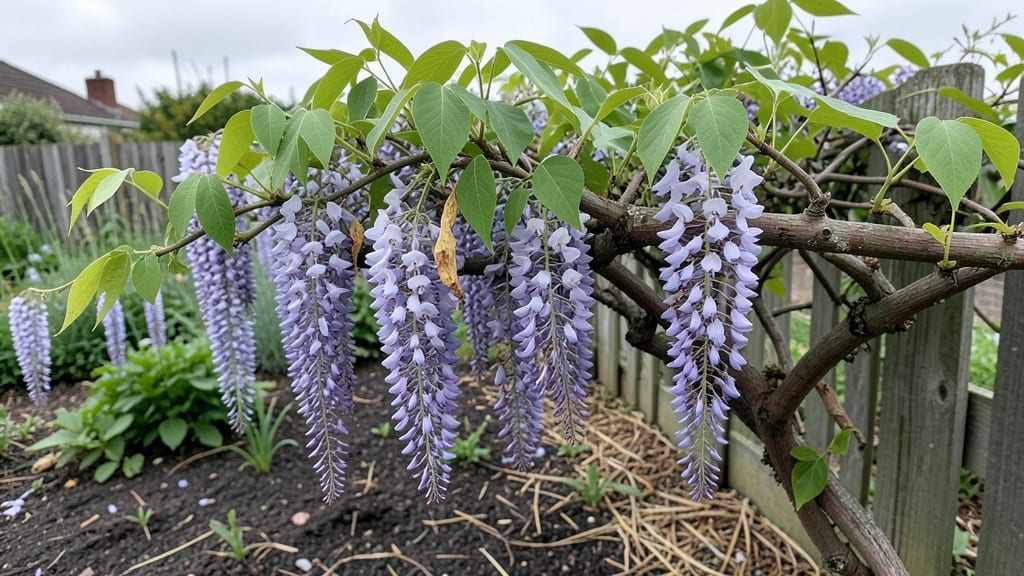
Finding healthy live wisteria plants that’ll transform your garden into a fragrant, climbing masterpiece starts with knowing what to look for. 🌿 I’ve learned the hard way—wilted leaves or brittle stems mean future heartbreak, but the right plant will reward you with decades of blooms and that intoxicating spring perfume.
The secret isn’t just in the purchase; it’s in matching your climate, soil, and sunlight to the plant’s needs from day one.
You’ll need a sunny spot with at least 6 hours of light daily, well-draining soil (wisteria hates soggy roots), and either a sturdy trellis or existing structure for those vines to climb.
Most nurseries carry Chinese or Japanese wisteria—both thrive in Zones 5-9—but Japanese varieties are hardier in colder climates. Skip the big-box store plants; specialty growers understand the long-term commitment these vines demand.
Once planted, patience is key. Your wisteria won’t bloom for 2-3 years, but when it does, the clusters of lavender or white flowers will make every pruning session worth it. The real magic happens in late spring when the scent fills the air—like a secret garden just for you.
Prune aggressively in late winter to shape growth, and you’ll avoid the tangled mess many gardeners face.
Here’s the thing—wisteria isn’t for the faint of heart. It grows fast, spreads aggressively, and requires regular maintenance, but the payoff is unmatched. If you’re ready to commit to a garden centerpiece that’ll outlive you, let’s get those vines growing strong from the start.
📚 In This Guide
- What you need
- Instructions
- Tips and common mistakes
- Wrapping up and next steps
What you need
- ● Live wisteria plants: Choose from Wisteria sinensis (Chinese wisteria) or Wisteria floribunda (Japanese wisteria). Buy from a reputable nursery (1-3 plants for small gardens, 3+ for larger spaces).
- ● Well-draining potting mix: 5-10 gallons (for containers) or amend garden soil with compost (for in-ground planting).
- ● Support structure: For outdoor plants: A sturdy trellis, arbor, or pergola (8-12 feet tall).
- ● For indoor/container plants: A small trellis or decorative lattice (3-6 feet tall).
- ● Mulch: 2-3 inches of organic mulch (e.g., wood chips or shredded bark) to retain moisture.
- ● Garden trowel or shovel: For planting or repotting.
- ● Pruning shears: Sharp, bypass-style shears (for trimming and training vines).
- ● Gloves: Heavy-duty gardening gloves (wisteria thorns can be prickly!).
- ● Watering can or hose: With a gentle spray nozzle for hydration.
- ○ pH test kit (optional): To ensure soil pH is between 6.0-7.0 (slightly acidic to neutral).
- ● Sunlight: Full sun (6+ hours daily) for outdoor plants; bright indirect light for indoor vines.
- ● Climate: Hardy in USDA Zones 5-9 (may need winter protection in colder zones).
- ● Patience: Wisteria grows slowly—expect 3-5 years for full blooms!
- ● Space: Allow 10-15 feet of vertical and horizontal growth space.
- ● Soil prep: Mix in bone meal or composted manure at planting for nutrient-rich soil.
- ● Container care: Use a pot with drainage holes (15+ gallons for mature plants).
- ● Winter prep (cold climates): Wrap young plants in burlap or use frost cloth.
Step-by-Step guide to planting and caring for live wisteria vines
Here’s the proven approach I use to grow thriving, fragrant wisteria that blooms reliably year after year.
🌱 Step 1: Choose the Right Location and Prepare the Soil
Wisteria craves full sun—at least 6 hours daily—and a sturdy support structure like a trellis, arbor, or strong fence. I always plant mine where the vines can climb vertically, as horizontal growth leads to tangled, unruly masses. The soil must drain well; wisteria roots rot quickly in soggy conditions, so amend heavy clay with 2-3 inches of coarse sand or perlite per hole.
Dig a hole twice as wide as the root ball but only as deep as the container it came in. Loosen the roots gently if they’re circling—this prevents girdling as the vine matures. Here’s the thing: wisteria grows aggressively, so space plants 15-20 feet apart if you want separate specimens. If you’re training one vine along a fence, a single plant will cover 20-30 feet in 5-10 years.
🪴 Step 2: Plant and Stake for Support
Position the wisteria so the top of the root ball sits 1 inch below soil level—this encourages strong root establishment. Backfill with the native soil (no fertilizer yet—new roots are sensitive to high nutrients). Press firmly around the base to eliminate air pockets, then water deeply until moisture reaches 12 inches down. You’ll know it’s enough when water pools on the surface but drains within 30 minutes.
Install a 5-foot tall stake or trellis section immediately beside the plant and loosely tie the main stem to it with soft garden twine. Wisteria grows fast, but young stems need guidance to climb properly. Avoid metal ties—they’ll cut into the bark as the vine thickens. I like to use spiral trellis netting for a natural look while keeping the vine organized.
☀️ Step 3: Prune and Train for Healthy Growth
The first year, your focus is establishing roots and structure, not flowers. In late winter or early spring, prune back all stems to 2-3 buds from the base. This might seem drastic, but it forces the plant to send out strong, upright shoots. Remove any crossing or inward-growing branches—wisteria hates competition for sunlight. You’ll see new growth emerge in 4-6 weeks, and these will be your primary framework for future blooms.
As the vine climbs, train it by tying new growth to the trellis every 6-8 inches. This ensures even distribution and prevents weak, sprawling branches. Here’s a pro tip: wisteria blooms on old wood, so avoid heavy pruning after mid-summer. If you cut back flowering stems now, you’ll sacrifice next year’s blossoms. Instead, trim only to shape and remove dead or diseased wood.
💧 Step 4: Water and Fertilize for Maximum Blooms
Water deeply once a week during the first growing season, aiming for 1-2 gallons per plant. After establishment, wisteria is drought-tolerant, but consistent moisture encourages lush foliage and abundant flowers. The key is deep, infrequent watering—light surface watering leads to shallow roots. You’ll know it’s right when the soil 6 inches down stays moist but not soggy.
Fertilize in early spring with a balanced 10-10-10 formula, using ½ pound per 100 square feet of root zone. Avoid high-nitrogen fertilizers—they promote leafy growth at the expense of flowers. I’ve found that composted manure or worm castings work even better for long-term health. Stop fertilizing by mid-summer to let the plant prepare for dormancy.
⏰ Step 5: Winter Care for Next Year’s Blooms
Wisteria is semi-deciduous, meaning it keeps some leaves in mild winters but drops most in cold climates. In USDA Zones 5-7, protect young plants with 4-6 inches of mulch (like shredded bark) around the base. Older vines handle winter well, but new growth is frost-sensitive. If your area gets below 10°F, wrap the trellis in burlap to shield the wood from cracking.
Prune again in late winter (just before buds swell) to remove dead, weak, or crossing stems. This is your chance to shape the vine for next year’s blooms. I like to leave 3-5 strong canes as the main structure—they’ll produce the most flowers. Avoid heavy pruning now, or you’ll delay spring growth. Watch for buds forming along last year’s wood—these are your future blossoms.
Tips & tricks for growing thriving wisteria vines
A few key insights that'll help you cultivate wisteria with fewer headaches and more spectacular blooms.
Soil Preparation Secret: In Step 1, when amending heavy clay with 2-3 inches of coarse sand or perlite, I recommend mixing in a handful of compost as well. This improves moisture retention without suffocating roots. The goal is a soil texture that resembles a well-draining cake batter—light enough to breathe but rich enough to nourish. After planting, I always do a soil test 6 months later to check pH (ideal range is 6.0-7.0). Wisteria roots are sensitive to extreme pH levels, which can stunt growth or prevent flowering.
Training Technique: The 6-8 inch spacing for tying new growth to the trellis in Step 3 is crucial, but here's what nobody tells you: use a zip tie with a slit cut in the middle instead of garden twine. This creates a gentle, adjustable hold that won't damage the bark as the vine thickens. I also recommend installing a secondary trellis wire at 3 feet height—this prevents the vine from becoming top-heavy as it matures. You'll notice the difference in vine stability within the first growing season.
Watering Wisdom: That 30-minute drainage test after deep watering in Step 2 is your best friend. Here's how to take it further: use a moisture meter—insert it 6 inches down (as mentioned) and aim for readings between 40-60%. This range keeps roots hydrated without becoming waterlogged. In hot climates, I increase watering to twice weekly during peak summer months, always delivering the full 1-2 gallons per plant. The key is consistency—wisteria roots establish most deeply during the first two years, and you want them to go deep.
Winter Protection: When wrapping trellises in burlap for temperatures below 10°F in Step 5, I take it one step further by adding a layer of frost cloth over the entire vine structure. This creates a microclimate that can raise temperatures by 5-10 degrees. For container-grown wisteria, move pots to a sheltered location against a south-facing wall. The goal is to protect both the wood and the buds—those future blossoms are already forming by winter! Remember that wisteria's semi-deciduous nature means some leaves will stay green through winter in mild climates, but don't let that fool you into thinking it's fully hardy.
Pro Tips for Live Wisteria Plants
- A few key insights that'll help you cultivate wisteria with fewer headaches and more spectacular blooms.
- Soil Preparation Secret: In Step 1, when amending heavy clay with 2-3 inches of coarse sand or perlite, I recommend mixing in a handful of compost as well.
- Training Technique: The 6-8 inch spacing for tying new growth to the trellis in Step 3 is crucial, but here's what nobody tells you: use a zip tie with a slit cut in the middle instead of garden twine.
Frequently asked questions
Got questions about growing and caring for live wisteria plants? You’re not alone! Here are some of the most common concerns—plus expert answers to help you cultivate stunning, fragrant vines with ease.
When is the best time to plant live wisteria?
The ideal time to plant wisteria is in early spring (after the last frost) or fall (6-8 weeks before the first frost). This gives the roots time to establish before extreme temperatures. If you’re planting in containers, spring is your best bet—wisteria thrives in warmth and needs consistent moisture to root.
How cold can live wisteria tolerate?
Most wisteria varieties (like Wisteria sinensis and Wisteria floribunda) are hardy in USDA Zones 5-9. They can survive brief dips to 0°F (-18°C), but young plants or tender varieties may need winter protection (like mulch or burlap wraps) in colder climates. Pro tip: Prune back dead growth in early spring to encourage new, resilient shoots!
Can I grow live wisteria in a container?
Wisteria adapts well to containers if you choose a large, sturdy pot (at least 15 gallons) with drainage holes. Use a well-draining potting mix and place it in full sun. However, container-grown wisteria may need annual repotting and winter protection in cold zones. Dwarf varieties (like Wisteria brachybotrys) are great for smaller spaces!
Why isn’t my wisteria flowering?
Wisteria often takes 3-5 years to bloom, but if it’s mature and still not flowering, check these fixes:
- Sunlight: Ensure it gets 6+ hours of direct sun daily—partial shade can delay blooms.
- Pruning: Over-pruning (especially in late winter) can remove next year’s flower buds. Prune after flowering to shape.
- Nutrients: Feed with a balanced fertilizer (10-10-10) in early spring and fall.
- Patience: Some varieties (like Wisteria frutescens) bloom earlier—check your plant’s specifics!
What’s the best support structure for wisteria?
Wisteria is a climbing powerhouse and needs a sturdy support system. Options include:
- Arbors/trellises: Ideal for vertical growth (choose one at least 8-10 feet tall).
- Pergoalas: A mix of pergola and trellis for a romantic, shaded area.
- Fences or walls: Use soft ties or spiral wire to guide vines—never nails or harsh materials.
- Avoid trees: Wisteria can strangle tree bark over time.
Wrapping up and next steps
Transforming your space with live wisteria plants is a rewarding journey that brings year-round beauty, fragrance, and charm. Whether you're a seasoned gardener or a beginner, these versatile vines offer endless creative possibilities—from trellises to pergolas, their cascading blooms will elevate any outdoor (or indoor!) setting. 🌸✨
Ready to take the next step? Start by selecting the perfect variety for your climate, gather your supplies, and dive into planting or pruning with confidence. Your fragrant oasis awaits—what will you create first?