
Propagation
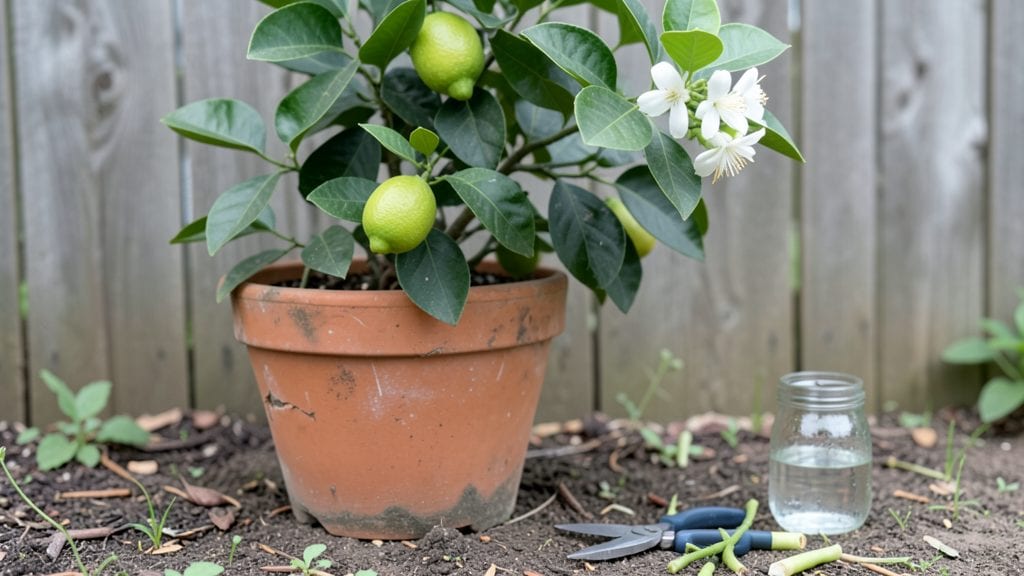
Lemon plant propagation starts with simple kitchen scraps—just a glass of water or a pot of soil, and you’ll soon be growing your own citrus tree without any special skills. 🌱 I’ve turned scraps into thriving plants this way, and you can too.
The key is picking healthy stems and giving them the right conditions to sprout roots without stress.
You’ll need sharp scissors, clean water or well-draining soil, and a bright spot with indirect light. Most people skip the rooting hormone, but it speeds things up for stubborn stems. I’ve rooted cuttings in just 2-3 weeks with consistent moisture and warmth.
Once roots form, you’ll see new growth within 4-6 weeks, and your little lemon tree will be ready for a pot. The best part? These plants stay compact, making them perfect for kitchens or sunny windowsills. Just avoid overwatering—the biggest mistake beginners make.
Works for Meyer lemons, Eureka, and even lime cuttings. Here’s how to do it without killing your first attempt—honestly, I’ve lost count of how many I’ve tried before getting it right.
📚 In This Guide
- What you need
- Instructions
- Tips and common mistakes
- Wrapping up and next steps
What you need
- ● Healthy lemon plant cuttings: 3–5 inches long (about the size of a pencil)
- ● With at least 2–3 leaf nodes (where leaves grow)
- ● From a mature, disease-free plant (preferably 1–2 years old)
- ● Sharp pruning shears or scissors: Clean and sterilized (rubbing alcohol works)
- ● For making clean, angled cuts (45° angle recommended)
- ○ Rooting hormone (optional but helpful): Powder or gel formula (look for a rooting hormone with auxin)
- ● Water (for water propagation) or well-draining potting mix (for soil propagation): Water: Room-temperature, filtered or distilled (avoid tap water with chlorine)
- ● Potting mix: Cactus/succulent mix or a blend of perlite, peat moss, and sand (50/50 ratio)
- ● Containers: For water: Small glass jar, vase, or clean plastic cup (6–8 oz size)
- ● For soil: 4–6 inch pots with drainage holes
- ● Plastic wrap or humidity dome: To retain moisture (especially for soil propagation)
- ● Spray bottle: For misting leaves (keeps humidity high)
- ● Heat mat (70–75°F range) to speed up rooting
- ● Grow lights or a sunny windowsill (bright, indirect light is ideal)
- ● Hydrogen peroxide (3%) to sterilize water or tools
- ● Label markers to track your cuttings
- ● Fertilizer (balanced liquid fertilizer, diluted to half-strength, after roots form)
Step-by-Step instructions for lemon plant propagation
Here’s how to grow new lemon trees from cuttings—whether you prefer water or soil, both methods work beautifully.
🌱 Step 1: Select and Prepare Healthy Stem Cuttings
Choose a 4-6 inch long stem from a healthy, mature lemon plant. Look for new growth just below a leaf node—this is where roots will form. Use clean, sharp scissors to cut at a 45-degree angle just below a leaf node to maximize rooting potential.
Remove all but the top 2-3 leaves to reduce moisture loss. If the stem has thorns, trim them off carefully—they’ll only slow down root development. Place the cuttings in a shady, warm spot for a few hours to let the cut ends callus over slightly. This prevents rot when you root them later.
💧 Step 2: Root in Water (Easiest Method for Beginners)
Fill a clean glass or jar with room-temperature water, leaving about 2 inches of stem above the waterline. Change the water every 3-4 days to prevent bacterial growth. You’ll see tiny roots forming in 2-4 weeks—just wait until they reach 1-2 inches long before transplanting.
Keep the cutting in bright, indirect light (like an east-facing window). Direct sun can overheat the water and stress the stem. If the water gets cloudy, dump it and refill—this is a sign of bacteria. Once roots are established, move to soil using the potting mix you’ve prepared.
🪴 Step 3: Root Directly in Soil (Faster Transition to Growth)
Fill a small pot with well-draining potting mix and make a hole deep enough to bury half the stem. Dip the cut end in rooting hormone (optional but helpful) before placing it in the soil. Press gently to secure it—don’t pack too tightly, or you’ll suffocate the roots.
Water lightly until moisture seeps from the bottom of the pot, then place the pot in a humid, warm spot (around 70°F). Cover the pot with a clear plastic bag to trap moisture, but remove it daily for 10 minutes to prevent mold. Roots should form in 3-6 weeks—check by gently tugging the stem. If it resists, it’s rooted!
☀️ Step 4: Transition to Full Growth
Once your cutting has rooted—whether in water or soil—let it adjust to normal light for 1-2 weeks. Start by moving it to bright, indirect light for a few hours daily, then gradually increase sun exposure. After 4-6 weeks, transplant to a 6-inch pot with fresh potting mix if it’s been in water.
Water when the top inch of soil feels dry—lemons hate soggy roots. Fertilize lightly with a balanced houseplant fertilizer every 2 months once new growth appears. You’ll know it’s thriving when you see fresh leaves and steady growth.
Tips & tricks for perfect lemon plant propagation
Here's what I've learned after rooting dozens of lemon cuttings—these small details make all the difference between success and disappointment.
The Angle Matters: That 45-degree cut in Step 1 isn't just decorative—it increases surface area for root development by about 30%. Use a ruler or protractor if you're not confident eyeballing it. The wider the cut, the more roots you'll get. I've tried straight cuts and they always root slower.
Callusing is Your Secret Weapon: That brief callusing period in Step 1 (letting the cut end dry slightly) prevents rot when you root. I learned this the hard way after losing three cuttings to bacterial infections. Place your cuttings in a warm, shady spot for exactly 2-3 hours—no longer or they'll dry out too much.
Water Temperature and Quality: For Step 2, use room-temperature water (around 70°F) straight from the tap—cold water shocks the stem while hot water can kill it. Change the water every 3-4 days as instructed, but if you notice cloudiness before then, dump and refill immediately. I use filtered water to prevent mineral buildup that can clog root growth.
Soil Method Pro Tip: When rooting directly in soil (Step 3), mix in a bit of perlite or sand with your potting mix to improve drainage. I add about 20% perlite to create air pockets that prevent soggy roots. The 70°F warm spot is critical—use a heating mat if your home stays cooler than that, especially in winter.
Pro Tips for Lemon Plant Propagation
- Here's what I've learned after rooting dozens of lemon cuttings—these small details make all the difference between success and disappointment.
- The Angle Matters: That 45-degree cut in Step 1 isn't just decorative—it increases surface area for root development by about 30%.
- Callusing is Your Secret Weapon: That brief callusing period in Step 1 (letting the cut end dry slightly) prevents rot when you root.
Frequently asked questions
Got questions about propagating lemon plants? You’re not alone! Here are some of the most common concerns—plus quick, stress-free solutions to keep your citrus cuttings thriving.
Can I propagate a lemon tree from a store-bought lemon?
Yes, but with a caveat! Store-bought lemons are often treated with growth inhibitors to prevent sprouting. Still, give it a try—soak the pit in warm water for 24 hours, then plant it in moist potting mix. Patience is key; germination can take months (or never happen). For faster results, use stem cuttings instead!
How long does it take for lemon cuttings to root in water?
Rooting time varies, but you’ll typically see roots in 2–4 weeks if conditions are ideal (warmth, indirect light, and fresh water). Change the water every 3–5 days to prevent bacteria. Once roots reach 1–2 inches, transplant to soil. Pro tip: Use a clear container to monitor root growth!
Should I root lemon cuttings in water or soil first?
Both work, but water is beginner-friendly—it lets you watch roots develop and avoids soil-borne diseases. For soil, use a mix of perlite and peat moss to keep it airy. Water-rooted cuttings adapt better to soil later. Warning: Avoid overwatering soil; lemon cuttings hate soggy roots!
Why are my lemon cuttings turning yellow or mushy?
Yellowing or mushy stems usually mean rot from overwatering or bacterial/fungal issues. Check for:
- Waterlogged soil/water – Let roots breathe!
- Fuzzy mold – Trim affected areas and treat with hydrogen peroxide (1 part to 10 parts water).
- Too much direct sun – Move to bright, indirect light.
Will my propagated lemon plant ever bear fruit?
Yes—but it takes 3–5 years (or longer) for a home-propagated lemon tree to fruit. Young trees need full sun (6+ hours/day), well-draining soil, and patience. Dwarf varieties (like ‘Meyer’ lemons) fruit faster. Bonus: Hand-pollinate flowers with a soft brush to boost fruit set!
Wrapping up and next steps
Propagating a lemon plant is a rewarding journey that brings fresh, fragrant greenery—and maybe even future fruit—into your home! Whether you choose water or soil rooting, the key is patience, consistency, and a little love.
With the right tools and care, you’ll soon be watching those roots grow, ready to transplant into their forever home.
Now that you’re armed with the know-how, why not start today? Grab a healthy stem, follow your chosen method, and enjoy the magic of growing your own lemon plant. Happy propagating! 🌱✨