
Companion Plants
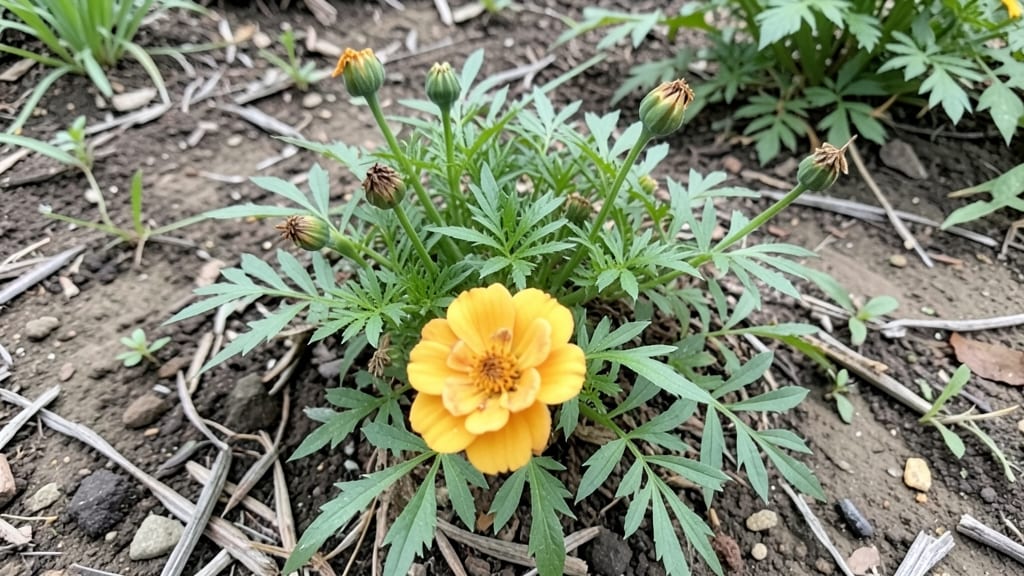
Lemon marigold plants (Tagetes lemonii) smell like sunshine and citrus, and they’re the secret weapon for gardens that attract pollinators while keeping pests at bay. 🌼 The moment you crush a leaf, that bright, zesty aroma draws bees and butterflies while repelling nematodes and whiteflies—nature’s pest control in a fragrant package.
These sun-hungry annuals thrive in well-draining soil with just 6-8 hours of sunlight daily, making them perfect for borders, containers, or even window boxes. Start seeds indoors 8-10 weeks before your last frost, or plant transplants after all danger of frost has passed.
The key is spacing them 12-18 inches apart—too close, and they’ll compete for nutrients.
You’ll know you’re doing it right when they burst into bright yellow blooms by midsummer, their citrusy scent stronger than any store-bought repellent. Deadhead spent flowers to encourage nonstop blooming, and watch your garden become a buzzing, pest-free paradise. These plants even tolerate drought once established.
Bonus: They’re frost-sensitive, so pull them before temperatures dip below 30°F, or grow them as annuals in cooler climates. Pair them with tomatoes, peppers, or roses—they’ll reward you with healthier plants and fewer pests all season long.
📚 In This Guide
- What you need
- Instructions
- Tips and common mistakes
- Wrapping up and next steps
What you need
- ● Lemon marigold seeds – 10–20 seeds per plant (or 1 packet for multiple plants). Look for Tagetes lemmonii for the true lemon scent!
- ○ Seedlings (optional) – 3–5 healthy starts from a nursery (skip the seed-starting hassle!).
- ● Well-draining potting mix – 5–10 gallons, depending on container size (or amend garden soil with compost).
- ● Containers (if not planting in-ground) – 5–7" diameter pots with drainage holes (or a raised bed for multiple plants).
- ● Compost or organic fertilizer – 1–2 cups per plant (balanced 10-10-10 or slow-release granules).
- ● Mulch – Straw or shredded leaves (1–2 inches) to retain moisture and suppress weeds.
- ● Garden trowel or small hand shovel
- ● Pruners (for trimming dead blooms or leggy stems)
- ● Watering can or hose with a gentle spray nozzle
- ○ Gloves (optional but recommended—those tiny leaves can be prickly!)
- ● Measuring tape or ruler (for spacing plants 12–18" apart)
- ● Full sun – At least 6–8 hours of direct sunlight daily (they’ll sulk in shade!).
- ● Warm soil – Wait until after the last frost (soil temp should be at least 60°F).
- ● Drainage – Lemon marigolds hate soggy roots. Avoid heavy clay soil unless amended.
- ● Patience – Seeds take 10–14 days to germinate (or 6–8 weeks for full bloom!).
How to grow lemon marigold plants for a vibrant, pest-resistant garden
These cheerful, citrus-scented blooms thrive with minimal fuss—here's how to coax their bright faces into your sunny borders.
🌱 Step 1: Choose the Perfect Planting Location
Lemon marigolds demand full sun—at least 6-8 hours daily—to produce their signature golden-yellow flowers. I always scout spots with southern or western exposure first, as morning sun alone won't cut it. Test your site by observing where sunlight lingers longest during the day.
These plants hate soggy feet, so avoid low-lying areas where water pools. If your soil drains poorly, amend with 1-2 inches of compost mixed into the top 6 inches of soil. The roots need oxygen as much as they need moisture, and heavy clay will smother them.
☀️ Step 2: Plant at the Right Time and Depth
Wait until after your last frost date when soil temperatures reach 55°F or warmer. Cold soil delays germination and weakens seedlings. Plant seeds ¼ inch deep—any deeper and they'll struggle to push through the soil surface. Space them 12-18 inches apart in rows 18-24 inches apart to allow airflow.
If starting from transplants, dig holes just slightly deeper than the root ball but no wider. Gently tease apart crowded roots before placing them in the hole. Press soil firmly around the base to eliminate air pockets, then water deeply to settle everything. You'll know you've done it right when the soil surface looks slightly compacted but not rock-hard.
💧 Step 3: Water Consistently Without Overdoing It
Keep soil evenly moist during the first 2-3 weeks after planting—enough so the top 1-2 inches feel damp to the touch. Use a hose with a gentle spray nozzle or watering can to avoid disturbing the soil surface. Lemon marigolds are drought-tolerant once established, but young plants need steady moisture.
Here's the thing—these plants despise wet foliage. Water at the base in the morning so leaves have all day to dry. If you notice yellowing leaves, it's often a sign of overwatering or poor drainage. Let the soil dry out slightly between waterings once the plants are 4-6 weeks old.
✂️ Step 4: Deadhead and Maintain for Continuous Blooms
Pinch off spent blooms regularly to encourage more flowers. I use my thumb and forefinger to gently squeeze the stem just below the flower head—no need for shears. This practice redirects the plant's energy from seed production to creating new buds. You'll see a surge of fresh blooms within 7-10 days of consistent deadheading.
Cut back leggy stems to 6 inches tall in early summer to promote bushier growth. This is especially helpful if your plants start looking sparse or top-heavy. Fertilize lightly with a balanced 10-10-10 formula every 4-6 weeks during the growing season, but hold off after mid-summer to prevent tender new growth before frost.
🪴 Step 5: Overwinter for Next Season's Display
Lemon marigolds are annuals, but you can extend their life by cutting back stems to 2 inches tall after the first frost. Mulch heavily with 2-3 inches of straw or shredded leaves to insulate roots. In mild climates, they may resprout in spring—just remove dead foliage and water lightly to encourage regrowth.
For a head start next season, collect seeds from dried flower heads. Let them fully mature on the plant, then twist them to release the seeds into a paper bag. Store in a cool, dry place until spring planting. These seeds retain viability for 2-3 years, so you'll have plenty for future gardens.
Tips & tricks for perfect lemon marigold growth
Lemon marigolds reward patience with vibrant blooms that deter pests—here's how to maximize their potential.
Sunlight Strategy: The 6-8 hours of full sun in Step 1 is non-negotiable for those signature golden blooms. I've found that southern-facing garden beds get the most consistent sunlight, but if your space only offers partial sun, prioritize western exposure—it delivers the intense afternoon rays these plants crave. For container growing, place pots where they'll receive direct sun for at least half the day, rotating them occasionally for even exposure.
Soil Prep Secret: When amending heavy clay soil as mentioned in Step 1, mix in 1 part perlite to every 3 parts compost to improve drainage while retaining moisture. I've seen marigolds thrive in amended clay that would otherwise suffocate their roots. The key is creating that airy, oxygen-rich environment—the roots will thank you with vigorous growth. For sandy soils, add extra compost to help retain moisture during dry spells.
Planting Precision: The ¼ inch depth for seeds in Step 2 might seem shallow, but it's crucial—they need that proximity to sunlight to germinate. I've had better success using a toothpick to create precise planting holes rather than pressing seeds too firmly into the soil. For transplants, that slightly deeper hole than the root ball creates a natural "well" that helps settle soil around delicate roots, preventing air pockets that could strangle new growth.
Watering Wisdom: Those first 2-3 weeks of consistent moisture in Step 3 are critical for establishing strong root systems. I've found that watering in the morning gives foliage plenty of time to dry before evening, reducing fungal risks. For containers, I check moisture by lifting the pot—if it feels light, it's time to water. Once established, let the top 1-2 inches dry between waterings, but don't let the soil become bone-dry, especially during flowering when plants need steady hydration.
Pro Tips for Lemon Marigold Plants
- Lemon marigolds reward patience with vibrant blooms that deter pests—here's how to maximize their potential.
- Sunlight Strategy: The 6-8 hours of full sun in Step 1 is non-negotiable for those signature golden blooms.
- Soil Prep Secret: When amending heavy clay soil as mentioned in Step 1, mix in 1 part perlite to every 3 parts compost to improve drainage while retaining moisture.
Frequently asked questions
Got questions about growing lemon marigold plants? You’re not alone! Here are some of the most common queries—plus quick answers to help you cultivate these vibrant, pest-repelling stars with confidence.
How fast do lemon marigolds grow, and when can I expect flowers?
Lemon marigolds are fast growers—typically reaching 1–2 feet tall in 4–6 weeks from seed! You’ll spot those signature golden-yellow blooms in as little as 6–8 weeks after planting, especially if you start seeds indoors 4–6 weeks before the last frost. For a continuous display, deadhead spent flowers (remove faded blooms) to encourage nonstop blooming through fall.
Do lemon marigolds attract bees and butterflies, or are they better for repelling pests?
Here’s the best of both worlds! Lemon marigolds are double-duty pollinator magnets—they lure bees, butterflies, and hoverflies while simultaneously repelling harmful pests like aphids, nematodes, and even rabbits. Their strong scent confuses pests, but their bright blooms and nectar make them a bee-friendly superstar. Plant them near veggies (tomatoes, peppers, or herbs) for maximum benefits!
Can lemon marigolds survive winter, or do I need to replant them every year?
Unfortunately, lemon marigolds are annuals in most climates, meaning they’ll die back with the first frost. However, they’re so easy to grow from seed that you can sow new seeds every spring for year-round color and pest control. In USDA Zones 9–11, they may self-seed or return if protected by mulch. Save seeds from your healthiest plants for next year’s garden!
What can I plant alongside lemon marigolds for a pest-free, high-yield garden?
Lemon marigolds play beautifully with these companions:
- Vegetables: Tomatoes, peppers, cucumbers, and squash (they deter pests like spider mites).
- Herbs: Basil, parsley, and thyme (marigolds boost flavor and growth).
- Flowers: Nasturtiums (repel aphids) or borage (attracts pollinators).
- Avoid: Potatoes (marigolds may stunt their growth).
For a low-maintenance power trio, try marigolds + basil + tomatoes in containers or garden beds!
Why are my lemon marigold leaves turning yellow or brown?
Yellowing leaves often signal overwatering or fungal issues. Here’s how to troubleshoot:
- Yellow leaves + soggy soil: Cut back on watering—marigolds prefer well-draining soil and hate “wet feet.”
- Brown spots or powdery mildew: Improve airflow (space plants 8–12 inches apart) and spray with a neem oil solution (1 tsp neem oil + 1 quart water).
- Leggy or weak stems: They’re craving more sunlight—move to a sunnier spot (6+ hours daily).
With proper care, your marigolds should bounce back in no time!
Wrapping up and next steps
Growing lemon marigold plants is a game-changer for any garden—whether you’re chasing pollinators, warding off pests, or simply craving vibrant blooms with a zesty twist. 🌼 These sun-loving superstars are low-maintenance, hardy, and packed with benefits that’ll make your green space thrive.
Now that you’re armed with the know-how, why not plant a few this season? Start small with a single pot or dedicate a sunny corner to a full border—your garden (and local bees!) will thank you.
Next step: Grab your seeds or seedlings, pick a sunny spot, and let the magic unfold. Happy gardening! 🌱