
Diseases
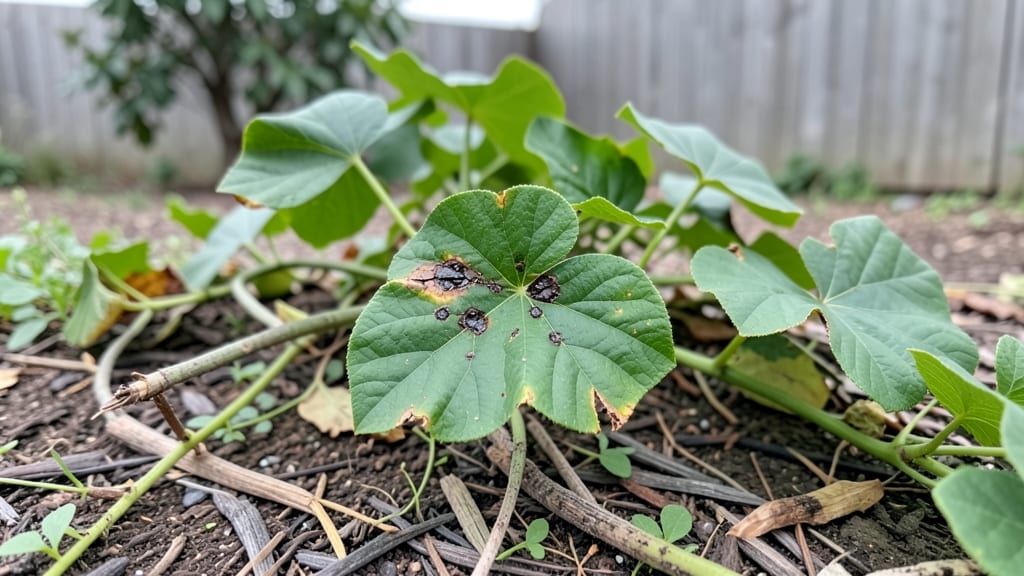
When the kiwi plant suffers from diseases—yellow leaves, oozing cankers, or mushy roots—it’s usually one of three sneaky culprits that can derail your harvest. 🌿 I’ve seen bacterial canker turn healthy vines into a skeleton act in just weeks, and powdery mildew... rob kiwis of their sweetness by choking the fruit.
The good news? Most of these problems have simple fixes once you know what to look for.
Start by inspecting your vine’s trouble spots: dark, sunken patches on branches mean bacterial canker, while white powder on leaves signals mildew. Root rot hides underground but gives away its presence with wilted foliage and a foul smell when you dig.
The key to stopping these diseases is acting fast—prune infected branches, adjust watering, and apply the right treatment before they spread.
📚 In This Guide
- What you need
- Instructions
- Tips and common mistakes
- Wrapping up and next steps
What you need
- ● Gloves (nitrile or rubber, 2 pairs) – Protect your hands from sap, soil, and pathogens.
- ● Pruning shears (sterilized, sharp) – For removing infected leaves, vines, or fruit.
- ● Spray bottle (16–32 oz) – For applying fungicides or homemade remedies.
- ● Garden hose with nozzle – For thorough cleaning and rinsing.
- ● pH test kit – To check soil acidity (ideal range: 6.0–6.5 for kiwis).
- ● Thermometer (soil and air) – Monitor temperature extremes that stress plants.
- ● Labeling tags – Mark treated vs. untreated plants for tracking.
- ● Magnifying glass (10x) – Spot early signs of powdery mildew, rust, or bacterial spots.
- ● Petri dish or ziplock bag – Collect leaf samples for lab testing (if needed).
- ● Fungicide (copper-based or sulfur-based, 1–2 gallons) – For severe infections like Botrytis or Phytophthora.
- ● Bacterial spray (e.g., Copper fungicide) – Targets Pseudomonas or Erwinia.
- ● Compost or mulch (sterilized, 2–3 cubic feet) – Improves drainage and reduces soilborne pathogens.
- ● Disinfectant (70% isopropyl alcohol or bleach solution) – Sterilize tools between cuts.
- ● UV flashlight – Detects fungal spores in dark conditions.
- ● Plant growth regulator – Reduces stress-related susceptibility.
- ● Neem oil (1% solution) – Natural preventive for mild fungal issues.
- ● Soil solarizer – Kills pathogens in heavy-infested soil (if replanting).
Instructions for diagnosing and treating kiwi plant diseases
Here's how to spot, stop, and prevent the most common kiwi plant diseases before they cripple your vines.
🌿 Step 1: Inspect Leaves and Vines for Early Signs
Start by examining the undersides of leaves first—this is where fungal spores often hide. Look for yellowing patches that spread quickly, or black spots with fuzzy edges (a dead giveaway for anthracnose). Run your fingers along the vines too; sticky residue suggests bacterial infection like bacterial canker.
Check the soil line around the base of the plant for dark, sunken lesions—this signals root rot. I always inspect after rain or heavy watering, since moisture triggers most kiwi diseases. If you see white powdery buildup, that’s powdery mildew, which thrives in humid conditions.
💧 Step 2: Adjust Watering and Airflow Immediately
Most kiwi diseases spread through excess moisture, so the first fix is often the simplest: water at the base (never overhead) and space vines 6-8 feet apart for airflow. I’ve seen powdery mildew vanish within a week just by pruning crowded branches and watering in the morning instead of evening.
If you spot leaf spots or rot, stop watering until the leaves dry completely. Use a moisture meter to check soil—kiwi plants prefer soil that’s damp but not soggy. Mulch with 2-3 inches of organic material (like straw) to keep roots cool and reduce splashing water that spreads spores.
✂️ Step 3: Prune Infected Areas and Sterilize Tools
Snip off any leaves with spots, lesions, or mold using clean, sharp pruners—dip them in 70% rubbing alcohol between cuts to prevent cross-contamination. I always remove at least 6 inches below the infected area to ensure the disease doesn’t linger in the plant.
Don’t toss pruned material in your compost—bag it and dispose of it in the trash. Kiwi plants are heavy feeders, but diseased foliage will reintroduce pathogens. After pruning, wash your hands and disinfect tools again to avoid spreading spores to other plants.
🌱 Step 4: Apply Fungicide or Bacterial Spray as Needed
For fungal diseases like anthracnose or powdery mildew, spray with a copper-based fungicide (like copper sulfate) every 7-10 days until new growth appears. I mix it with 1 tablespoon of baking soda per gallon of water for extra prevention—it’s a cheap, organic boost that works surprisingly well.
If you suspect bacterial canker, switch to a fixed-copper bactericide and remove all infected canes—bacterial diseases often can’t be cured, only contained. Always apply sprays early in the morning so the leaves have time to dry, which reduces humidity and slows disease spread.
☀️ Step 5: Strengthen the Plant’s Defense Year-Round
Kiwi vines need 6-8 hours of sunlight daily to build strong, disease-resistant foliage. I’ve found that balanced fertilization (with 10-10-10 NPK ratio) in early spring helps vines recover faster from stress. Avoid over-fertilizing with nitrogen—it promotes lush, disease-prone growth.
In late summer, reduce watering slightly to harden off the plant before winter. Healthy kiwi vines with thick stems and glossy leaves resist diseases far better than stressed ones. I also rotate crops if growing in containers—never replant kiwi in the same soil without sterilizing it first.
Tips & tricks for diagnosing and treating kiwi plant diseases
These practical tips will help you spot diseases early and give your kiwi vines the best chance at recovery.
Timing is Everything: In Step 1, inspect your kiwi plants after rain or heavy watering—this is when fungal spores become most active. I check mine every 2-3 days during wet seasons, focusing on the undersides of leaves where spores hide. The earlier you catch signs like yellowing patches or powdery buildup, the easier they are to treat.
Prevention Starts with Pruning: When you prune in Step 3, don't just remove infected areas—also trim back healthy leaves touching infected ones. I've seen diseases spread through sap when pruning tools brush against healthy vines. Sterilize tools between cuts with 70% rubbing alcohol, and always prune during dry weather to prevent spores from spreading through moisture.
Spray Strategy: For Step 4, apply fungicides or bactericides early in the morning when humidity is high but before dew dries. This gives the solution time to adhere properly. I've found that adding 1 tablespoon of baking soda per gallon of water to copper sprays creates a natural buffer that extends protection between applications. Reapply every 7-10 days until you see new growth—consistency is key with fungal treatments.
Soil Savvy: In Step 5, remember that kiwi plants need well-draining soil to prevent root rot. If you notice dark, sunken lesions at the soil line, amend your soil with compost or perlite to improve drainage. I also recommend testing soil pH—kiwi plants prefer slightly acidic soil (pH 5.5-6.5)—which helps prevent bacterial infections that thrive in alkaline conditions.
Pro Tips for Kiwi Plant Diseases
- These practical tips will help you spot diseases early and give your kiwi vines the best chance at recovery.
- Timing is Everything: In Step 1, inspect your kiwi plants after rain or heavy watering—this is when fungal spores become most active.
- Prevention Starts with Pruning: When you prune in Step 3, don't just remove infected areas—also trim back healthy leaves touching infected ones.
Frequently asked questions
about kiwi plant diseases—because even the hardiest gardeners need a little clarity! Here are answers to the most common concerns to keep your vines thriving.What are the most common signs of disease in kiwi plants?
Look for yellowing or curling leaves, black spots or lesions on foliage, cankers on stems, and rotting fruit. Fungal diseases often show as powdery coatings or mold, while bacterial infections may cause oozing sores. Act fast—early detection saves your harvest!
When is the best time to treat kiwi plant diseases?
Treat at the first sign of symptoms, but preventive care is key! Apply fungicides or copper-based sprays before flowering (spring) and after harvest (fall). Rainy seasons? Increase frequency—fungi love moisture. Pro tip: Morning applications let treatments dry before evening dew.
Are there natural remedies for kiwi plant diseases?
Yes! Try a baking soda spray (1 tsp baking soda + 1 quart water + a drop of dish soap) for fungal issues like powdery mildew. For bacterial spots, neem oil or copper soap can help. Prune infected areas immediately and sterilize tools with rubbing alcohol to prevent spread.
Can diseased kiwi fruit still be eaten if the plant is treated?
If the fruit itself shows no rot or mold, it’s usually safe to eat after washing thoroughly. However, discard any fruit with visible lesions or soft spots—they may harbor harmful bacteria. Focus on preventing future issues by improving airflow and avoiding overhead watering.
How do I prevent kiwi plant diseases in humid climates?
Humidity is a fungus’s best friend! Space plants 6–10 feet apart for airflow, water at the base (never leaves), and mulch around the base to reduce soil splashing. Resistant varieties (like ‘Issai’ kiwi) and regular pruning also help. Consider a fan for shade cloth in hot, damp areas.
Wrapping up and next steps
Protecting your kiwi plants from diseases doesn’t have to be overwhelming—just stay vigilant, act fast, and prioritize prevention. 🌱 By recognizing early signs like leaf spots, wilting, or unusual discoloration, and using organic or chemical treatments wisely, you’ll keep your vines thriving. Your next step? Bookmark this guide, schedule regular inspections, and share these tips with fellow gardeners to create a healthier growing community!