
Diseases
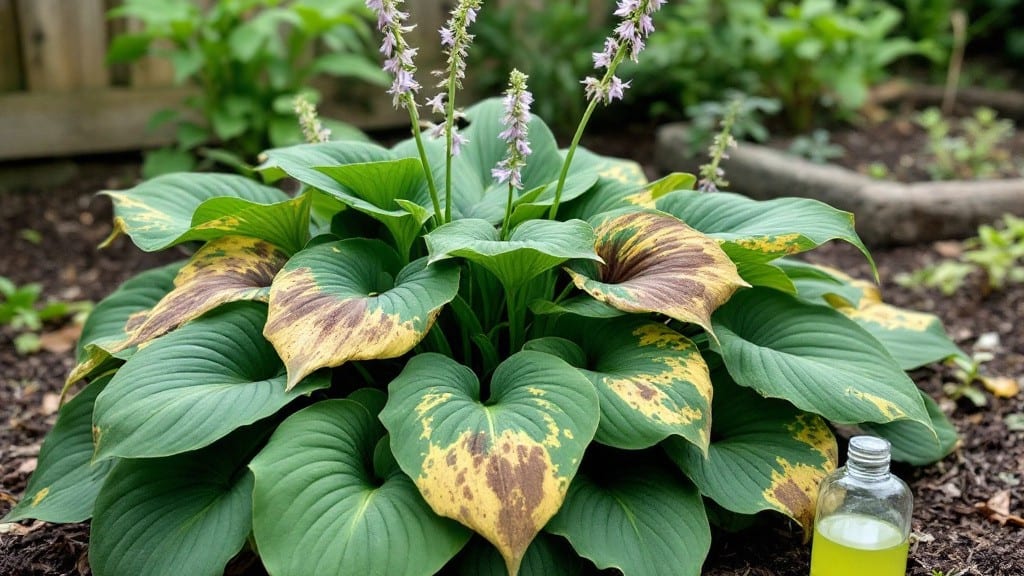
Hosta plant diseases like leaf spot and crown rot can turn your lush foliage into a sad, spotted mess—unless you catch them early. 🌿 I’ve seen healthy hostas go from vibrant green to brown and wilted in just a few weeks, and the key to saving them is knowing what to watch for and how to act fast.
The worst offenders are fungal infections, which thrive in damp, shady conditions—exactly where hostas love to grow. You’ll spot them as dark spots with yellow halos on leaves or mushy, discolored stems at the base.
The good news? Most fungal issues respond well to organic treatments like neem oil or copper fungicide when caught early.
With the right prevention—proper spacing, good airflow, and avoiding overhead watering—you can keep your hostas thriving for years. I’ve had my own plants stay disease-free for seasons just by adjusting a few simple habits, and you can too.
Once you recognize the early signs, treatment becomes straightforward. The goal is to stop the spread before it ruins your entire planting, and I’ll walk you through the exact steps to do that—no guesswork, just results.
Root Causes of Hosta Troubles
Hostas are resilient plants, but when diseases strike, they often do so because of a few key factors—some natural, some human-made. Understanding these triggers is the first step to protecting your leafy greens. Let’s break down the science behind why hosta plants fall prey to fungal and bacterial infections.
Fungi thrive in excess moisture, and hostas—with their broad, lush leaves—are prime targets. When humidity lingers or water pools around the base, spores germinate and spread rapidly.
- Why it happens: - Fungal pathogens like Fusarium and Phytophthora require free water to infect plant tissues.
Even light rain or overhead watering can create the perfect breeding ground. - Poor drainage in the soil keeps roots saturated, weakening the plant’s defenses. - Thick foliage traps moisture, preventing airflow and encouraging fungal growth.
- Actionable fix:
- Space plants 12–18 inches apart to improve air circulation.
- Water at the base (not overhead) and early in the day so leaves dry quickly.
- Amend soil with organic matter (like compost) to enhance drainage.
Many hosta diseases, such as leaf spot and rust, are caused by airborne spores that land on leaves and stems. These spores can survive in soil, mulch, or even on garden tools for years.
- Why it happens:
- Wind and rain spread spores from infected plants to healthy ones.
- Contaminated tools or soil (from previous infected plants) reintroduce pathogens.
- Warm, humid nights (ideal for fungal growth) follow cool, wet days—creating the perfect storm for outbreaks.
- Actionable fix:
- Clean tools with rubbing alcohol between uses.
- Remove and destroy infected leaves (don’t compost them).
- Rotate crops—don’t plant hostas in the same spot year after year.
When hostas are nutrient-deficient, overcrowded, or exposed to extreme temperatures, their immune systems weaken, making them vulnerable to disease.
- Why it happens:
- Nitrogen deficiency (yellowing leaves) reduces chlorophyll production, making plants less resistant.
- Competition for resources (too many plants in one spot) stresses roots and leaves.
- Temperature swings (sudden heat or cold) shock the plant, opening doors for pathogens.
- Actionable fix:
- Fertilize in early spring with a balanced, slow-release formula (10-10-10).
- Thin out overcrowded patches to reduce competition.
- Mulch properly (2–3 inches of organic mulch) to regulate soil temperature.
Some diseases (like slime mold or bacterial leaf blight) hitchhike on pests such as slugs, snails, or aphids, which damage plant tissues and create entry points for infections.
- Why it happens:
- Slugs and snails leave ragged holes in leaves, exposing the plant to bacteria.
- Aphids inject toxins while feeding, stressing the hosta and making it susceptible to secondary infections.
- Thrips spread fungal spores as they move between plants.
- Actionable fix:
- Set up beer traps or use iron phosphate baits for slugs.
- Spray neem oil (a natural pesticide) to deter aphids and thrips.
- Inspect new plants before adding them to your garden.
Gardeners often unknowingly spread diseases through contaminated water, tools, or even their shoes. Fungal spores can lurk in seemingly harmless places.
- Why it happens:
- Reusing infected mulch or compost reintroduces pathogens.
- Walking through wet gardens spreads spores on footwear.
- Storing tools in damp areas allows spores to survive and multiply.
- Actionable fix:
- Sterilize pots and containers with a 10% bleach solution before reuse.
- Wear clean shoes when moving between garden sections.
- Avoid overhead irrigation—drip systems reduce spore splash.
Some garden spots are naturally prone to disease due to poor airflow, shade, or proximity to water sources.
- Why it happens:
- Shady, low-lying areas stay damp longer, encouraging fungal growth.
- Nearby water features or poor drainage create soggy conditions.
- Monoculture planting (too many hostas in one area) increases disease spread.
- Actionable fix:
- Choose well-draining locations—avoid depressions where water pools.
- Interplant with disease-resistant varieties (like ‘Halcyon’ or ‘Francee’).
- Create windbreaks (like tall grasses) to improve airflow in shady spots.
Most hosta diseases don’t appear overnight—they’re the result of small, repeated stresses that weaken the plant over time. By addressing moisture, airflow, nutrition, and hygiene, you can drastically reduce the risk of fungal and bacterial infections. 🌿✨
Quick Fixes for Hosta Health
Now that you’ve identified the culprit behind your hosta’s woes, it’s time to roll up your sleeves and get to work! The good news? Most fungal and bacterial issues in hostas can be managed—or even reversed—with the right approach.
Below, we’ve mapped out practical, step-by-step solutions tailored to each common problem, plus prevention tips to keep your plants thriving long-term.
🔥 Cause: Alternaria, Septoria, or Rhizoctonia fungi thrive in damp, humid conditions. 👨🍳 Fix It:
- Prune the Problem Areas 🔪
- Snip off infected leaves (at least ½ inch below the spot) using sterilized pruners (wipe with rubbing alcohol between cuts).
- Dispose of clippings in the trash not the compost—fungi can survive and reinfect.
- Fungicide Application 🛡️
- Spray leaves top and bottom with a copper-based fungicide (like Cupric Hydroxide) or a neem oil solution (1 tbsp neem oil + 1 tsp mild soap per quart of water).
- Reapply every 7–10 days until new growth appears healthy.
- Pro tip: 💡 Morning is best—wet leaves dry faster, reducing fungal spread.
- Improve Airflow 🌬️
- Space hostas 12–18 inches apart to allow air circulation.
- Avoid overhead watering; use drip irrigation or water at the base.
🌡️ Prevention:
- Water early (before 10 AM) to let foliage dry by nightfall.
- Mulch properly: Use 3–4 inches of organic mulch (like shredded bark) but keep it away from the crown to prevent rot.
- Avoid wetting leaves during rain or watering—consider a shade cloth (30–50%) if humidity is extreme.
🔥 Cause: These slimy pests chew irregular holes, leaving silvery slime trails. 👨🍳 Fix It:
- Manual Removal 🕵️♂️
- Go out early morning or evening (when slugs are active) and pick them off by hand (drop them in soapy water).
- Check under leaves, pots, and mulch—they love hiding spots!
- Natural Barriers 🛡️
- Copper tape around pots or garden edges gives slugs a mild electric shock they dislike.
- Crushed eggshells or diatomaceous earth (food-grade only!) create a gritty barrier they avoid.
- Traps & Baits 🍺
- Beer traps: Bury a shallow dish filled with beer—slugs crawl in and drown.
- Iron phosphate baits (like Sluggo) are pet-safe and break down in soil.
🌡️ Prevention:
- Remove hiding spots: Clear debris, flip over pots, and store mulch away from hostas.
- Encourage predators: Attract ground beetles, birds, and frogs with a diverse garden ecosystem.
- Water less frequently: Slugs thrive in damp conditions—water deeply but less often.
🔥 Cause: Phytophthora or Pythium fungi attack in overly wet, poorly drained soil. 👨🍳 Fix It:
- Dig Up & Inspect 🔍
- Gently remove the hosta and rinse roots with water to check for mushy, black, or foul-smelling roots.
- Trim all mushy roots with sterilized shears.
- Repot or Replant 🏺
- If the root system is mostly healthy, repot in fresh, well-draining soil (mix in perlite or sand).
- If the crown is rotting, cut away damaged tissue down to firm green tissue.
- Pro tip: ✨ Sprinkle cinnamon or fungicide powder on fresh cuts before replanting.
- Adjust Watering 💧
- Water only when the top 1–2 inches of soil are dry—hostas hate soggy feet!
- Improve drainage: Raise beds with gravel or containers if your soil is clay-heavy.
🌡️ Prevention:
- Test your soil: Aim for 6.0–7.0 pH and good drainage (amend with compost or organic matter).
- Plant in groups: Hostas in clusters dry out soil faster than solitary plants.
- Avoid overhead watering: Use soaker hoses to keep foliage dry.
🔥 Cause: These tiny sap-suckers weaken hostas, causing yellowing, curled leaves, or webbing. 👨🍳 Fix It:
- Blast Them Off 💦
- Spray leaves with a strong stream of water to dislodge pests (repeat every few days).
- Soap Spray 🧼
- Mix 1 tbsp mild liquid soap + 1 quart water in a spray bottle. Test on a small leaf first!
- Spray directly on pests (especially undersides of leaves) every 3–4 days.
- Introduce Beneficial Insects 🐞
- Ladybugs, lacewings, or predatory mites devour aphids—buy them online or attract them with neem oil sprays.
🌡️ Prevention:
- Inspect new plants before adding them to your garden.
- Encourage diversity: A mix of plants confuses pests and attracts natural predators.
- Avoid broad-spectrum pesticides—they kill beneficial insects too!
A healthy hosta is less susceptible to diseases—focus on these year-round habits:
- Feed in spring: Use a balanced fertilizer (10-10-10) or compost to boost immunity.
- Divide every 3–4 years: Overcrowded hostas stress easily—split clumps in early spring or fall.
- Monitor year-round: Check leaves weekly for early signs of trouble.
Final Tip: 🎯 Act fast—the sooner you treat issues, the easier they are to fix! With these solutions, your hostas will bounce back stronger than ever.
Frequently asked questions about hosta plant diseases
What are the most common signs of fungal infections in hostas?
Look for dark spots with yellow halos on leaves, which often appear during damp weather. Fungal issues like leaf spot or rust may also cause leaves to brown and crisp at the edges. If you see mushy, discolored stems at the base, it could signal crown rot—a serious fungal problem that requires immediate action.
Can I still use infected hosta leaves in my compost?
No, you should never compost diseased leaves. Fungal spores can survive and reinfect your garden. Instead, bag the infected foliage and dispose of it in the trash. This prevents spreading pathogens to other plants in your yard.
How often should I apply fungicide to prevent hosta diseases?
Apply fungicide every 7–10 days during peak growing season (spring to early summer) or after heavy rains. For organic options, neem oil works well when mixed with mild soap. Always spray in the morning so leaves dry quickly, reducing fungal growth.
Are some hosta varieties more disease-resistant than others?
Yes! Varieties like 'Halcyon' and 'Francee' are known for better resistance to common fungal issues. These types often handle humidity better and show fewer signs of leaf spot or rust. When selecting plants, check labels or ask your nursery for disease-resistant options.
What’s the best way to sterilize garden tools to prevent spreading diseases?
Wipe tools with rubbing alcohol or a 10% bleach solution between uses. Let them dry completely before storing. Keeping tools clean prevents cross-contamination between healthy and infected plants, which is especially important in shady, humid garden spots where fungi thrive.