
Pruning
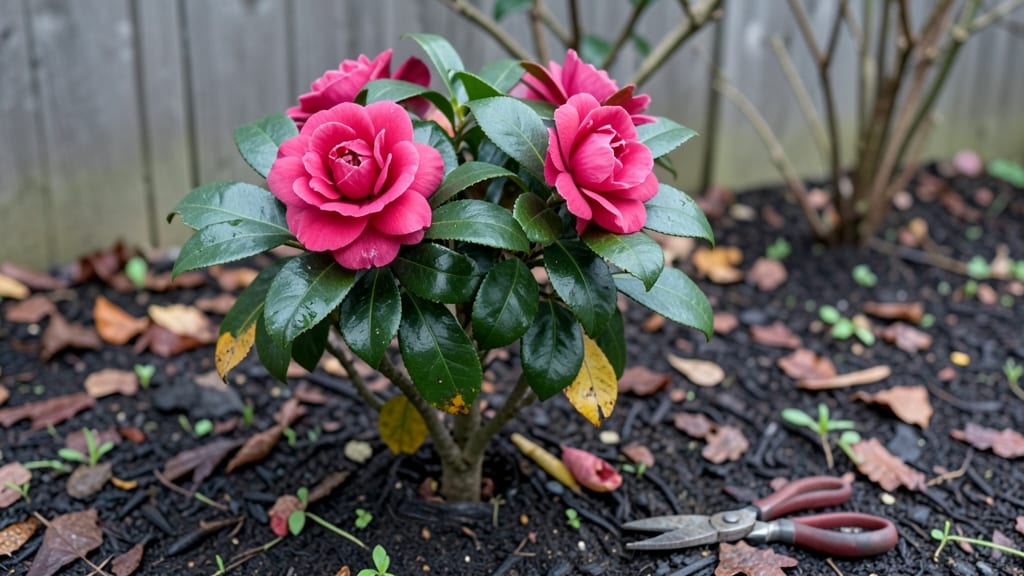
Pruning Japonica plants transforms them from scraggly bushes into lush, blooming showstoppers. ✨ I’ve watched my Camellia japonica go from a tangled mess to a year-round flower factory after mastering just three simple cuts—each timed perfectly for maximum impact.
The key isn’t just when you prune, but how you shape the plant to encourage thick growth and bigger blooms.
Most gardeners overthink this, but you only need three tools: sharp bypass pruners, rubbing alcohol (to sterilize cuts), and a sketch of your plant’s natural shape. Start by removing dead or crossing branches first—this isn’t optional.
Then focus on thinning out crowded stems to let light and air reach the center, where those glossy leaves and buds hide. The goal is to create an open, vase-like structure that supports heavy blooms without snapping.
Timing makes all the difference: prune right after flowering (late spring for most Japonicas) to avoid cutting off next year’s buds.
You’ll see new shoots emerge within 2-3 weeks, and by next season, your plant will be packed with thicker foliage and larger blooms—the kind that make neighbors ask, “What’s your secret?” The best part?
Proper pruning extends your plant’s life by decades, turning a $50 shrub into a $500 heirloom.
This works for all Japonica varieties, from Camellias to Gardenias, and adapts easily to container-grown plants. The only rule? Never prune in fall—you’ll risk frost damage to fresh cuts. Now grab those shears and let’s get to work!
Root Causes Of Overgrowth
When your Japonica plant (like Camellia japonica or Hydrangea macrophylla) starts looking unruly, it’s often due to natural growth patterns or mismanagement. Understanding the why behind overgrowth helps you prune smarter and keep your plant thriving.
Let’s break down the key reasons your Japonica may need a trim—so you can act fast and keep those blooms lush.
Some Japonica varieties are hardwired to grow aggressively. For example:
- Camellia japonica: Naturally produces long, leggy stems if not pruned regularly. Its thick, woody branches can sprawl if left unchecked, especially in warm climates.
- Hydrangea macrophylla (Bigleaf Hydrangea): Forms dense clusters of blooms but sends out suckers (shoots from the base) that compete for nutrients, leading to a messy, overcrowded look.
- Azalea (Rhododendron simsii): A close Japonica cousin that blooms on new wood—meaning it grows rapidly in spring/summer, requiring frequent pruning to maintain shape.
Why it matters: If you’re growing a fast-growing variety, pruning is not optional—it’s essential to prevent woody, sparse growth. Without intervention, the plant’s energy shifts from blooms to excessive foliage.
Pruning at the wrong time can trigger a growth spurt that spirals out of control. Japonica plants have specific bloom cycles, and cutting too late or too early sends mixed signals:
| Mistake | What Happens | Fix It By |
|---|---|---|
| Pruning after blooms (e.g., cutting back hydrangeas in summer) | Stimulates new, non-flowering growth | Prune right after flowering (for spring bloomers) or in late winter (for fall/winter bloomers). |
| Heavy pruning in fall or winter (when growth is dormant) | Delays spring blooms and encourages suckering (basal shoots) the next season. | Do a light shaping cut in late winter; save heavy pruning for immediately after flowering. |
| Skipping year-round maintenance (only pruning once a year) | Allows deadheading neglect, leading to seed pods and leggy stems. | Deadhead spent blooms monthly and trim back by ⅓ after each flush of flowers. |
Pro Tip: 🌡️ Use a growth chart for your specific Japonica variety—some (like Camellia sasanqua) bloom in fall/winter and need opposite timing from spring hydrangeas!
Too much of a good thing can backfire. Japonica plants thrive on balanced nutrients, but over-fertilizing—especially with high nitrogen—triggers:
- Leafy growth at the expense of blooms: Nitrogen fuels foliage, not flowers. A plant overfed with 10-10-10 or lawn fertilizer will produce lush green stems but few (or tiny) blooms.
- Weak, floppy stems: Excess nutrients lead to rapid, unstructured growth that can’t support heavy flower heads (common in hydrangeas).
- Root burn: Over-fertilizing stresses roots, making the plant susceptible to pests (like spider mites) that further weaken it.
Actionable Fix:
- Switch to a low-nitrogen, high-phosphorus fertilizer (like 5-10-5) during bloom season.
- Prune over-fertilized growth aggressively in early spring to redirect energy to flower buds.
- Test your soil! A pH of 5.5–6.5 is ideal for Japonica—too alkaline (high pH) locks out nutrients, mimicking nutrient deficiency.
Hidden threats like aphids, scale insects, or fungal diseases (e.g., powdery mildew) sap your plant’s energy, leading to:
- Stunted growth: Pests like spider mites drain sap, causing leaves to curl and stems to grow weak and elongated.
- Deadheading failure: Fungal infections (common in humid climates) prevent buds from opening, making the plant look bushy but barren.
- Sucker proliferation: Stressed plants produce basal shoots (suckers) to compensate for lost energy, creating a wild, unkempt appearance.
How to Spot It:
- Check for sticky residue (aphids), white webbing (spider mites), or black sooty mold (fungus).
- Prune infected branches first, then treat with neem oil or copper fungicide.
- Too much shade: Leads to long, leggy stems as the plant stretches for light (a phenomenon called etiolation).
- Inconsistent watering: Drought stress causes rapid regrowth when water returns, leading to uneven, weak stems.
- Wind exposure: Can stunt one side of the plant, causing it to grow lopsided and prone to breakage.
- Temperature swings: Late frost or sudden heat waves shock the plant, leading to aborted flower buds and excessive vegetative growth.
- Move plants to partial shade (4–6 hours of sun) if they’re stretching.
- Use mulch to regulate soil moisture and protect roots from temperature extremes.
- Prune wind-damaged branches in late winter to restore balance.
- If your Japonica looks skeletal or has sparse foliage, it’s likely over-pruned. Stop cutting back immediately to allow recovery.
- Apply a balanced fertilizer (10-10-10) to support new growth. Water deeply but avoid soggy soil.
- If possible, mulch around the base to retain moisture and reduce stress.
- New shoots should emerge within 4-6 weeks. If not, check for pests or disease (see next section).
- Pests? Look for sticky residue (aphids), webbing (spider mites), or chewed leaves.
- Disease? Check for white powder (mildew) or dark spots on leaves.
- Prune only healthy growth in the future. Disinfect tools with rubbing alcohol between cuts.
- Prune during dry weather to reduce fungal risks.
- Avoid overhead watering—water at the base instead.
- Inspect regularly: Catch issues early before they spread.
- Use hand pruners to trim just above a leaf node (where leaves grow) to encourage bushiness.
- For a rounded shape, cut outer branches to redirect growth inward.
- If your Japonica is leggy, it may need more sunlight (6+ hours daily). Trim nearby trees/shrubs blocking light.
- Fertilize lightly with low-nitrogen, high-phosphorus (e.g., 5-10-10) to boost blooms.
- Never cut into woody stems—this kills branches. Always leave some green growth to regenerate.
- Prune regularly (every 4-6 weeks in growing season) for gradual shaping.
- Pinch back tips in early summer to encourage branching.
- Rotate the plant occasionally for even sunlight exposure.
- If branches look blackened or mushy, cut them back to healthy green tissue.
- Mulch heavily (3-4 inches) around the base to insulate roots.
- In early spring, apply a slow-release fertilizer to revive the plant.
- If growth is slow, avoid heavy pruning until new shoots appear.
- Finish pruning by early fall (before first frost) for spring-bloomers.
- Cover young plants with burlap in harsh winters.
- Choose cold-hardy varieties (e.g., Hydrangea paniculata) if you live in Zone 5 or colder.
- 🔪 Tool Check: Always sterilize pruners with rubbing alcohol to prevent disease spread.
- 📅 Timing Matters: Spring-bloomers = prune after flowers fade; fall-bloomers = prune late winter.
- 🌿 Thin Out, Don’t Just Trim: Remove crossing branches and dead wood to improve airflow.
- 🌡️ Watch the Weather: Prune on a dry, overcast day to reduce stress on the plant.
Pro Tip: ✨ Preventative pruning helps! Thin out crowded branches in early spring to improve air circulation and reduce disease risk.
Japonica plants are sensitive to their surroundings, and extreme conditions can trigger chaotic growth:
Quick Adjustments:
Fixing Common Pruning Mistakes
Pruning your Japonica plant can feel like solving a puzzle—one wrong move, and your shrub loses its shape, blooms, or even health. But don’t worry! Most issues have simple fixes, and with the right approach, you’ll have a lush, vibrant plant year-round.
Below, we’ll tackle the most common problems with practical solutions and prevention tips to keep your Japonica thriving.
Cause: Cutting too aggressively (more than ⅓ of the plant at once) or pruning at the wrong time (late winter or early spring for blooming varieties).
How to Fix It: 🔪 Step 1: Assess the Damage
🌱 Step 2: Encourage Regrowth
🌡️ Step 3: Wait and Observe
💡 Prevention Tips: - Prune in stages: Never remove more than ⅓ of the plant in one session. - Time it right: For spring-blooming Japonicas, prune right after flowering (late spring/early summer).
For fall-bloomers, prune in late winter. - Use sharp tools: Ragged cuts slow recovery—always use clean, sharp pruners.
Cause: Open wounds from pruning invite pests (aphids, spider mites) or fungal infections (powdery mildew, leaf spot).
How to Fix It: 🛡️ Step 1: Identify the Problem
🧼 Step 2: Treat Immediately - For pests: Spray with neem oil or insecticidal soap.
Repeat every 5-7 days for 2 weeks. - For disease: Remove infected leaves and apply copper fungicide or a baking soda spray (1 tsp baking soda + 1 quart water + a drop of dish soap).
🌿 Step 3: Strengthen the Plant
💡 Prevention Tips:
Cause: Uneven pruning, lack of sunlight, or pruning too high (cutting into old wood).
How to Fix It: 🎨 Step 1: Shape It Up
🌞 Step 2: Improve Light Exposure
⏰ Step 3: Prune at the Right Height
💡 Prevention Tips:
Cause: Pruning too late in the season (fall/winter) exposes tender growth to cold, leading to dieback.
How to Fix It: 🔥 Step 1: Protect Damaged Areas
🌱 Step 2: Stimulate Spring Growth
💡 Prevention Tips:
With these fixes, your Japonica will bounce back stronger—and you’ll avoid future pruning pitfalls. Happy trimming! 🌸✂️
Frequently asked questions about Japonica plant care
When is the best time to prune my Japonica shrub?
For spring-blooming varieties like Camellia japonica, prune immediately after flowers fade (late spring). Fall-bloomers need pruning in late winter before buds swell. Always avoid heavy cuts in fall—this risks frost damage to fresh growth. A light shaping trim in winter is fine, but save major pruning for post-bloom seasons.
How much should I trim back my Japonica plant?
Never remove more than one-third of the plant in a single session. For shaping, trim back by ⅓ to ½ of last year's growth. Focus on removing dead wood, crossing branches, and stems growing inward. This opens the center for better air circulation and encourages bushier growth with larger blooms next season.
Can I prune my Japonica plant in summer?
Light summer pruning is fine for maintenance (removing dead blooms or damaged stems), but avoid heavy cuts. Summer growth is when flower buds form for next year. If you must prune, do it early in the season and never cut more than 10-15% of the plant. Always use sterilized tools to prevent disease spread during warm, humid months.
Why does my Japonica plant keep growing leggy stems?
Leggy growth usually means your plant needs more light (6+ hours daily) or is over-fertilized with nitrogen. Thin out crowded branches to improve airflow, and move it to a sunnier spot if possible. For existing leggy stems, cut them back to a strong side branch or leaf node—this encourages bushier regrowth. Use a balanced fertilizer (like 5-10-5) to promote blooms over foliage.
How do I know if I've pruned my Japonica too much?
Signs of over-pruning include sparse foliage, bare stems, and slow recovery after cutting. If your plant looks skeletal or produces few leaves 4-6 weeks after pruning, you've likely removed too much. Stop pruning immediately and focus on care: water deeply, apply a balanced fertilizer, and mulch to reduce stress. New growth should appear within 2-3 weeks if the plant is healthy.