
Container Gardens
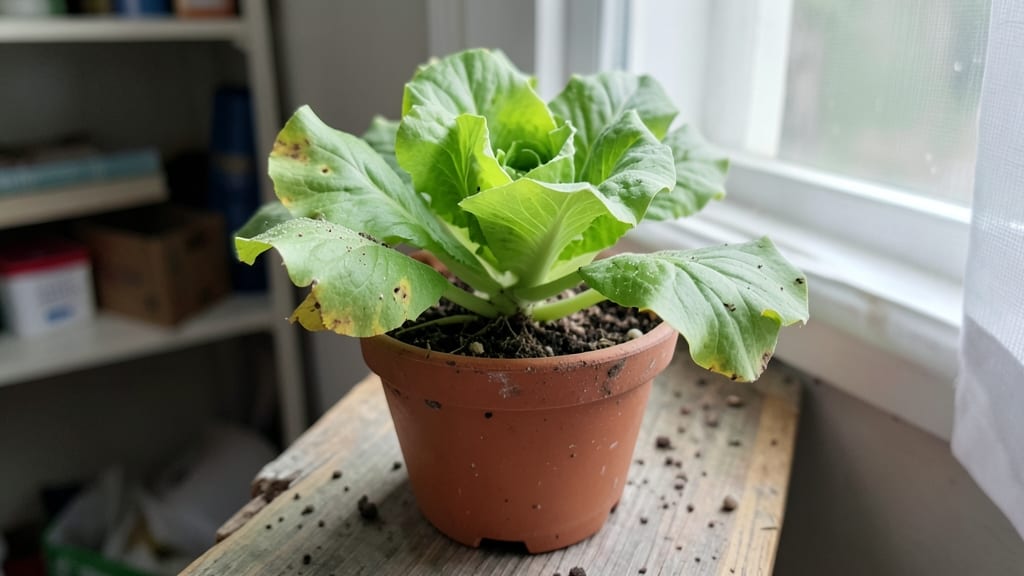
Growing indoor plants food like fresh basil, mint, and parsley is easier than you think—no greenhouse or fancy setup required. 🌱 I’ve turned my kitchen windowsill into a mini herb garden that delivers in just 3-4 weeks.
The key is picking the right plants and matching them to the light you already have.
Start with herbs like basil, cilantro, or chives—they’re the fastest growers and thrive in small pots. A sunny windowsill or a basic LED grow light (around $20) is all you need for light, while regular potting mix and a spray bottle handle watering.
Most people overwater, so let the top inch of soil dry out between waterings to avoid root rot.
By week 4, you’ll be snipping fresh leaves for sandwiches, salads, or teas. These herbs stay productive for months if you prune them regularly, and the aroma alone makes the kitchen feel like a little green paradise. The best part? No pests, no weeds, and no need to step outside.
Works for apartments, offices, or even dark corners—just adjust the light and watering. Here’s how to get your first harvest without the guesswork.
📚 In This Guide
- What you need
- Instructions
- Tips and common mistakes
- Wrapping up and next steps
What you need
- ● Edible herb seeds or seedlings: Basil (3-5 seeds or 1 seedling)
- ● Mint (2-3 seeds or 1 seedling)
- ● Chives (1-2 seeds or 1 seedling)
- ● Parsley (3-4 seeds or 1 seedling)
- ● Cilantro (2-3 seeds or 1 seedling)
- ● Containers: 4-6 small pots (4-6 inches deep) with drainage holes (or a single large tray with individual cells)
- ● Potting mix: 2-3 cups of well-draining, organic soil mix (avoid garden soil—it’s too dense!)
- ● Watering can or spray bottle (with a fine mist setting for seedlings)
- ● Grow lights or a sunny windowsill: 6+ hours of bright, indirect light daily (south- or west-facing windows are ideal)
- ○ Fertilizer: Balanced liquid fertilizer (e.g., 10-10-10) (optional but recommended for faster growth)
- ● Self-watering planters (to reduce maintenance)
- ● Herb-specific fertilizer (like fish emulsion for a nutrient boost)
- ● Humidity dome or plastic wrap (to retain moisture while germinating)
- ● Small hand trowel (for gentle soil adjustments)
- ● Labels or markers (to track which herb is which!)
Step-by-Step instructions for growing fast indoor herbs
Here’s how to grow four edible herbs indoors in just a few weeks—no green thumb required.
🌱 Step 1: Choose Your Fast-Growing Herbs and Containers
Pick four herbs from the list: basil, parsley, chives, or mint—all grow quickly indoors. Use the 4-inch pots from your supplies; they’re perfect for single plants and easy to move around for light. Fill each pot with 1 gallon of potting mix per herb, leaving ½ inch of space at the top.
Press the soil down gently so it’s firm but still crumbly. This prevents air pockets that can suffocate roots. I like to tap the pot on the table once to settle everything evenly—it makes a satisfying thunk when done right.
💧 Step 2: Plant Seeds or Transplants and Water Gently
For seeds, follow the packet’s depth (usually ¼ inch deep). If using transplants, dig a hole the same size as the root ball, place the plant in, and fill the gap with soil. Tap the pot lightly to remove air pockets around the roots.
Water immediately after planting—use a spray bottle for seeds to avoid washing them away. You’ll know it’s right when the soil looks damp but not soggy. Overwatering now will drown the seeds or rot the roots before they even start growing.
☀️ Step 3: Place in Bright, Indirect Light
Set the pots on a south-facing windowsill or under a grow light for 12-14 hours daily. Herbs like basil and parsley need plenty of light to grow fast, so rotate the pots ¼ turn every few days—this keeps them from leaning toward the sun.
Watch for leggy growth (long, thin stems with sparse leaves). If you see this, move the plants closer to the light. Strong growth means deep green leaves and compact stems—exactly what you want for fast, flavorful harvests.
⏰ Step 4: Maintain Moisture and Fertilize Weekly
Water when the top inch of soil feels dry—stick your finger in to check. Overwatering is the #1 killer of indoor herbs, so always use pots with drainage holes. Add ½ teaspoon of liquid fertilizer to each pot’s water every 7-10 days to speed up growth.
You’ll notice new leaves appearing in 2-3 weeks. That’s your sign the herbs are thriving! Snip leaves as needed—basil and parsley love being trimmed, and it encourages bushier growth. Just don’t take more than ⅓ of the plant at once.
Tips & tricks for perfect indoor herb growth
Growing edible herbs indoors doesn't have to be complicated—these simple tricks will help you grow lush, flavorful herbs in just a few weeks.
Light is Everything: The 12-14 hours of daily light in Step 3 is non-negotiable for fast growth. If your south-facing window doesn't get enough sunlight, supplement with a grow light just 6 inches above the plants. I've seen herbs grow 30% faster with this simple addition—just make sure it's on a timer to maintain that 12-14 hour cycle.
Soil Preparation Matters: Don't just scoop that 1 gallon of potting mix into your 4-inch pots! Mix in a handful of perlite or vermiculite to improve drainage. This prevents waterlogging, which is especially important for herbs like basil that hate soggy roots. I like to use about 10% perlite by volume—just enough to keep things airy.
Watering Wisdom: The finger-in-the-soil test from Step 4 works, but here's a pro tip: Use your finger to press down about 1 inch into the soil. If it feels dry at that depth, it's time to water. For seeds, I've found that misting with a spray bottle twice daily for the first 3 days after planting helps maintain consistent moisture without overwatering.
Fertilizer Frequency: That ½ teaspoon of liquid fertilizer every 7-10 days is perfect, but here's how to make it work better: Mix it with room-temperature water first—cold water can shock the plants. Also, I've noticed herbs respond best when fertilized right after watering, giving them immediate access to nutrients through the damp soil.
Pro Tips for Indoor Plants Food
- Growing edible herbs indoors doesn't have to be complicated—these simple tricks will help you grow lush, flavorful herbs in just a few weeks.
- Light is Everything: The 12-14 hours of daily light in Step 3 is non-negotiable for fast growth.
- Soil Preparation Matters: Don't just scoop that 1 gallon of potting mix into your 4-inch pots!
Frequently asked questions
Can I really eat herbs grown indoors?
Many herbs like basil, mint, and parsley thrive indoors and are completely safe to eat. Just ensure they’re grown in organic, pesticide-free soil and avoid using chemical fertilizers. Always wash leaves thoroughly before using them in cooking or teas.
How long does it take for indoor herbs to become edible?
Most herbs grow surprisingly fast! Basil and cilantro can be harvested in 3–4 weeks, while mint and parsley take about 6–8 weeks to reach peak flavor. Regular pruning (snipping leaves) encourages bushier growth and faster regrowth.
What’s the best light source for indoor edible plants?
Herbs need 6–8 hours of bright light daily. A south-facing window works, but if natural light is limited, use a grow light (LED or fluorescent) 4–6 inches above the plants. Avoid dim corners—they’ll stretch and lose flavor.
Can I grow any vegetables indoors?
While herbs are the easiest, you can also grow leafy greens (lettuce, spinach), microgreens, or dwarf tomatoes indoors with the right setup. Use shallow containers, nutrient-rich soil, and strong grow lights for best results. Start with fast-growing varieties!
What should I do if my indoor herbs get pests?
Don’t panic! Common pests like spider mites or aphids can be tackled with neem oil, insecticidal soap, or a strong spray of water. Isolate affected plants, wipe leaves with a damp cloth, and improve airflow to prevent future infestations.
Do indoor herbs need fertilizer?
Not always! Over-fertilizing can harm them. Use a balanced, water-soluble fertilizer (like 10-10-10) every 4–6 weeks during growing season. For organic options, try compost tea or fish emulsion. Always dilute to half-strength!
Wrapping up and next steps
Growing your own indoor edible herbs isn’t just rewarding—it’s delicious and empowering! 🌱 With just a few basics like sunlight, soil, and patience, you can transform your space into a mini kitchen garden.
Whether you’re a beginner or a seasoned plant parent, these fast-growing herbs will add fresh flavor to your meals and boost your confidence in green thumbs.
Ready to take the next step? Start small—pick one herb to grow this week, and soon you’ll be harvesting homegrown basil for pesto or mint for mojitos. Your future self (and taste buds) will thank you! 🌿✨