
Planting
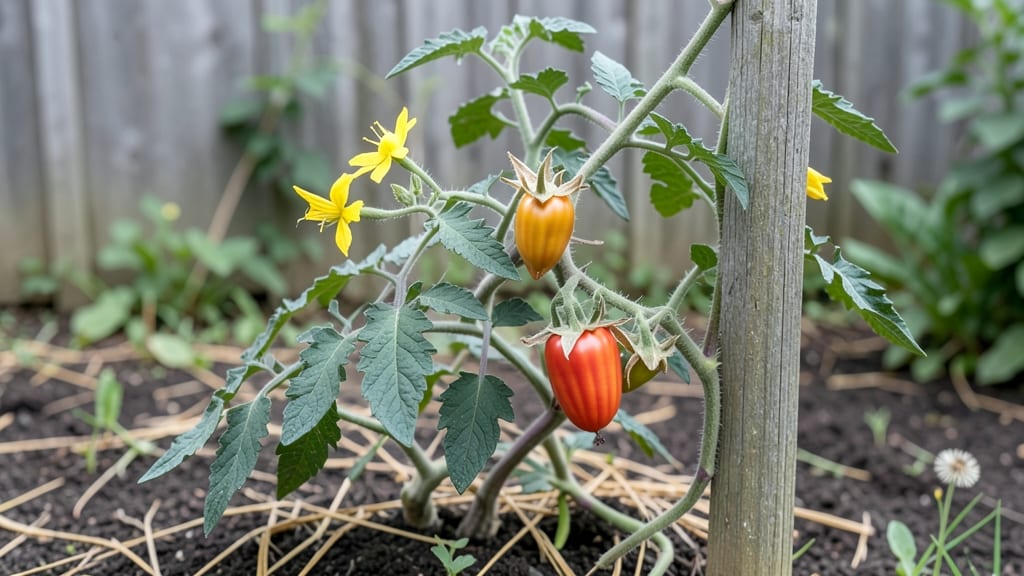
The husk tomato plant delivers a harvest unlike any other—tiny, tangy fruits wrapped in edible paper-thin husks that taste like a cross between tomato and citrus. 🌱 I grew mine last summer, and by August, my vines were heavy with fruit, ready to be tucked into tacos or simmered into sauces.
The secret isn’t just the plant itself—it’s how you coax it into producing that first flush of fruit early and keep it going until frost.
These plants thrive in warm climates but can also stretch your harvest into fall with a little planning. Start with well-draining soil, full sun, and consistent moisture—no soggy roots, no drought stress.
A 5-gallon container works for one plant, or let them sprawl in the garden where they’ll reach 3-4 feet wide. The key is patience: it takes about 90 days from seed to fruit, but once they get going, they’re impossible to kill.
You’ll know you’re doing it right when the first papery husks form around those golf-ball-sized tomatoes. The flavor? Bright, slightly tart, and addictive—perfect for salsas, jams, or eating straight off the vine.
And here’s the best part: these plants keep producing until frost, so you’ll have a steady supply all season long. Let’s get those seeds started!
Works in containers, raised beds, or in-ground gardens—just adjust your spacing and support for sprawling vines. Whether you’re a first-timer or a seasoned grower, husk tomatoes bring excitement back to the garden. Ready to try them?
📚 In This Guide
- What you need
- Instructions
- Tips and common mistakes
- Wrapping up and next steps
What you need
- ● Husk tomato seeds or seedlings: 3–5 plants (start indoors 8–10 weeks before last frost or buy healthy transplants).
- ● Well-draining potting mix: 5–10 gallons (look for a blend labeled for vegetables or container gardening).
- ● Containers or garden bed: For containers: 5–7 gallon pots (one per plant) with drainage holes.
- ● For in-ground: Full sun (6+ hours daily) and loose, fertile soil (amend with compost if needed).
- ● Fertilizer: Balanced organic fertilizer (10-10-10 or compost tea) or slow-release granules.
- ● Support system: Small stakes (1–2 ft tall) or cages (3–4 ft diameter) to train vines.
- ● Watering can or hose with gentle nozzle: Aim for 1–1.5 inches of water per week (adjust for climate).
- ● Pruning shears: Sharp, clean pair for trimming leggy growth or dead foliage.
- ● Mulch (straw or shredded leaves) to retain moisture and suppress weeds.
- ● Cactus soil mix (for drought-prone varieties or container growers).
- ● Drip irrigation kit for automated watering.
- ● Grow lights (if starting seeds indoors before spring).
- ● Epsom salt (1 tbsp per gallon of water monthly) for magnesium boost.
Step-by-step instructions for growing husk tomatoes like a pro
Here’s how I transform leggy, sparse husk tomato vines into bushy, fruit-loaded powerhouses—no black magic, just smart care.
🌱 Step 1: Start with Strong Seedlings or Transplants
Husk tomatoes thrive when you begin with healthy starts. If growing from seed, sow indoors 6-8 weeks before your last frost date in 2-3 inch pots filled with sterile seed-starting mix. Keep soil consistently moist at 70-75°F until germination, which takes 7-14 days. If buying transplants, choose 4-6 inch tall plants with thick stems—avoid spindly ones with yellow leaves.
Here’s the thing—husks need strong roots to support their weight. Before transplanting outdoors, harden off seedlings for 10-14 days by gradually exposing them to outdoor conditions. Start with 1-2 hours in shade, then increase daily. Watch for wilting or leaf drop—if it happens, they’re not ready yet.
☀️ Step 2: Plant in Full Sun with Rich, Well-Draining Soil
Choose a spot with 6-8 hours of direct sun—husks produce fewer fruits in shade. Amend your soil with 2-3 inches of compost and a handful of balanced fertilizer (10-10-10) per plant. Husk tomatoes hate soggy roots, so if your soil drains poorly, mix in 1-2 inches of perlite or coarse sand to improve aeration.
Plant seedlings 18-24 inches apart in rows spaced 2-3 feet apart. Dig a hole twice as wide as the root ball to encourage outward growth. Gently loosen roots before placing in the hole—this prevents circling, which stunts vines. Water deeply right after planting to settle soil around roots.
💧 Step 3: Water Deeply and Prune for Bushiness
Husk tomatoes need 1-1.5 inches of water per week, delivered at the base—not overhead. Water in the morning to let foliage dry before evening, which prevents fungal diseases. Let the top inch of soil dry between waterings; husks are drought-tolerant but produce better with consistent moisture.
Pruning is key to bushy growth. Pinch off the first few sets of leaves just above a leaf node to encourage branching. Remove any suckers (side shoots between main stem and branches) to redirect energy to fruit production. You’ll see thicker stems and more blossoms within 3-4 weeks of regular pruning.
✂️ Step 4: Fertilize and Support for Heavy Fruit Loads
Feed plants every 4-6 weeks with a low-nitrogen fertilizer (5-10-10) to boost flowering and fruiting. Stop fertilizing 4-6 weeks before first frost—new growth won’t harden off in time. Husk tomatoes produce 1-2 pound fruits, so support vines with sturdy cages or stakes at planting. If using cages, choose 5-6 foot tall ones—husks can grow 4-6 feet tall with proper care.
Watch for yellowing leaves—this often means overwatering or nutrient burn. If it happens, flush the soil with water and reduce fertilizer strength next time. A mulch layer (2-3 inches) of straw or shredded leaves keeps roots cool and retains moisture, reducing your watering workload.
🌿 Step 5: Harvest and Extend the Season
Husk tomatoes ripen 70-80 days after transplanting, but timing varies by variety. Harvest when fruits turn deep red or orange and feel slightly soft to the touch. Cut stems with scissors or pruners to avoid damaging the vine. Store unwashed husks in the fridge for up to 2 weeks—their papery skin protects the fruit inside.
To extend harvests, prune lightly in early fall to encourage new growth. Bring potted plants indoors to a cool (50-60°F) but bright spot before frost. With proper care, you can coax a second flush of fruits in late fall or even winter. Just reduce watering slightly—husks go dormant in cold months but bounce back when temperatures rise again.
Tips & tricks for perfect husk tomato growth
These simple strategies will help you transform leggy husk tomato plants into thriving, fruit-heavy vines that keep producing well into fall.
Seed Starting Secret: When sowing indoors for those 6-8 weeks before last frost, use clear plastic domes or seal pots with plastic wrap to maintain the 70-75°F soil temperature. This speeds germination from 7-14 days to as little as 5-7 days—just remove the cover once sprouts appear. I've found that consistent warmth at this stage makes all the difference for sturdy seedlings.
Transplanting Technique: The 10-14 day hardening off period is crucial, but don't rush it. Start with just 1-2 hours of shade exposure and gradually increase by 1 hour daily. I've seen too many seedlings shocked by sudden sun—look for leaves that stay firm and green, not wilted or yellowing. This gradual process builds resilience for your plants' outdoor transition.
Pruning Payoff: When you pinch those first few sets of leaves just above a leaf node in Step 3, aim for the top third of the plant initially. This creates that bushy framework we want. After 3-4 weeks of regular pruning, you'll notice thicker stems and more blossoms—it's like watching a plant get a makeover! Remember to always use clean, sharp pruners to prevent disease transmission between cuts.
Fertilizer Timing: The 4-6 week feeding schedule with low-nitrogen fertilizer (5-10-10) is perfect, but here's the thing: switch to a high-phosphorus fertilizer (10-20-10) when you see flowers forming. This phosphorus boost helps develop stronger roots for those 1-2 pound fruits you're growing. Just be sure to stop fertilizing 4-6 weeks before first frost to let the plants harden off properly.
Pro Tips for Husk Tomato Plant
- These simple strategies will help you transform leggy husk tomato plants into thriving, fruit-heavy vines that keep producing well into fall.
- Seed Starting Secret: When sowing indoors for those 6-8 weeks before last frost, use clear plastic domes or seal pots with plastic wrap to maintain the 70-75°F soil temperature.
- Transplanting Technique: The 10-14 day hardening off period is crucial, but don't rush it.
Frequently asked questions
Got questions about growing husk tomatoes?
You’re not alone! Here are answers to the most common queries to help you cultivate thriving vines and maximize your harvest.
How long does it take for a husk tomato plant to produce fruit?
A husk tomato plant typically takes 60–90 days from transplanting to produce fruit, depending on your climate and growing conditions. In warmer regions, you might see early blooms in 45–60 days. Patience is key—consistent watering and sunlight (6+ hours daily) speed up fruiting. Pro tip: Prune early suckers to redirect energy to fruit production!
Can I grow husk tomatoes in containers? If so, what size pot do I need?
Husk tomatoes thrive in containers, making them perfect for patios or small spaces. Use a pot at least 12–18 inches deep with drainage holes to accommodate their sprawling roots. A 5-gallon bucket works well for one plant. Ensure the pot has support for vines (like a trellis or cage) to prevent sprawling. Bonus: Container-grown plants often ripen faster due to warmer root zones!
Are husk tomatoes frost-tolerant? How do I protect them in cold weather?
Husk tomatoes are not frost-tolerant—they’ll die if exposed to temps below 32°F (0°C). In cold climates, grow them as annuals or start seeds indoors 6–8 weeks before the last frost. For overwintering in mild zones, move potted plants to a sunny, sheltered spot (like a garage with sunlight) and reduce watering. Quick fix: Cover plants with frost cloth if a light freeze is forecast!
How do husk tomatoes taste? Can I substitute them for regular tomatoes in recipes?
Husk tomatoes have a sweet, tangy flavor with a texture between a tomato and a pepper—less watery than slicing tomatoes! They’re great raw in salads, roasted, or used in sauces (their skin adds a fun crunch). While they can replace regular tomatoes in most recipes, their unique taste shines in salsas, stir-fries, or pickled dishes. Try this: Blend them into a smoky BBQ sauce for a gourmet twist!
What pests commonly attack husk tomato plants, and how do I prevent them?
Husk tomatoes are prone to aphids, whiteflies, and hornworms. Prevent pests with:
- Neem oil spray (weekly preventative)
- Row covers for early-season protection
- Handpick hornworms (they’re camouflaged—look for black stripes!)
- Encourage beneficial insects like ladybugs or lacewings
Yellow sticky traps can also help monitor and reduce whitefly populations. Early action: Catching issues at the first sign saves your harvest!
Wrapping up and next steps
Growing a husk tomato plant is a rewarding journey that brings vibrant color, unique flavors, and year-round harvests to your garden! With the right soil, sunlight, and care, you’ll soon be enjoying Physalis fruits that are as beautiful as they are delicious.
Whether you’re a seasoned gardener or a curious beginner, these harvest hacks will help you cultivate lush, fruit-loaded vines with ease.
Now that you’re armed with tips and answers, why not take the next step? Start small—plant a few husk tomato seeds or seedlings this season and watch your garden transform!
Share your progress with fellow plant lovers, and soon, you’ll be swapping recipes or even propagating new plants to share. Happy growing! 🌱✨