
Pruning
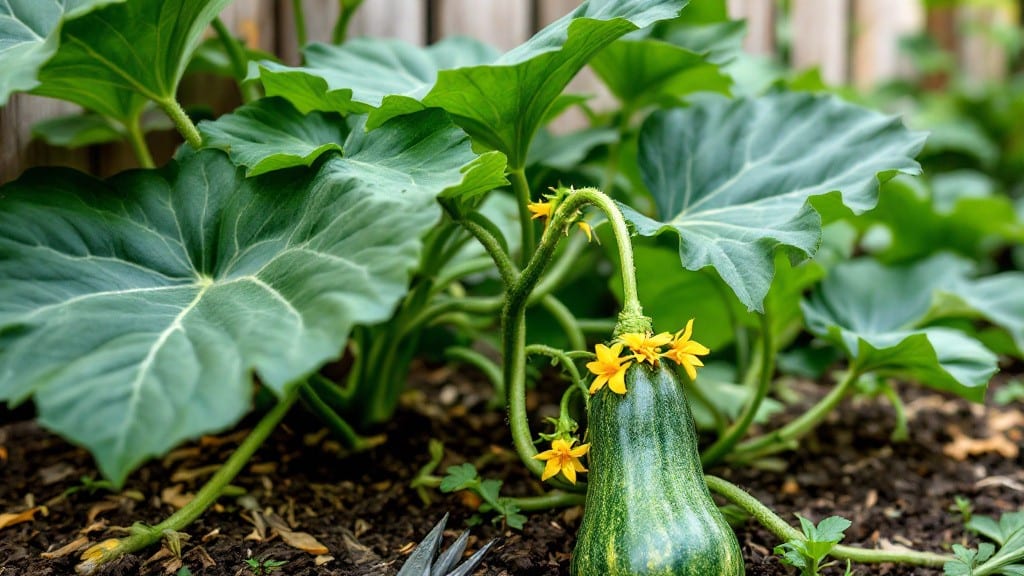
Summer squash plants reward you with more fruit when you prune them just right—three simple cuts can double your harvest if you time them correctly. 🌱 I learned this the hard way after watching my plants put all their energy into vines instead of squash, but now I prune mine every two weeks during peak growth.
The key is removing only what’s blocking sunlight or crowding the main stem, never more than a third of the plant at once.
You’ll need clean, sharp pruners (a pair of small bypass pruners works best) and about 15 minutes of focused time. Look for yellowing leaves, weak side shoots, and any growth that’s shading the main stem—those are your targets.
The goal is to keep the plant’s energy flowing to the central stem and fruit, not to thin vines that won’t produce anything worthwhile.
After pruning, your plants will bounce back in days, sending new growth toward the sun where it belongs. You’ll notice fewer crowded vines, better airflow (which cuts down on mildew), and—most exciting—a steady stream of squash instead of a few overgrown monsters.
The first harvest comes faster too, since the plant isn’t wasting energy on unnecessary foliage.
This method works for zucchini, yellow squash, and pattypan varieties alike, whether you’re growing in a raised bed or straight in the ground. Just avoid pruning during heatwaves or when fruit is already forming—timing matters just as much as which cuts you make.
📚 In This Guide
- What you need
- Instructions
- Tips and common mistakes
- Wrapping up and next steps
What you need
- ● Pruning shears or sharp scissors – Choose bypass pruners (clean cuts) or small garden shears (for thicker stems). Sanitize with rubbing alcohol before and after use to prevent disease spread. 🌱
- ● Gloves – Heavy-duty gardening gloves to protect against thorns (on some varieties) and blisters.
- ● Disinfectant solution – 1 part bleach to 9 parts water (or 70% isopropyl alcohol) to sterilize tools between cuts.
- ● Compost bin or trash bag – For disposing of pruned plant debris (avoid composting if plants show signs of disease).
- ● Watering can or hose – To hydrate plants post-pruning (aim for 1 inch of water per week).
- ● Sharp knife or saw – Only if dealing with thick, woody stems (rare in summer squash but useful for overgrown plants).
- ● Plant growth regulator – Like seaweed extract or kelp meal (1 tbsp per gallon of water) to reduce stress after pruning.
- ● Mulch (straw or shredded leaves) – To retain moisture and protect roots post-pruning.
- ● Labeling tags – If pruning multiple varieties, mark plants to track progress.
- ● Knee pad or stool – For comfort if squash plants are tall or in hard-to-reach areas.
Step-by-Step instructions for pruning summer squash plants
Here's how I transform wild, sprawling squash vines into productive, high-yielding plants with just three simple cuts.
✂️ Step 1: Remove Suckers at the Base
Start by identifying the main stem—the thick, central vine that grows directly from the plant's base. Look for smaller shoots growing from the base of the plant or from the main stem's leaf axils (the area where leaves meet the stem). These are called suckers, and they steal energy from your main plant.
Use clean, sharp pruning shears to snip suckers at the base, just above the leaf axil. I always remove them early in the morning when the plant is turgid with water, making cuts cleaner. The goal is to keep only the strongest, most vigorous main stem growing upward. You'll see fewer but larger, healthier fruits as a result.
✂️ Step 2: Trim Excess Leaves on the Main Stem
Focus on the main stem and remove any leaves that are shading the lower part of the plant. Aim to keep the lower 12-18 inches of the stem free of dense foliage. This ensures sunlight reaches the fruit and reduces humidity, which prevents fungal diseases like powdery mildew.
Cut leaves that are yellowing or diseased completely off at the base. For healthy leaves, trim them back to about half their size if they're blocking light to the fruit. You'll notice the remaining leaves will grow larger and more productive as they receive more sunlight.
✂️ Step 3: Prune Overly Long Vines to Encourage Bushier Growth
Once the main stem reaches about 3-4 feet tall, start pruning the tips of the vines to encourage branching. Cut the growing tips of the main stem and any side branches back by about 6-8 inches. This signals the plant to produce more lateral shoots, which will bear more fruit.
I like to do this in stages—prune once when the plant is young, then again when it's about halfway through its growing season. Avoid pruning too late in the season, as the plant needs time to recover and produce fruit from the new growth. Watch for new shoots emerging from the leaf axils after pruning—these are your future fruit-bearing branches.
⏰ Step 4: Maintain Regular Pruning Throughout the Season
Check your squash plants weekly for new suckers and overgrowth. Remove any suckers that appear along the main stem or side branches immediately. The key is consistency—regular pruning keeps the plant focused on producing fruit rather than spreading out.
After each harvest, give the plant a quick once-over. Trim any dead or diseased leaves and prune back any vines that are growing away from the main plant. You'll see a noticeable difference in fruit size and quantity within a few weeks of consistent pruning.
🌿 Step 5: Clean Up at Season's End
When the first frost threatens or your squash plants stop producing, it's time for a final cleanup. Cut back the entire plant to about 6 inches tall, removing all vines and leaves. This makes it easier to compost or dispose of plant debris and reduces overwintering pests.
I always leave the roots in the ground if I plan to grow squash again next year, as they'll break down naturally. If you're rotating crops, remove the entire plant and roots to prevent soil-borne diseases from carrying over. Your garden will thank you next season with healthier, more productive plants.
Tips & tricks for pruning summer squash plants
These little adjustments make all the difference between a sprawling mess and a productive, fruit-loaded plant.
Timing Tip: Early morning is your best friend for pruning—squash plants are most turgid (full of water) then, making cuts cleaner and reducing stress on the plant. If you must prune later in the day, do it in the late afternoon to give the plant time to recover before nightfall. I've learned this the hard way after seeing plants wilt dramatically from afternoon pruning.
Tool Tip: Use clean, sharp pruning shears—not dull garden shears! Dull blades crush stems instead of making clean cuts, which can introduce disease. I keep a small bottle of rubbing alcohol handy to wipe down my shears between cuts on different plants. For small suckers, you can pinch them off with your fingers if you don't have shears handy.
Visual Cue: When pruning in Step 3 to encourage bushier growth, look for the first set of true leaves (not the seed leaves) to identify where to cut. Aim to remove the growing tip just above a leaf axil where new branches will emerge. You'll know you're doing it right when you see new shoots appearing within a week—these are your future fruit-bearing branches.
Seasonal Strategy: For Step 4's weekly maintenance, I keep a small notepad by my garden gate to track when I last pruned each plant. This helps me stay consistent without over-pruning. Remember that summer squash plants are sensitive to late-season pruning—stop at least 4-6 weeks before your first frost to allow new growth time to mature and produce fruit.
Pro Tips for Prune Summer Squash Plants
- These little adjustments make all the difference between a sprawling mess and a productive, fruit-loaded plant.
- Timing Tip: Early morning is your best friend for pruning—squash plants are most turgid (full of water) then, making cuts cleaner and reducing stress on the plant.
- Tool Tip: Use clean, sharp pruning shears—not dull garden shears!
Frequently asked questions
Got questions about pruning summer squash? You’re not alone—this step can feel tricky at first! Below, we’ve rounded up the most common queries to help you prune like a pro and keep your plants thriving.
When is the best time to prune summer squash?
Prune your summer squash plants early and often—start when they’re 3–4 weeks old and have 4–6 true leaves. Focus on removing the first few flowers and excess side shoots to redirect energy to fruit production. Avoid heavy pruning later in the season, as it can stress the plant.
Should I prune summer squash at all? Won’t it hurt the plant?
Pruning isn’t just helpful—it’s essential for bush varieties (like zucchini) to prevent overcrowding and disease. Vining types (like yellow squash) benefit too, but focus on removing only the suckers (shoots in the leaf axils) to avoid stunting growth. Think of it like giving your plant a haircut for better airflow and bigger yields!
What if I prune too much? Can I fix an over-pruned squash plant?
If you’ve gone overboard, don’t panic! Summer squash are resilient. Stop pruning immediately and let the plant recover. Focus on watering deeply and fertilizing lightly (with compost or balanced fertilizer) to encourage regrowth. Over-pruned plants may produce fewer fruits, but they’ll bounce back—just slow down next time!
Does pruning work for all types of summer squash?
Yes, but with a twist! Bush varieties (like zucchini) need aggressive early pruning to control sprawl, while vining types (like yellow squash) only need suckers removed. Hybrid or heirloom plants might have specific needs—check seed packets for guidance. The key is consistency over perfection!
What should I do with the pruned-off parts?
Don’t toss those clippings! Use them to mulch the base of the plant (keep stems 1–2 inches above soil to prevent rot) or compost them. If they’re disease-free, you can even regrow roots by placing cuttings in water—though squash isn’t as reliable as herbs for this trick.
Wrapping up and next steps
Pruning summer squash plants is a simple yet powerful way to boost your harvest and keep your garden thriving! 🌱 By focusing on removing suckers, thinning vines, and trimming overgrowth, you’ll encourage healthier growth and more abundant fruit.
With just a few strategic cuts, you’re well on your way to a bountiful season—so grab those shears and get pruning!
Ready to take it further? Try experimenting with different pruning techniques or share your progress with fellow gardeners for tips and inspiration. Happy growing! 🌿