
How To
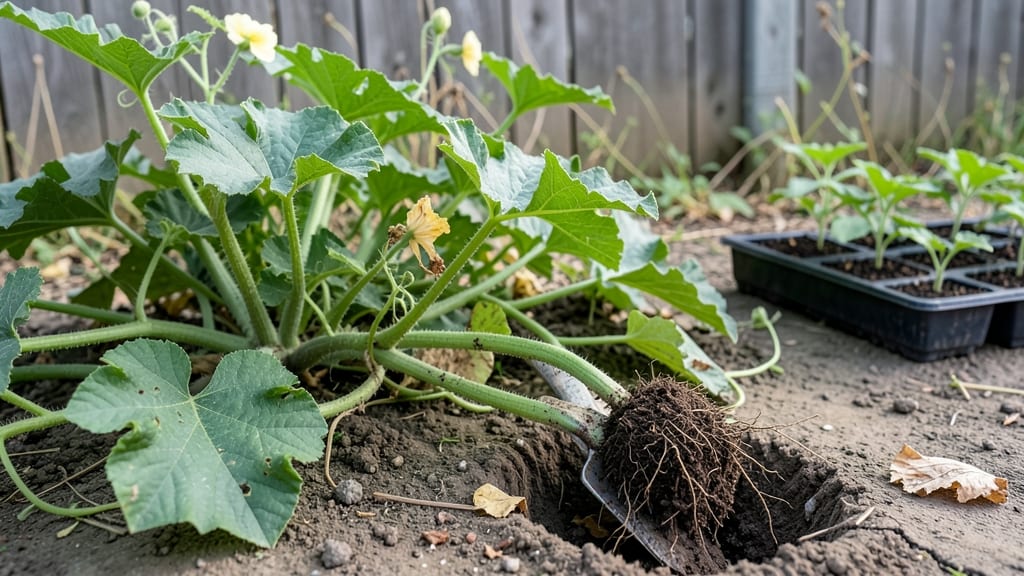
Planting watermelon seeds the right distance apart is the secret to juicy, sprawling vines and heavy fruit—not just a few sad melons.
Get it wrong, and you’ll end up with stunted plants fighting for space or wasted rows where nothing grows. The perfect spacing keeps your 🍉 thriving while making the most of your garden’s real estate, whether you’re working with a backyard plot or containers.
In Zone 6a, where summers are hot but growing seasons are short, spacing matters even more. Too close, and your plants compete for sunlight and nutrients; too far, and you miss out on the maximum harvest your space allows.
Below, I’ll break down the exact measurements for vining vs. bush types, how to adjust for containers or trellises, and the early signs you’ve got it wrong—so you can fix it before it’s too late.
Optimal watermelon seed spacing by variety type: vining vs. bush types
Watermelons thrive when given the right amount of space to spread their vigorous vines and develop large, healthy fruit. The spacing you choose depends entirely on the variety type—whether you're growing standard vining watermelons or compact bush varieties.
Getting this wrong can mean smaller yields or even disease-prone plants due to poor airflow.
For vining watermelons, which are the most common types like 'Sugar Baby' or 'Crimson Sweet', you’ll want to give each plant room to stretch out. These varieties can spread 15-20 feet or more, so spacing them too closely leads to overlapping vines and competing resources.
Meanwhile, bush varieties like 'Black Diamond' or 'Sugar Bush' stay more contained, making them ideal for smaller gardens or containers.
Here’s the key difference: vining types need 18-36 inches between plants, while bush types can handle 12-24 inches. But spacing isn’t just about the distance between plants—row spacing matters just as much.
Too narrow, and your plants will shade each other; too wide, and you’ll waste garden real estate.
Row spacing for watermelons should be 5-7 feet apart, regardless of variety. This ensures adequate sunlight reaches all plants and allows for easy weeding and maintenance.
If you’re short on space, consider trellising vining varieties to grow them vertically, but even then, you’ll need to adjust spacing to prevent vine congestion.
Let’s break down the exact spacing guidelines for each type in this comparison table to help you plan your garden layout with precision.
🌱 Pro Tip: Always plant seeds 1 inch deep and 2-3 inches apart initially. Once seedlings are 2-3 inches tall, thin them to your target spacing to avoid overcrowding from the start.
🌿 Why It Matters: Proper spacing reduces disease risk (like powdery mildew), improves fruit quality, and maximizes your harvest yield. Skipping this step could mean sacrificing 20-30% of your potential crop.
Now that you’ve got the spacing down, let’s talk about how to adjust for your specific garden setup. If you’re growing watermelons in containers, you’ll need to limit yourself to one bush variety per 5-gallon pot or a dwarf vining type with a trellis.
Raised beds allow for slightly closer spacing—12 inches apart in rows 4 feet apart—but you’ll need to stagger plants to optimize sunlight.
For trellised vining watermelons, space plants 18 inches apart along the trellis, but ensure the trellis is at least 6 feet tall to support their weight.
This method saves space but requires regular pruning to prevent vines from overcrowding the structure. Always use strong, UV-stabilized netting or a metal trellis to avoid breakage.
One common mistake is assuming that more plants equal more fruit. In reality, overcrowding leads to smaller, lower-quality watermelons and increases the risk of pests and diseases. If you’re short on space, prioritize b
How to adjust spacing for different garden conditions: containers, raised beds, and trellises
When your garden space is limited or you're working with containers, raised beds, or trellises, standard watermelon spacing rules don't apply. Each growing condition requires unique adjustments to ensure your vines thrive without competing for resources.
The key is balancing root spread, fruit development, and air circulation—especially in small spaces where overcrowding happens fast.
For example, a 5-gallon container might only accommodate one watermelon plant, while a 4x8-foot raised bed could fit 4-6 plants if you use staggered rows. Trellising, on the other hand, lets you grow multiple plants vertically in the same footprint as a single sprawling vine.
Let’s break down the best approaches for each scenario to maximize your harvest in any space.
Watermelon Spacing Guide by Garden Condition
- Containers (5-gallon pots): 1 plant per pot. Use bush varieties like 'Sugar Baby' (3-5 ft vines) and place pots in full sun. Ensure pots have drainage holes and use lightweight potting mix to avoid root stress.
- Raised Beds (4x8 ft): 12-18 inches apart in staggered rows, with 5-6 feet between rows. For example, plant 4 seeds in a 2x2 grid in one corner, then offset the next row by 12 inches. This creates a checkerboard pattern for better airflow.
- Trellises (Vertical Growth): 18-24 inches apart horizontally, but train vines to climb 6-8 feet vertically. Use strong trellis netting or a A-frame structure to support 30-50 lb fruits. Prune side shoots to direct energy upward.
- Small Gardens (High-Density): Mix varieties: Plant 1 vining type (e.g., 'Charleston Gray') and 2 bush types (e.g., 'Black Diamond') in a 3x3 ft area. Thin seedlings to 1 per 18 inches once true leaves appear.
Pro Tip: Always mulch heavily (3-4 inches) to retain moisture and suppress weeds—critical in tight spaces where competition is fierce.
If you’re using containers, choose compact varieties like 'Tiny Tim' or 'Golden Midget' to avoid overpowering your pots. These dwarf types mature in 70-75 days and produce 2-3 lb fruits, perfect for small spaces.
Just remember: even in containers, root balls expand, so avoid planting more than one vine per pot unless you’re using very large containers (15+ gallons).
For raised beds, the trick is staggered planting. Instead of planting seeds in straight lines, create a zigzag pattern to maximize space. This method also improves sunlight penetration to the soil, reducing the risk of powdery mildew—a common issue in crowded beds.
Pair this with drip irrigation to deliver water directly to the roots without wetting the foliage.
When trellising, focus on vertical growth to save ground space. Start training vines early by gently weaving them through the trellis as they grow. Use soft ties (like old T-shirts) to avoid damaging the tender stems.
Prune aggressively to remove lateral shoots that compete with the main vine, directing energy toward fruit production instead of excess foliage.
In small gardens, combine vertical and horizontal strategies. For example, dedicate one corner to a trellised vine and another to a bush variety in a container. This way, you get the best of both worlds: space-saving vertical growth and compact, high-yield plants.
Just monitor your plants closely for signs of stress or disease, which can spread faster in tight quarters.