
Plants
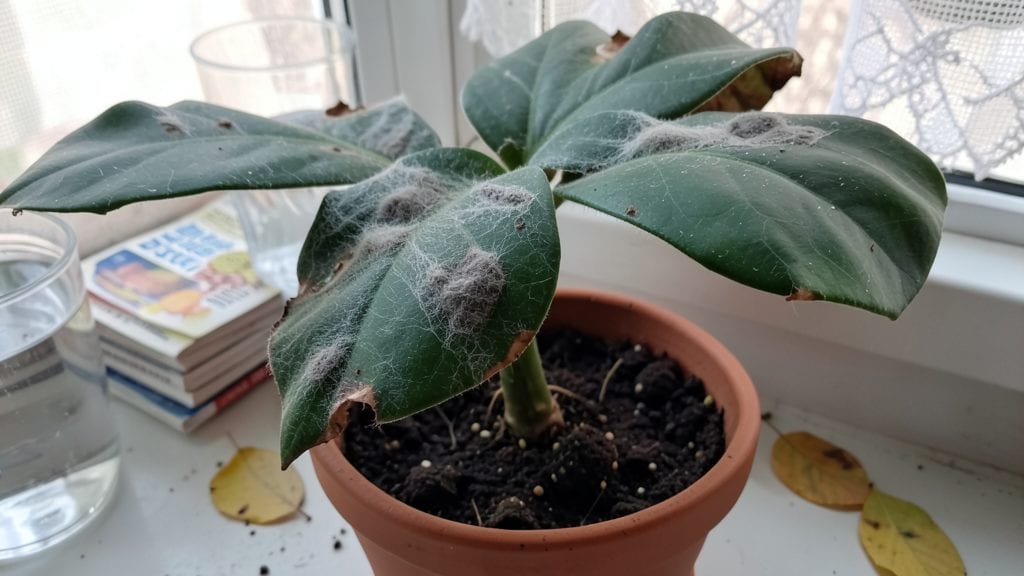
House plant fungus can turn your lush green friends into sad, droopy messes faster than you'd think. 🌱 I've seen powdery mildew turn a thriving monstera into a white powderball within weeks, and root rot silently destroy a prized fiddle-leaf fig from the roots up.
The good news? You can spot it early and stop it before your plants throw in the towel.
Fungus thrives when plants get too wet, the air feels like a sauna, or airflow is worse than a stuffy room. Powdery mildew looks like dusting flour on leaves, black spot creates dark splotches that spread like wildfire, and root rot turns stems mushy when you pull them gently.
The key is catching it before it spreads to other plants—because once it does, you're fighting a losing battle.
You'll learn how to identify each type by its sneaky symptoms, which organic sprays work best (like neem oil or baking soda mix), and when to pull out the big guns—like fungicides—for stubborn cases.
The goal? Save your plants without sacrificing their health or your sanity. Trust me, your future self will thank you when you spot that first suspicious spot.
We'll also cover plant-specific tips—some love humidity, others hate it—and how to adjust your care routine to keep fungus at bay. Think of this as your plant's emergency room guide: fast, practical, and designed to get them back to thriving in no time.
Let's get those leaves clean and growing again.
Root Causes Of Plant Fungus
Fungal infections in houseplants are rarely random—they thrive when specific conditions align like a perfect storm. Understanding the why behind these outbreaks helps you prevent them before they start. Below, we break down the most common triggers, from environmental mismatches to plant stress signals.
Fungi love moisture, and overwatering turns your potting mix into a damp, nutrient-rich breeding ground. Here’s how it happens:
- Poor Drainage: Pots without drainage holes trap excess water, suffocating roots and creating anaerobic (oxygen-free) zones where fungi like Phytophthora and Pythium flourish.
These pathogens thrive in soggy soil, attacking roots first before spreading to leaves. - Waterlogged Roots: When roots sit in standing water for days, they weaken and exude sugars, which fungi feast on like a gourmet meal.
This is why you might see black, mushy roots even before leaf symptoms appear. - Humidity Spikes: Overwatering increases humidity around the plant, especially in enclosed spaces. Fungal spores (like those from Botrytis cinerea, the cause of gray mold) germinate faster in high-moisture air.
Actionable Fix: ✅ Test soil moisture with your finger—if the top 1–2 inches are damp, wait before watering. ✅ Use terracotta pots (they dry out faster) or add perlite/pumice to improve drainage. ✅ Bottom-water plants (place the pot in a tray of water for 10–15 mins) to encourage even moisture without drowning roots.
Stagnant air is a fungus’s best friend. Without circulation, spores linger near leaves, increasing infection risk. Common culprits:
- Crowded Plants: Placing houseplants too close together traps humidity and blocks airflow. Fungi like Alternaria (which causes brown spots) spread easily in these conditions. - Enclosed Spaces: Bathrooms, kitchens, or glass terrariums can create microclimates with 90%+ humidity—ideal for fungal growth.
Even a single infected leaf can contaminate nearby plants. - Dust Buildup: A thin layer of dust on leaves traps moisture, creating a damp film where spores land and germinate. This is why some plants develop powdery mildew (from Erysiphe fungi) in low-light areas.
Actionable Fix: ✅ Space plants 2–3 inches apart and use a small fan (on low) near them to improve airflow. ✅ Wipe leaves every 2 weeks with a damp microfiber cloth to remove dust. ✅ Avoid glass containers unless they have ventilation—opt for breathable fabric grow bags instead.
Fungi exploit weak plants. Sudden temperature drops or drafts shock houseplants, lowering their defenses. Here’s the science:
- Cold Drafts: Placing plants near AC vents, drafty windows, or doors causes thermal shock, weakening cell walls.
Fungi like Fusarium (which causes wilt) infiltrate through these compromised tissues. - Hot-Cold Cycles: Moving plants between sunny windowsills and cold floors confuses their metabolism, making them more susceptible to infections.
For example, Rhizoctonia (a soil-borne fungus) attacks stressed roots more aggressively. - Nighttime Chill: Many fungi (like Botrytis) are thermophilic, meaning they grow faster in cooler nighttime temps. If your home drops below 60°F (15°C) at night, fungal spores activate.
Actionable Fix: ✅ Keep plants in stable zones—avoid placing them near doors, vents, or heating ducts. ✅ Use a thermometer to monitor temperature swings; aim for 65–75°F (18–24°C) during the day and no lower than 55°F (13°C) at night. ✅ Rotate plants seasonally to ensure even light exposure and avoid stress spots.
Any break in a plant’s skin—whether from pests, pruning, or physical damage—creates an open door for fungi. Common entry points:
- Pest Damage: Spider mites, aphids, and thrips chew leaves, leaving tiny wounds. Fungi like Colletotrichum (which causes anthracnose) enter through these holes, causing dark, sunken lesions. - Rough Handling: Dropping a plant or brushing against leaves can abrade the cuticle (the plant’s protective layer).
This is why you might see fungal spots along leaf edges after transport or repotting. - Improper Pruning: Using dull scissors or cutting too close to the stem leaves jagged edges, which fungi exploit. Phomopsis (a common pruning wound pathogen) thrives in these conditions.
Actionable Fix: ✅ Inspect plants weekly for pests and treat infestations before fungi move in (neem oil works for both). ✅ Sanitize pruning tools with rubbing alcohol between cuts to prevent fungal transfer. ✅ Avoid touching leaves when handling plants—use gloves or grip the stem instead.
Even the healthiest plant can fall victim to fungal hitchhikers from poor practices:
- Old or Unsterilized Soil: Potting mix can harbor dormant fungal spores for years.
If the bag was stored in damp conditions, pathogens like Thielaviopsis (which causes black root rot) may already be present. - Reusing Containers: Fungi like Sclerotium (which causes southern blight) can survive in soil for months.
Even after cleaning, spores may linger in grooves or cracks. - Shared Tools: Using the same shears, trowel, or watering can for multiple plants transfers spores. This is how Fusarium wilt spreads from one infected plant to another.
Actionable Fix: ✅ Sterilize soil by baking it at 200°F (93°C) for 30 minutes or using hydrogen peroxide (3%) to kill spores. ✅ Wash pots with bleach solution (1:10 ratio) and rinse thoroughly before reuse. ✅ Designate tools per plant or disinfect them with rubbing alcohol after each use.
Quick Fixes for Fungal Woes
Fungal infections in houseplants can feel like a losing battle, but with the right moves, you can turn things around—fast. Below, we’ve mapped out direct solutions for common fungal issues, paired with prevention tips to keep your green babies thriving. Think of this as your plant’s emergency first aid kit!
Cause: Overwatering or poor soil drainage traps excess moisture, inviting fungal growth like Phytophthora or Pythium at the roots.
Fix It:
- 🔥 Emergency Dump & Dry
- Remove the plant from its pot and rinse the roots gently with water to dislodge soil.
- Trim mushy, black, or discolored roots with sterilized scissors (dip in rubbing alcohol).
- Let the roots air-dry for 1–2 hours before repotting.
- 🍳 Repot with Fungal-Fighting Soil
- Use a well-draining mix (add perlite, orchid bark, or coconut coir).
- Skip the bottom layer of soil—place the plant on a thin layer of gravel in the pot to improve drainage.
- Water sparingly for 2 weeks post-repot.
Prevent It:
- ✨ Test the soil with your finger: If the top 2 inches are damp, wait before watering.
- 🌡️ Upgrade your pots: Terracotta pots wick away moisture better than plastic.
- 💡 Use a moisture meter for fussy plants like ferns or calatheas.
Cause: High humidity + poor airflow lets Erysiphe or Podosphaera fungi thrive, coating leaves in white powder.
Fix It:
- 👨🍳 Isolate & Wipe Down
- Move the plant to a bright, breezy spot (but avoid direct sun, which stresses leaves).
- Use a soft cloth dipped in soapy water (1 tsp mild dish soap + 1 quart water) to gently scrub affected leaves.
- 🥘 Fungal Spray Blitz
- Mix 1 tsp baking soda + 1 quart water + a drop of dish soap (optional: add 1 tsp neem oil).
- Spray undersides of leaves (where spores hide) every 3–4 days until gone.
Prevent It:
- 🌬️ Boost airflow: Space plants 6+ inches apart; use a small fan on low.
- 🎯 Rotate plants weekly so all sides get even light.
- 🔥 Avoid overhead watering—use a watering wand or bottom-watering tray.
Cause: Bacteria (Xanthomonas) or fungi (Alternaria) create dark, water-soaked spots, often from splashing water or humidity.
Fix It:
- ⏰ Prune the Problem
- Cut off spotted leaves/stems with sterilized scissors, leaving a small healthy section.
- Dip cuts in cinnamon powder (natural antifungal) or hydrogen peroxide (3%) for 10 seconds.
- 🔪 Sterilize Tools & Surfaces
- Wipe down leaves with 70% isopropyl alcohol (diluted to 30% for sensitive plants).
- Clean pots and trays with bleach water (1:10 ratio) before reuse.
Prevent It:
- 💡 Water at the base—never from above.
- 🌡️ Increase airflow near clusters (e.g., open windows, use a fan).
- 🌱 Quarantine new plants for 2 weeks to spot issues early.
Cause: Fungal infections like Fusarium or Verticillium attack vascular tissue, cutting off water flow.
Fix It:
- 🚨 Emergency Care
- Do NOT water—this worsens root rot.
- Check roots: If they’re mushy, follow the root rot fix above. If firm but brown, the fungus may be systemic.
- 🌱 Propagate healthy cuttings from unaffected stems (if possible).
- 🌿 Systemic Treatment (Last Resort)
- For severe cases, soak roots in fungicide (e.g., Serenade Garden or copper fungicide) for 10 minutes before repotting.
Prevent It:
- 🔥 Sterilize soil by baking it at 200°F (93°C) for 30 minutes or using hydrogen peroxide (3%) to drench soil before planting.
- 🌡️ Avoid stress: Keep temps stable (most fungi love 70–80°F) and reduce fertilizer—too much feeds pests that spread fungus.
💡 Pro Tip: When in doubt, snap a photo and compare it to this fungal ID guide. Early action = happier plants!
⚠️ Warning: If your plant is completely mushy, black, or smells rotten, it may be too far gone. Save time and energy—repot a cutting instead!
Frequently asked questions
How can I tell if my houseplant has fungus?
Look for white powdery coatings (powdery mildew), dark spots with yellow halos (black spot), or mushy stems/roots (root rot). Fungal growth often starts on undersides of leaves or near soil. Check for fuzzy gray patches (Botrytis) or blackened veins (vascular infections) too.
Is my plant salvageable if it has fungus?
Early-stage infections can often be treated with proper care—prune affected areas, improve airflow, and apply organic sprays like neem oil. For root rot or systemic infections, you may need to propagate healthy cuttings. Severe cases might require repotting with sterilized soil.
Will my other plants catch the fungus if I don't treat it?
Yes, fungal spores spread easily through water, air, and tools. Isolate infected plants immediately and clean surfaces with a bleach solution (1:10 ratio). Quarantine new plants for 2 weeks to prevent cross-contamination.
Can I use household items to treat plant fungus?
Mix 1 tsp baking soda + 1 quart water + a drop of dish soap for a mild antifungal spray. Hydrogen peroxide (3%) or diluted rubbing alcohol (30%) also work well. For stubborn cases, cinnamon powder acts as a natural antifungal when sprinkled on cuts.
How often should I check my plants for fungus?
Inspect your plants weekly, especially after watering or during humid months. Focus on leaf undersides, stems, and soil surface. Early detection gives you the best chance to treat infections before they spread.