
Companion Plants
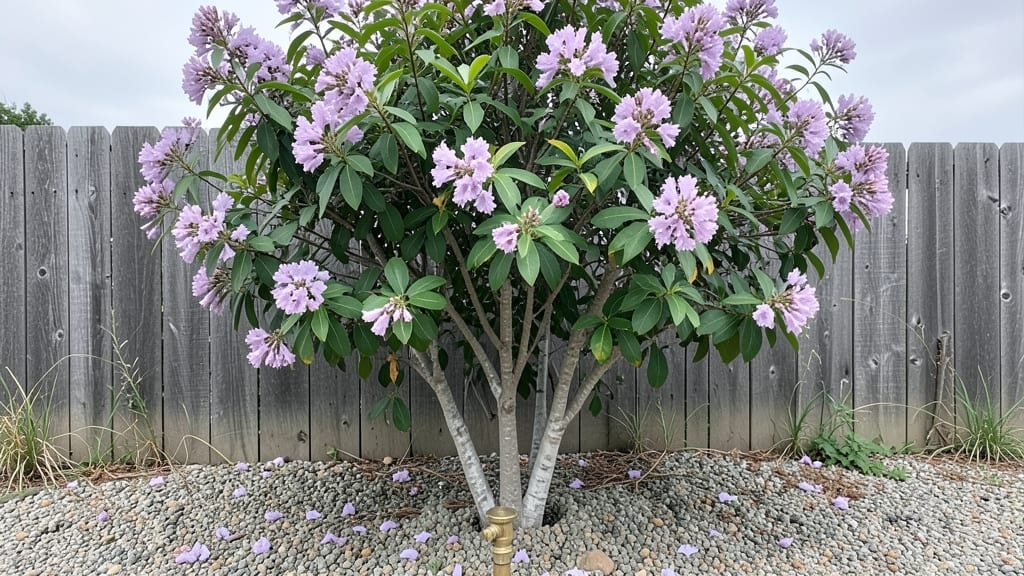
Hot climate plants aren't just survivors—they're showstoppers that turn blazing summers into lush, vibrant displays. 🌵 I planted a mix of desert shrubs and succulents last year, and they not only lived through 100°F days but thrived, with some even flowering through the heat.
The secret lies in choosing plants that match your region's intensity, whether it's the Mediterranean's dry heat or the desert's relentless sun.
You'll need well-draining soil—think coarse sand or gravel mixed with native soil—to prevent roots from baking. Most of these plants hate soggy feet, so raised beds or mounds work wonders. Watering's simple: deep soaks every 2-3 weeks once established, and mulch to lock in moisture.
My agave and yucca now need almost no care after the first year, and they've become the backbone of my low-water garden.
By summer's end, you'll have a garden that stays green when others wilt, with textures ranging from silvery-blue foliage to deep red blooms. The best part? These plants attract pollinators even in the heat, turning your yard into a buzzing, thriving ecosystem.
Let's pick the perfect plants for your specific climate zone next.
Whether you're in the Southwest, Southern California, or the Deep South, the right species will transform your sunbaked space into a resilient, drought-smart paradise. Some of my top performers include desert marigold, Mexican feather grass, and the ever-reliable 'Blue Chalksticks' senna—all of which handle heat like champions.
📚 In This Guide
- What you need
- Instructions
- Tips and common mistakes
- Wrapping up and next steps
What you need
- ● Drought-resistant plants: 1–3 Agave (e.g., Agave americana or Agave parryi)
- ● 2–4 Yucca (e.g., Yucca rostrata or Yucca filamentosa)
- ● 3–5 Lavender (Lavandula angustifolia or Lavandula stoechas)
- ● 1–2 Succulents (e.g., Echeveria, Sedum, or Aloe vera)
- ● 1 Olive tree (Olea europaea) or Desert willow (Chilopsis linearis)
- ● Soil: 10–20 lbs of cactus/succulent mix or well-draining potting soil (avoid heavy clay).
- ● Mulch: 5–10 lbs of gravel, pebbles, or bark mulch (3–4 inches deep).
- ○ Containers (optional): 3–5 terracotta or fabric pots (1–2 gallons each) for smaller plants.
- ● 1 garden trowel (for planting)
- ● 1 pruning shears (for shaping and trimming)
- ● 1 watering can or drip irrigation kit (low-volume, infrequent watering)
- ● 1 gloves (to protect hands from prickly plants like Agave)
- ○ 1 pH testing kit (optional, to check soil acidity—ideal range: 6.0–7.5).
- ● Sunlight: At least 6+ hours of direct sunlight daily (most hot climate plants thrive in full sun).
- ● Water source: Access to low-pressure watering (drought-tolerant plants hate soggy roots!).
- ● Climate zone: USDA Zones 7–11 (or equivalent in other regions).
- ● Patience: Some plants (like Yucca) grow slowly—give them time! 💪
Step-by-Step guide to selecting and planting hot climate plants
Here's how to build a thriving, low-maintenance garden that survives scorching heat and drought.
🌱 Step 1: Choose the Right Drought-Resistant Varieties
Start with plants that naturally thrive in 90°F+ temperatures and minimal water. My top picks for sun-drenched gardens include agave, yucca, lavender, bougainvillea, and desert marigold. These plants store water in their leaves or stems, reducing evaporation and surviving dry spells effortlessly.
Check your local USDA hardiness zone to confirm suitability—some heat lovers like bougainvillea prefer zones 9-11, while others like lavender adapt to zones 5-9. I always verify the plant's native range; desert natives like agave won't tolerate humidity, while Mediterranean herbs like rosemary handle both heat and occasional rain.
☀️ Step 2: Prepare the Soil for Maximum Water Retention
Hot climate plants need well-draining soil to prevent root rot, but they also benefit from organic matter to hold moisture. Mix 1 part compost into the top 6 inches of native soil to improve water retention without compacting. Avoid heavy clay—it bakes hard in heat and suffocates roots.
For container gardens, use a cactus/succulent mix blended with 20% perlite to enhance drainage. I add a 1-inch layer of gravel at the bottom of pots to create an air pocket that prevents waterlogging. Mulch with 2-3 inches of coarse gravel or bark to reduce soil evaporation and keep roots cool.
💧 Step 3: Water Deeply but Infrequently
Deep watering once a week (or less) encourages roots to grow downward in search of moisture, making plants more resilient. Water in the early morning to reduce evaporation and fungal risks. You'll know you're doing it right when water penetrates 12-18 inches deep—use a moisture meter or dig down to check.
Avoid frequent shallow watering, which promotes weak, shallow roots and attracts pests. Most hot climate plants wilt slightly in the afternoon heat—that's normal! If leaves stay crisp and upright by evening, your watering is spot-on. Overwatering is the #1 killer; I always wait until the soil feels bone-dry 2 inches down before watering again.
✂️ Step 4: Prune for Heat Tolerance and Airflow
Prune dead or damaged leaves in early spring to encourage new growth and improve airflow, which reduces humidity around plants. For succulents like agave, remove only brown or mushy leaves—healthy ones store water efficiently. For flowering plants like bougainvillea, trim back overly leggy stems to promote bushier, heat-resistant growth.
Never prune during peak heat—wait until morning or late afternoon when temperatures are below 85°F. Sterilize pruners with rubbing alcohol between cuts to prevent disease spread. I also avoid heavy pruning in late summer, as new growth won't harden off before winter.
🪴 Step 5: Shield from Harsh Afternoon Sun
While most hot climate plants love sun, young plants or delicate varieties need protection from intense midday rays (11 AM–3 PM). Use 50% shade cloth or plant near structures that cast dappled shade. Mature plants like yucca can handle full sun, but their leaves may scorch if suddenly exposed after shade.
For container plants, move them to a shadier spot during extreme heat waves (above 100°F). Watch for bleached or crispy leaf edges—this is your signal to adjust shade immediately. Once established, most plants toughen up, but I still monitor for stress signs like curled leaves or excessive wilting.
Tips & tricks for perfect hot climate plant gardens
Here's what I've learned from years of growing drought-resistant plants in scorching conditions—these tricks make all the difference.
Heat Factor: When selecting plants in Step 1, focus on their natural habitat. Desert natives like agave and yucca thrive at 90°F+ and store water in their leaves, while Mediterranean herbs like lavender prefer slightly cooler evenings. I always check if the plant's native range includes areas with similar heat patterns to your garden.
Soil Prep Strategy: For Step 2, if your native soil is sandy, add an extra 1/2 part compost to help retain moisture. In heavy clay soils, blend in 30% perlite or coarse sand to improve drainage. I've found that container mixes with 20% perlite work beautifully for succulents, but for flowering plants like bougainvillea, use 15% perlite and 5% coconut coir for better moisture retention.
Watering Wisdom: In Step 3, the once-a-week watering guideline works best when temperatures stay below 95°F. During extreme heat waves (above 100°F), reduce to every 10-14 days for established plants. I test soil moisture by pushing a screwdriver 4 inches deep—if it comes out clean, it's time to water. For new plants, check every 3-4 days until they establish deep roots.
Pruning Precision: When pruning in Step 4, use clean, sharp pruners to make cuts at a 45-degree angle just above a leaf node. For bougainvillea, I cut back leggy stems to 1/3 their length to encourage bushier growth. Always sterilize your tools between plants to prevent spreading diseases that thrive in warm conditions.
Pro Tips for Hot Climate Plants
- Here's what I've learned from years of growing drought-resistant plants in scorching conditions—these tricks make all the difference.
- Heat Factor: When selecting plants in Step 1, focus on their natural habitat.
- Soil Prep Strategy: For Step 2, if your native soil is sandy, add an extra 1/2 part compost to help retain moisture.
Frequently asked questions
Got questions about thriving plants in scorching heat? You’re not alone! Here are answers to the most common queries about drought-resistant, sun-loving plants to help your garden shine—even when the mercury rises.
What are the top 5 easiest hot-climate plants for beginners?
Start with succulents (like snake plant or aloe), lavender, bougainvillea, Russian sage, and desert marigold. These require minimal water, love full sun, and handle heat like pros. Pro tip: Group them together to maximize drought resistance!
How soon can I plant these after buying them?
Plant bare-root or container-grown hot-climate plants immediately if temperatures are mild (60–80°F). For extreme heat (above 90°F), wait until evening or early morning to reduce transplant shock. Water deeply before and after planting to help roots establish faster.
Do I really need to water less with drought-resistant plants?
Yes—but not zero! Most thrive on deep, infrequent watering (every 1–2 weeks, depending on heat). Check soil moisture 2 inches down; if dry, water until it drains through. Warning: Overwatering kills them faster than drought!
What if my hot-climate plant wilts or turns yellow?
Yellow leaves often mean overwatering or poor drainage. Brown edges? Underwatering or salt buildup. Trim damaged leaves, adjust watering, and ensure pots have drainage holes. Succulents may need more sun—move them to a sunnier spot!
Are there edible drought-resistant plants for hot climates?
Try rosemary, thyme, pepper trees, okra, or prickly pear cactus (edible fruit!). These herbs and veggies love heat, need little water, and add flavor to your meals—win-win!
Can I replace a struggling hot-climate plant with something else?
If a plant is beyond saving, swap it for a similar hardy species. For example, replace a dying bougainvillea with plumbago or salvia. Always match sun exposure and soil type to avoid repeat issues. Pro tip: Mulch new plants to retain moisture!
Wrapping up and next steps
Growing plants in hot climates doesn’t have to be a challenge—it’s all about choosing the right drought-resistant thrivers! From succulents to fragrant herbs, these resilient plants not only survive but thrive under the sun’s warmth, adding beauty and function to your garden.
Whether you’re a seasoned gardener or just starting out, these hardy companions make maintenance a breeze while keeping your space lush and inviting.
Ready to transform your sunny garden? Start small—pick one or two plants from this list, experiment with pairings, and watch your space flourish! 🌵☀️ With the right care, you’ll have a vibrant, low-maintenance oasis in no time.